
Leave Your Message
Our cutting-edge 3D Advertising Lightbox systems are specifically engineered for modern shopping mall environments. By seamlessly blending high-definition commercial advertising with intuitive wayfinding, these four core product lines redefine how visitors interact with retail spaces. They not only guide foot traffic effectively but also maximize advertising revenue for mall operators.

Integrating advanced Visual Image VI/CI Design, this kiosk offers naked-eye 3D directional cues alongside creative and strategic branding solutions for high-traffic mall intersections.

Backed by professional production and state-of-the-art technology, this interactive lightbox updates paths in real-time, guiding shoppers to stores, facilities, and promotional events.

Designed for vast mall atriums. We ensure efficient global distribution and seamless on-site implementation, providing suspended 3D visuals that are visible from multiple floor levels.

A robust, dual-purpose unit offering map navigation and 3D ad space. Supported by our reliable maintenance & after-sales service to ensure long-term, uninterrupted performance.
The global retail landscape is undergoing a massive transformation. As e-commerce continues to grow, physical shopping malls are evolving into comprehensive lifestyle and experiential centers. In this context, the 3D Advertising Lightbox for Shopping Mall Wayfinding has transitioned from a mere functional necessity to a critical commercial asset.
Historically, mall navigation relied on static 2D maps and traditional backlit acrylic signs. Today, the industrial standard has aggressively shifted toward dynamic, three-dimensional digital signage. The integration of high-brightness LED matrices, lenticular lens technology, and naked-eye 3D displays allows for an unprecedented depth of field. This technological leap captures consumer attention up to 400% more effectively than traditional flat screens, making the 3D advertising lightbox a highly lucrative platform for premium brand advertising within the mall.
From a commercial perspective, deploying a 3D Advertising Lightbox serves a dual mandate. First, it solves the complex spatial navigation problems inherent in mega-malls, reducing visitor frustration and increasing dwell time. Second, it creates premium, high-conversion digital real estate. Luxury brands, automotive companies, and high-end cosmetics are increasingly willing to pay a premium for 3D advertising slots because the immersive nature of the medium leads to higher brand recall and impulse purchasing. The return on investment (ROI) for mall operators is typically realized within 12 to 18 months through ad revenue alone.
The manufacturing of these sophisticated units requires rigorous industrial standards. Modern 3D lightboxes are built using aerospace-grade aluminum alloys, tempered anti-glare glass, and advanced thermal management systems to prevent overheating during 24/7 operation. Furthermore, they must comply with strict international safety and electrical standards (such as CE, UL, and RoHS) to ensure they are safe for public deployment in high-density retail environments. The integration of smart sensors also requires robust IoT (Internet of Things) infrastructure, pushing manufacturers to blend traditional hardware engineering with advanced software development.
A shopping mall is a complex micro-city. The strategic placement and contextual application of the 3D Advertising Lightbox dictate its effectiveness. Below is a comprehensive analysis of how these systems are deployed across various critical zones within a retail complex.
The atrium is the heart of any shopping mall. Here, large-scale, suspended or monolithic floor-standing 3D lightboxes are utilized. The wayfinding component provides a 360-degree rotational 3D map, allowing visitors to orient themselves instantly. Simultaneously, the advertising space broadcasts high-impact, naked-eye 3D campaigns—such as a 3D sneaker appearing to float out of the screen—captivating shoppers ascending escalators or viewing from upper balconies.
Navigating a mall's parking garage is notoriously stressful. In this scenario, the 3D advertising lightbox is adapted for high contrast and immediate readability. Using color-coded 3D directional arrows, these lightboxes guide drivers to available VIP parking or specific mall entrances. The advertising here is typically tailored to automotive accessories, insurance, or immediate food and beverage promotions to stimulate appetite before the shopper even enters the retail floors.
In dining and entertainment sectors, the psychology of the consumer shifts. 3D lightboxes here are used to stimulate the senses. Wayfinding seamlessly directs foot traffic toward specific culinary categories (e.g., "Asian Cuisine," "Fast Food," "Fine Dining"). The 3D advertising aspect is heavily utilized by restaurants to display hyper-realistic, steaming, and rotating 3D models of their signature dishes. This visual stimulation significantly increases spontaneous dining decisions and footfall to specific vendors.
Beyond commerce, safety is paramount. Modern 3D lightboxes are integrated with the mall's central emergency management system. In the event of a fire or security threat, the advertising content is immediately overridden. The 3D display shifts to bold, universally understood 3D animations directing crowds to the nearest emergency exits, stairwells, and assembly points. Additionally, they provide dedicated, easy-to-read accessible routes for wheelchair users and visually impaired individuals, ensuring compliance with international accessibility standards.
The intersection of artificial intelligence, sustainable engineering, and spatial computing is setting the stage for the next generation of 3D Advertising Lightboxes for Shopping Mall Wayfinding. The industry is moving rapidly toward hyper-personalization and autonomous operation.
Future 3D lightboxes will not just display content; they will observe and react. Equipped with privacy-compliant optical sensors and AI algorithms, these devices will analyze the demographic makeup of the foot traffic in real-time. If a group of teenagers approaches, the lightbox might display a 3D ad for a nearby gaming arcade or sneaker drop. If a family approaches, it shifts to family-friendly dining or toy store promotions. This targeted advertising maximizes conversion rates for mall tenants.
The physical 3D lightbox will increasingly serve as a gateway to the digital world. By scanning a dynamic QR code displayed on the lightbox, shoppers will be able to transfer the 3D wayfinding map directly to their smartphones. This AR integration will project a virtual path on the user's phone screen, guiding them step-by-step to their desired store while pushing localized, proximity-based coupons to their device as they walk past participating retailers.
As global ESG (Environmental, Social, and Governance) standards tighten, the manufacturing of 3D lightboxes is embracing sustainability. Future trends include the use of recycled aluminum and biodegradable composites for the housing. More importantly, the integration of ultra-low-energy Micro-LEDs and ambient light sensors—which automatically adjust the screen's brightness based on the mall's natural lighting—will drastically reduce the carbon footprint and operational electricity costs of these massive digital networks.
Delivering high-fidelity 3D advertising lightboxes requires a manufacturer with deep industry expertise, massive production capabilities, and an uncompromising commitment to quality. Here is why we lead the global market.
 About ZZC - DingRong Group
Founded in 2011, ZZC is DingRong Group (Zhongzhicheng-ZZC) brings over 15 years of expertise in manufacturing and engineering, specializing in comprehensive sign solutions for global clients. We are a large factory with a production area of 20,000 square meters, we are a full-service sign manufacturer capable of delivering end-to-end projects for diverse industries, including retail spaces, public facilities, and gas stations.
What We Offer & Our Certifications:
Our commitment to quality and innovation is reflected in our certifications: SGS International Certification. ISO 9001, ISO 9000 (Quality Management). ISO 14001 (Environmental Management). ISO 45001 (Occupational Health and Safety). We adhere to international production standards and hold triple-system certifications for quality, environment, and occupational health.
Quality Assurance & Global Reach:
All electronic products undergo rigorous testing, including CE, UL, and RoHS certifications, and are subjected to a 48-hour 100% full-load aging test before shipment. We offer a 2-year warranty on all products, ensuring durability and customer satisfaction. Our R&D department provides robust technical support, enabling us to excel in OEM and ODM projects. With a team of skilled engineers, a responsive sales force, and competitive pricing, we serve clients across Europe, the Americas, Canada, Japan, the Middle East, and South Africa.
Explore our state-of-the-art manufacturing facilities and recent successful deployments of 3D Advertising Lightboxes for Shopping Mall Wayfinding. From precision engineering to final certified installation, our portfolio speaks for itself.
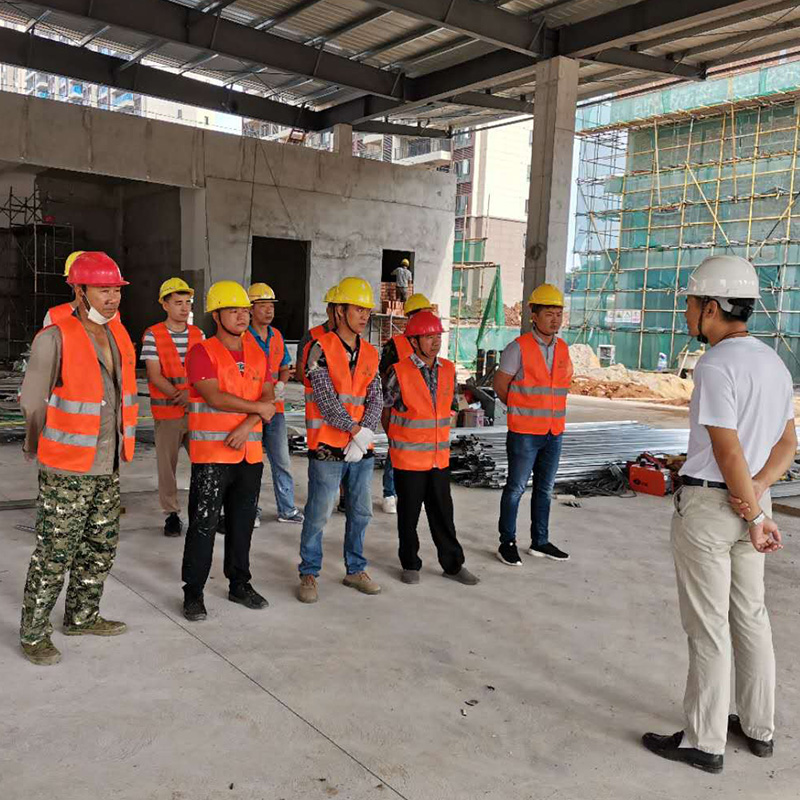
Precision manufacturing of our core wayfinding units at the ZZC facility.
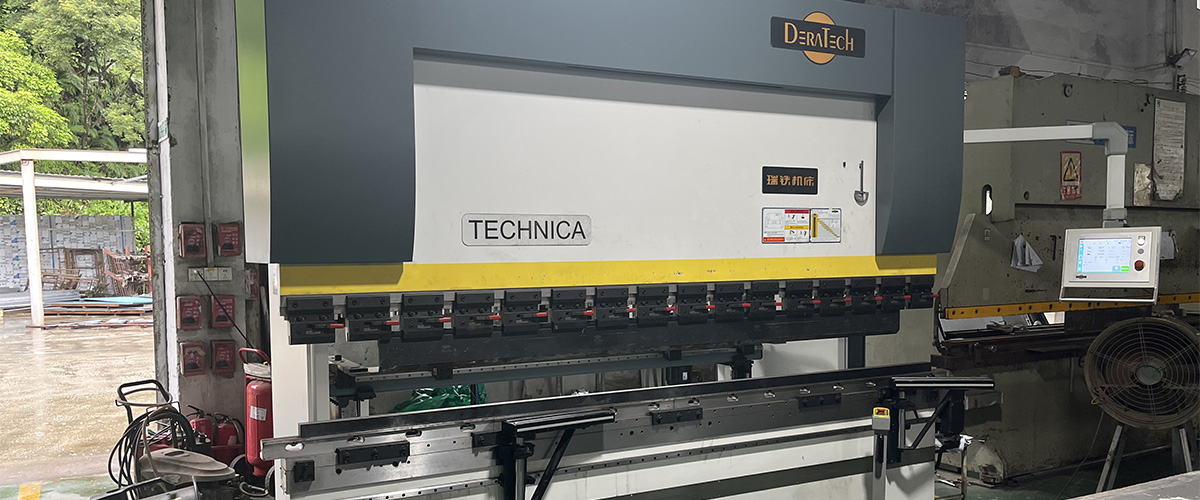
Rigorous 48-hour aging tests for 3D advertising screen components.
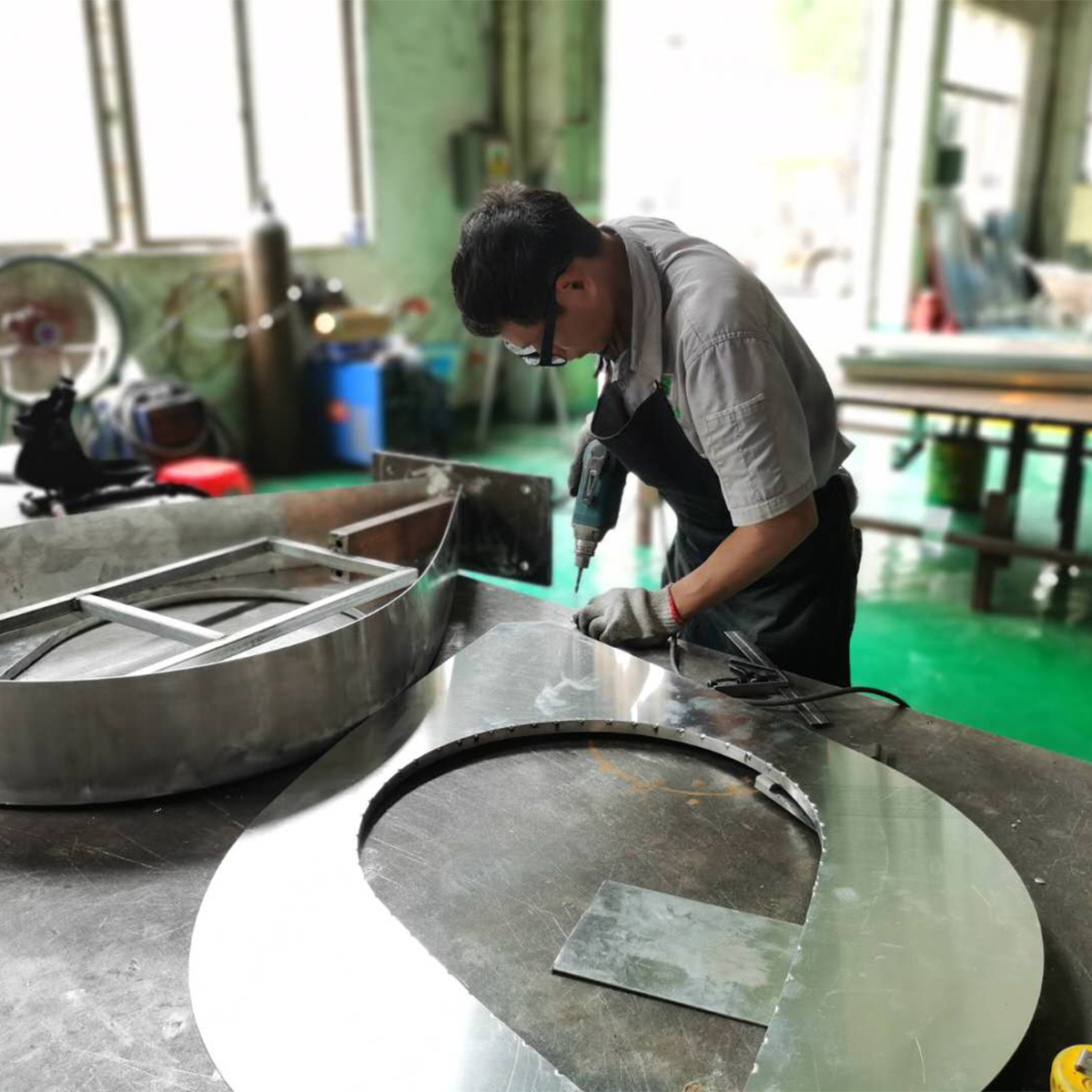
Crafting durable aluminum housings for floor-standing mall directories.
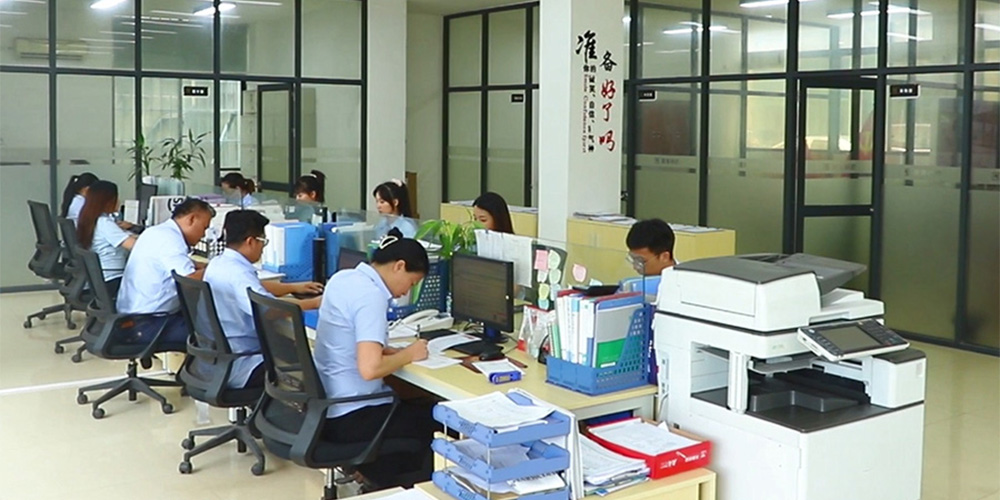
Engineers fine-tuning the touch responsiveness of wayfinding kiosks.
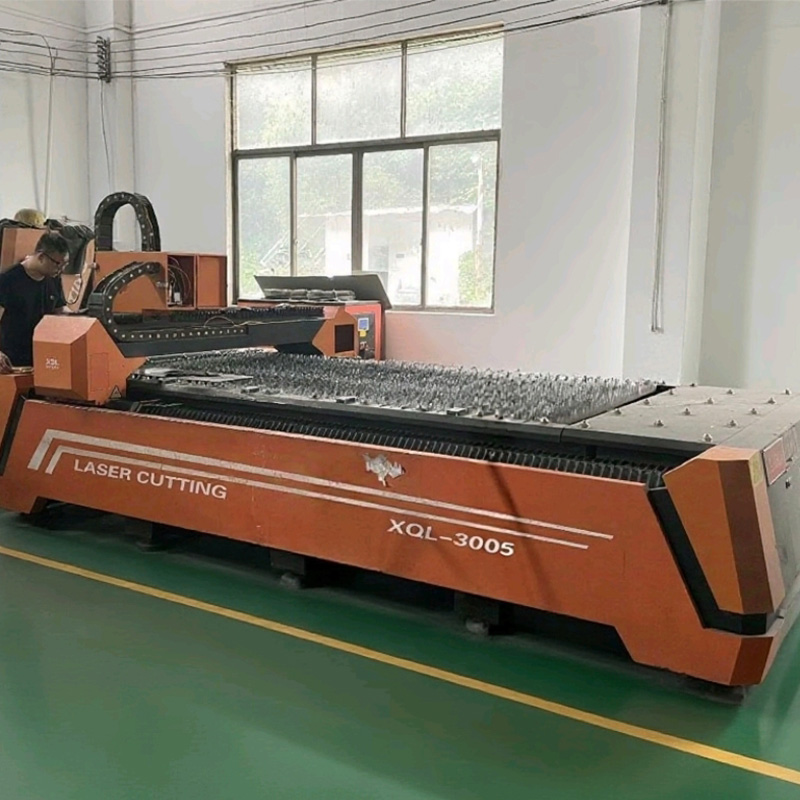
Packaging large-scale suspended 3D LED signs for international malls.
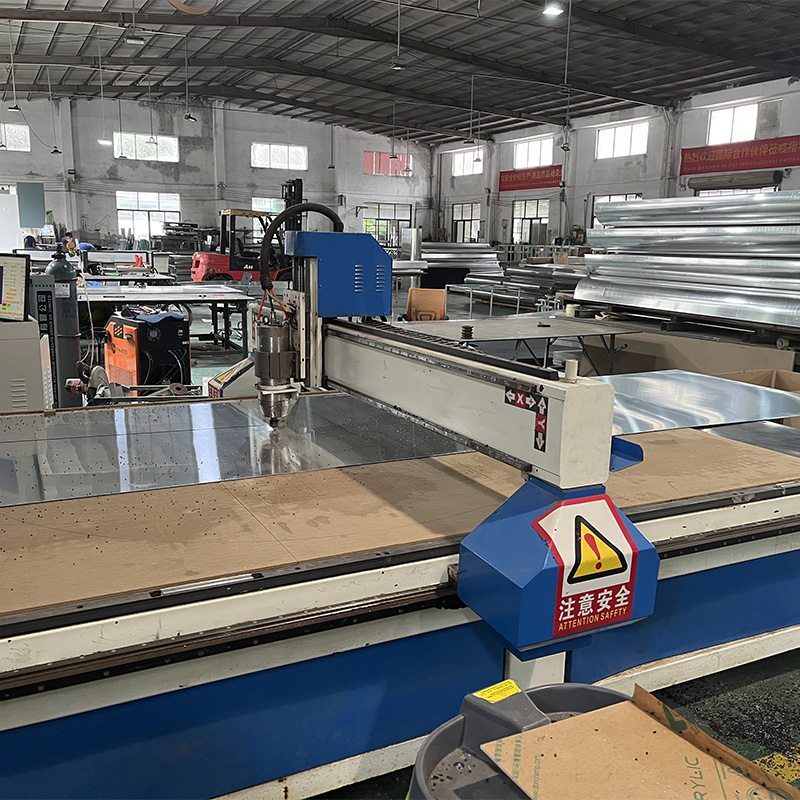
Developing next-gen AI-driven content systems for retail advertising.
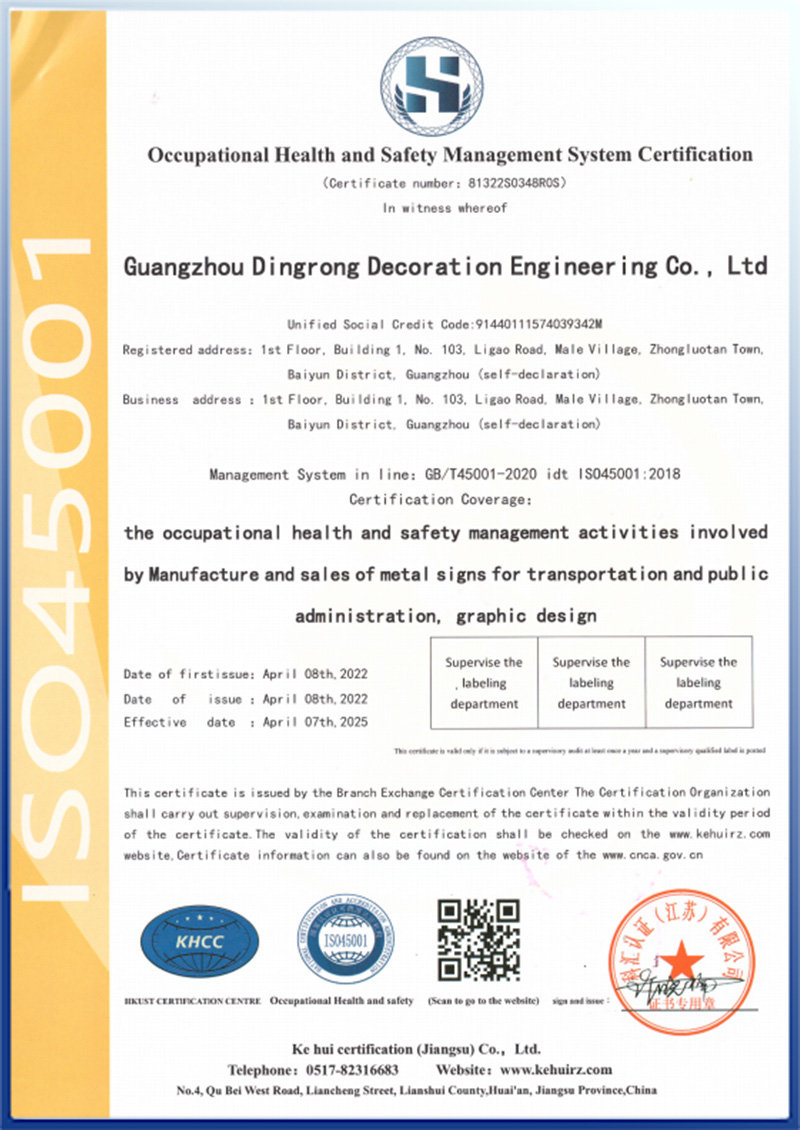
Ensuring our 3D lightboxes meet the highest global quality standards.
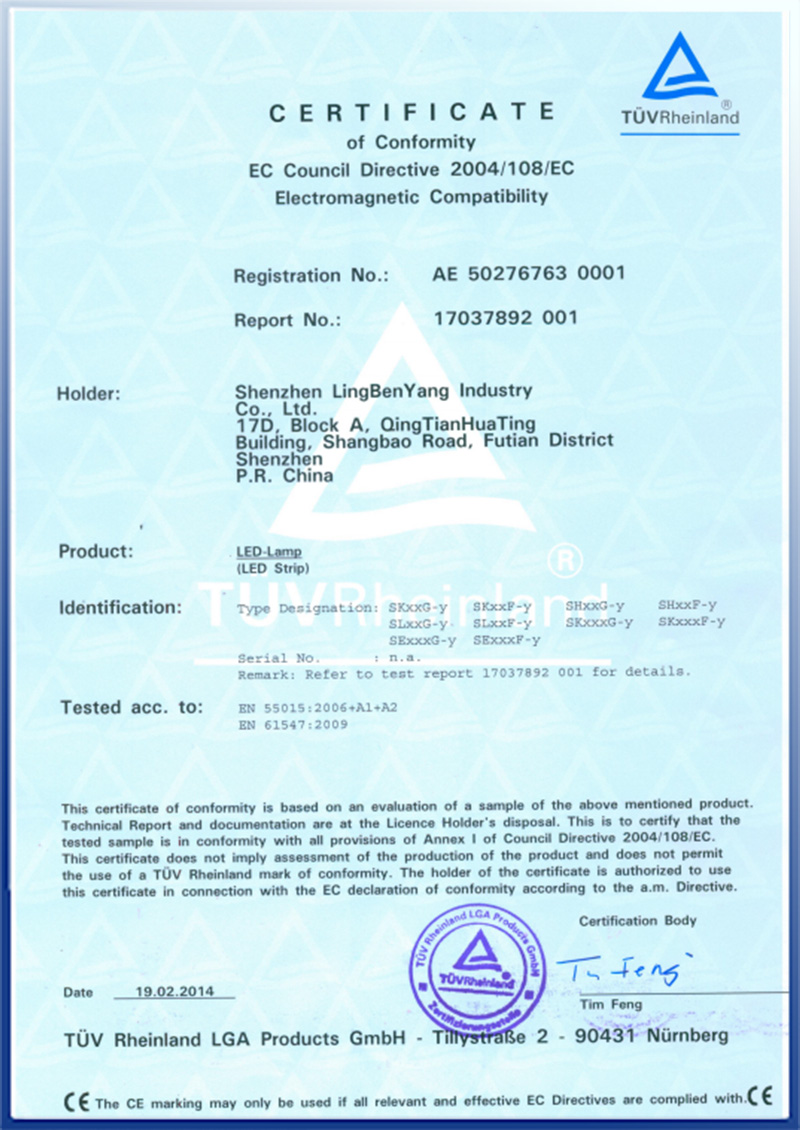
Certified safe for continuous operation in high-traffic shopping centers.