Leave Your Message
Explore our premium selection of 3D aluminum sign boards engineered specifically for the dynamic environments of modern shopping malls. These core systems ensure seamless navigation and elevate the architectural aesthetic of your retail space.

Creative and strategic branding solutions for main mall entrances and multi-level floor plans.

In-house manufacturing with state-of-the-art technology for suspended aisle navigation.

Efficient global distribution and seamless on-site implementation for interactive mall kiosks.

Reliable support to ensure long-term performance of restroom, elevator, and exit signs.
The landscape of retail architecture has undergone a massive transformation over the past decade. Modern shopping malls are no longer just collections of stores; they are sprawling, multi-dimensional lifestyle hubs encompassing retail, entertainment, dining, and wellness. In such expansive and complex environments, effective navigation is paramount. This is where the 3D Aluminum Sign Board for Shopping Mall Wayfinding becomes a critical infrastructural element.
Unlike traditional flat, printed directories, 3D aluminum signage provides unparalleled spatial presence. The three-dimensional lettering creates natural shadows and highlights, drastically improving readability from a distance and across various viewing angles. Furthermore, aluminum is the undisputed champion of signage materials. It is intrinsically lightweight, making overhead suspension incredibly safe and reducing structural load requirements. Simultaneously, its natural resistance to oxidation and corrosion ensures that these sign boards maintain their pristine, premium appearance for decades, even in open-air or semi-enclosed shopping center environments.

Founded in 2011, ZZC is DingRong Group (Zhongzhicheng-ZZC) brings over 15 years of expertise in manufacturing and engineering, specializing in comprehensive sign solutions for global clients. We are a large factory with a production area of 20,000 square meters, we are a full-service sign manufacturer capable of delivering end-to-end projects for diverse industries, including gas stations, retail spaces, and public facilities.
Years Industry Experience
Factory area
cooperative customers
team members
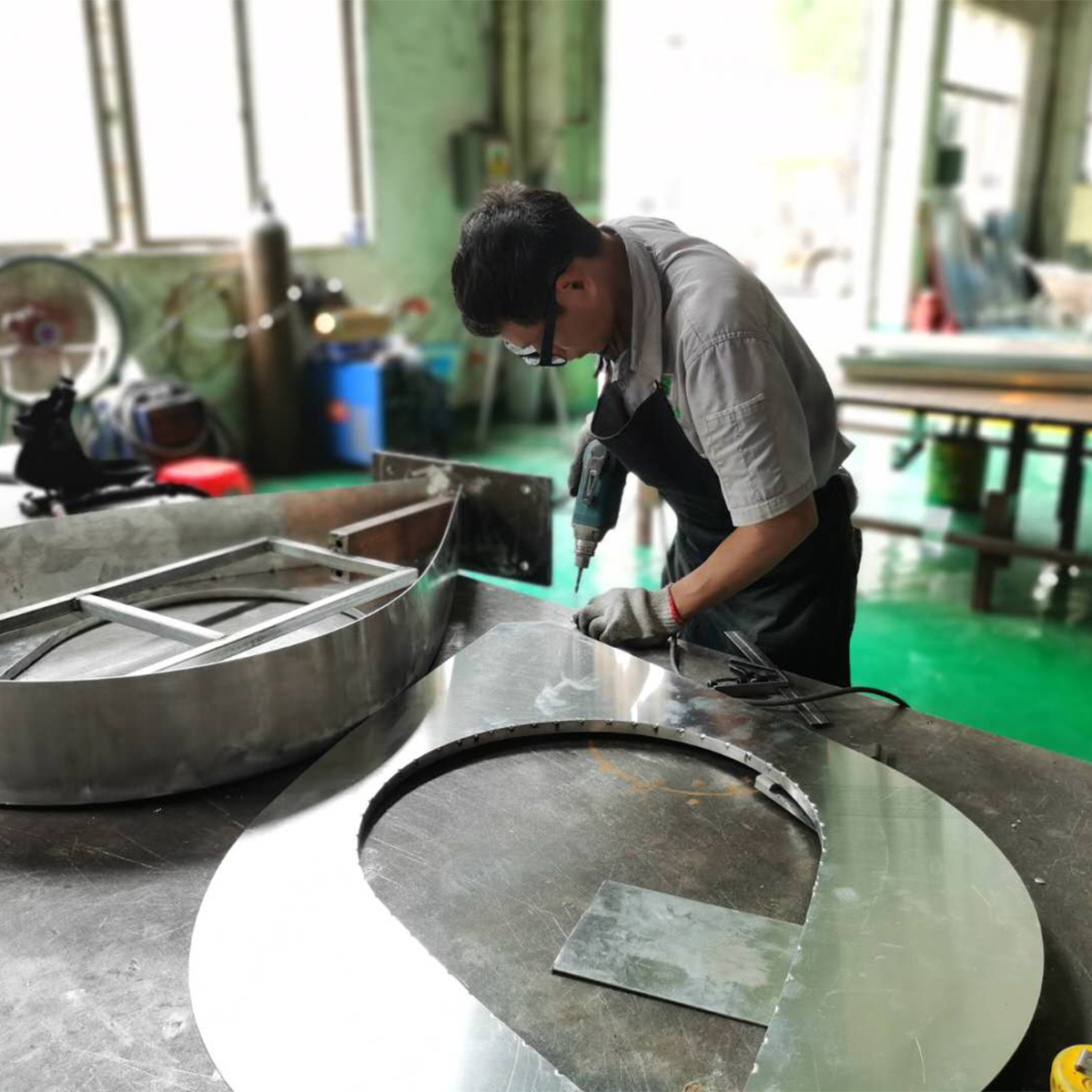
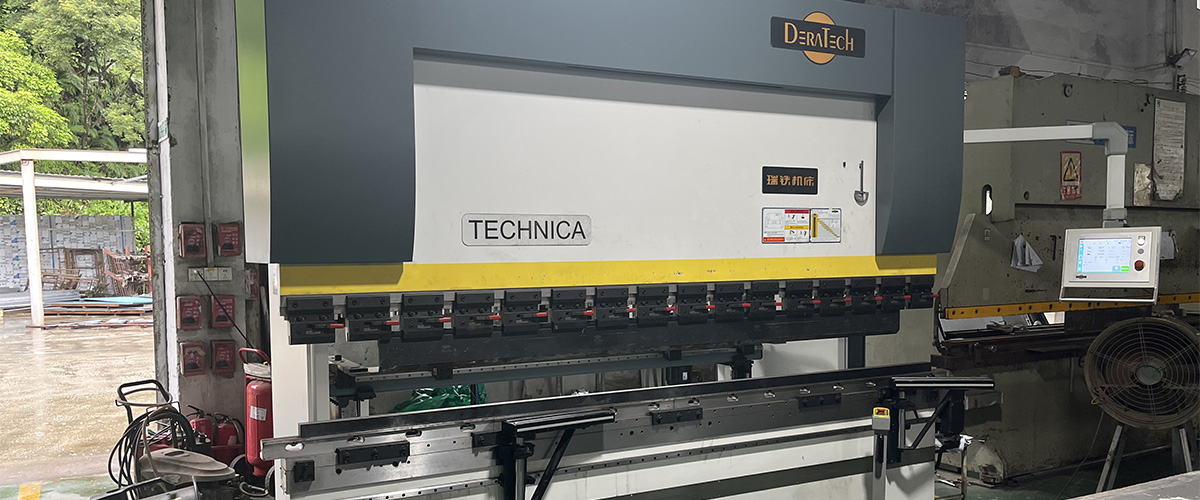
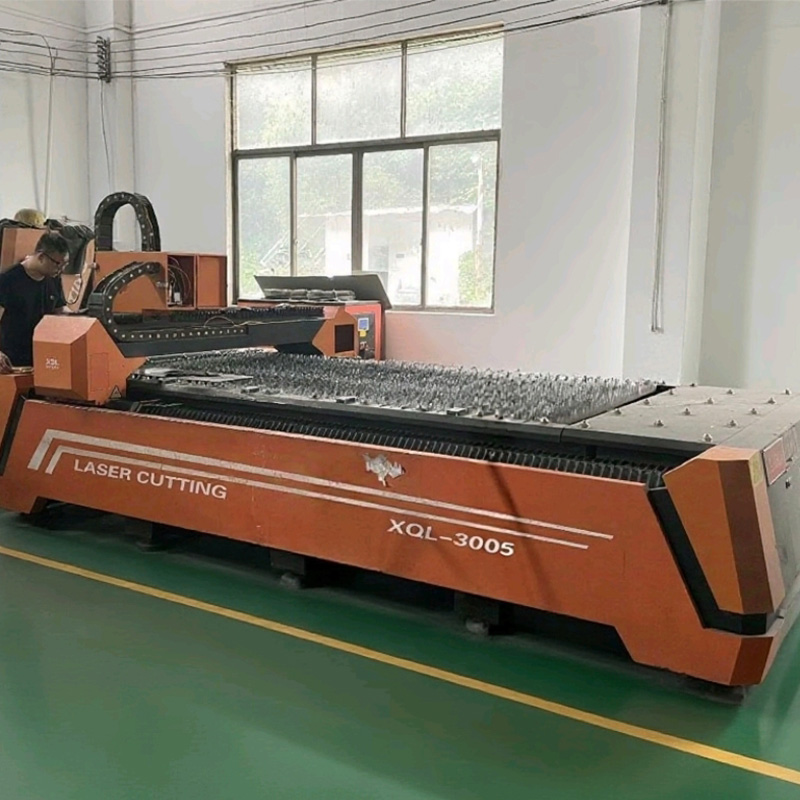
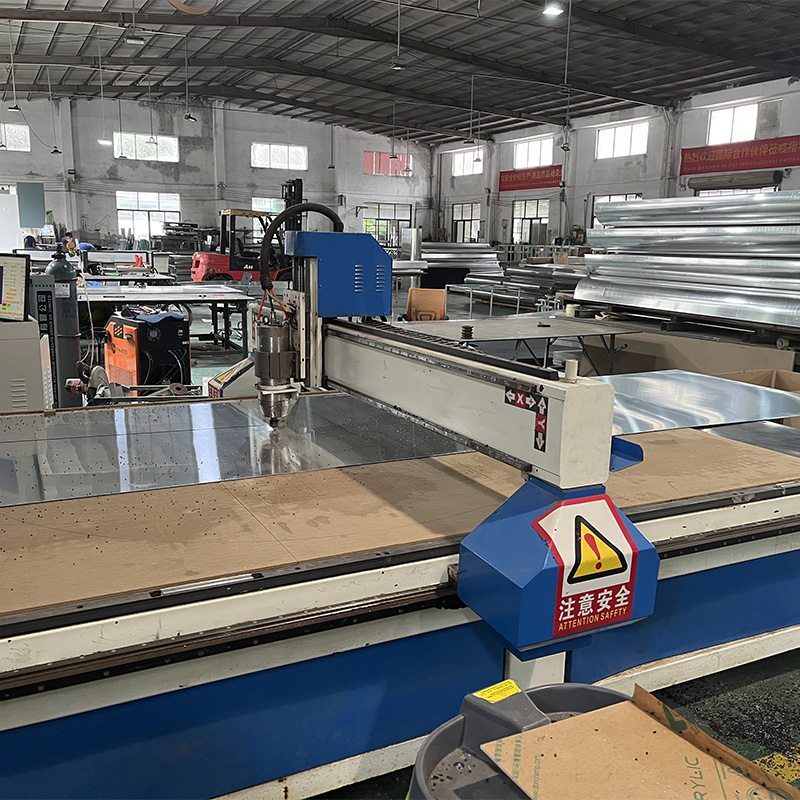
In the current industrial landscape, the manufacturing of a 3D Aluminum Sign Board relies on highly advanced, computer-numerically-controlled (CNC) technologies. The industry has moved far beyond manual metal bending. Today, premium shopping mall wayfinding systems are crafted using precise laser cutting machines that can slice through thick aluminum sheets with micrometer accuracy. This precision allows for the creation of intricate mall logos, bespoke typography, and complex geometric backplates that align perfectly with a mall's interior design language.
Surface treatment is another area where the industry has seen significant advancements. Powder coating and anodizing are the standard finishes for commercial aluminum signs. These processes bond pigment to the metal at a molecular level, creating a hard, durable shell that resists scratching from cleaning equipment and fading from UV exposure (crucial for skylit mall atriums). Furthermore, the integration of LED technology has revolutionized the sector. Modern aluminum boards are often engineered with hollow channels to house energy-efficient, low-voltage LED modules, providing halo-lit or face-lit illumination that guides shoppers effectively, even in dimly lit corridors or cinema zones.
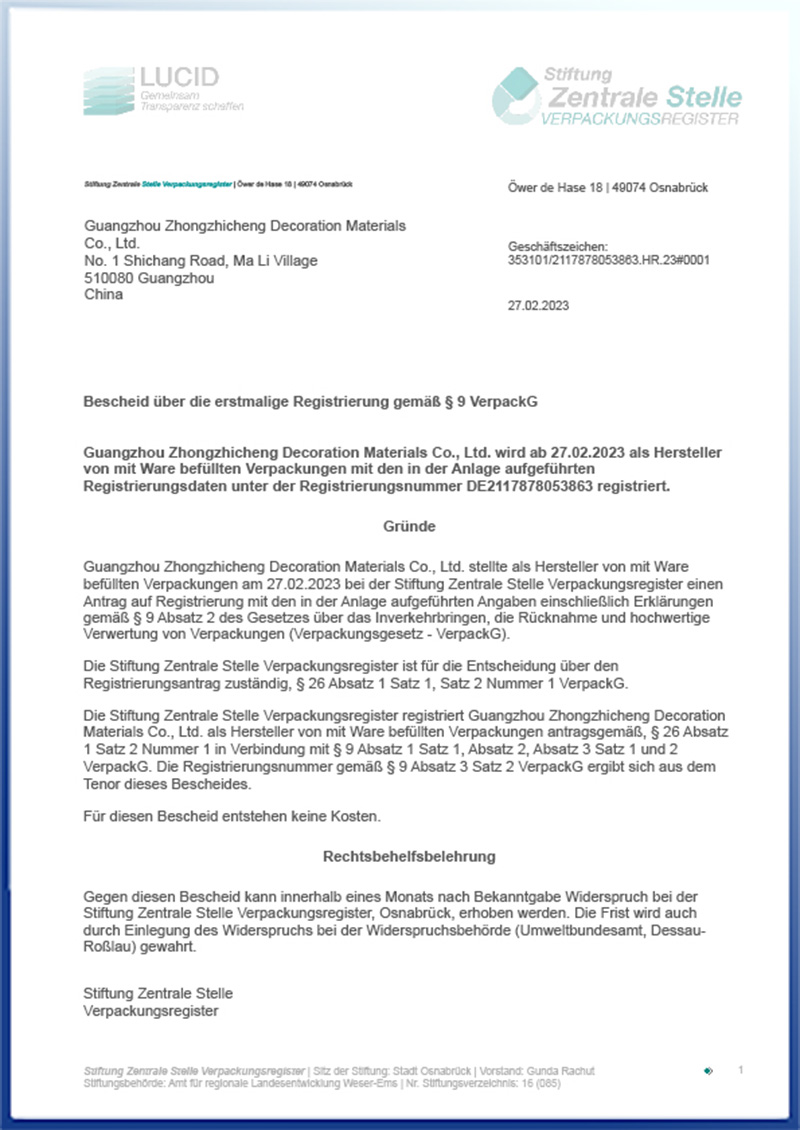
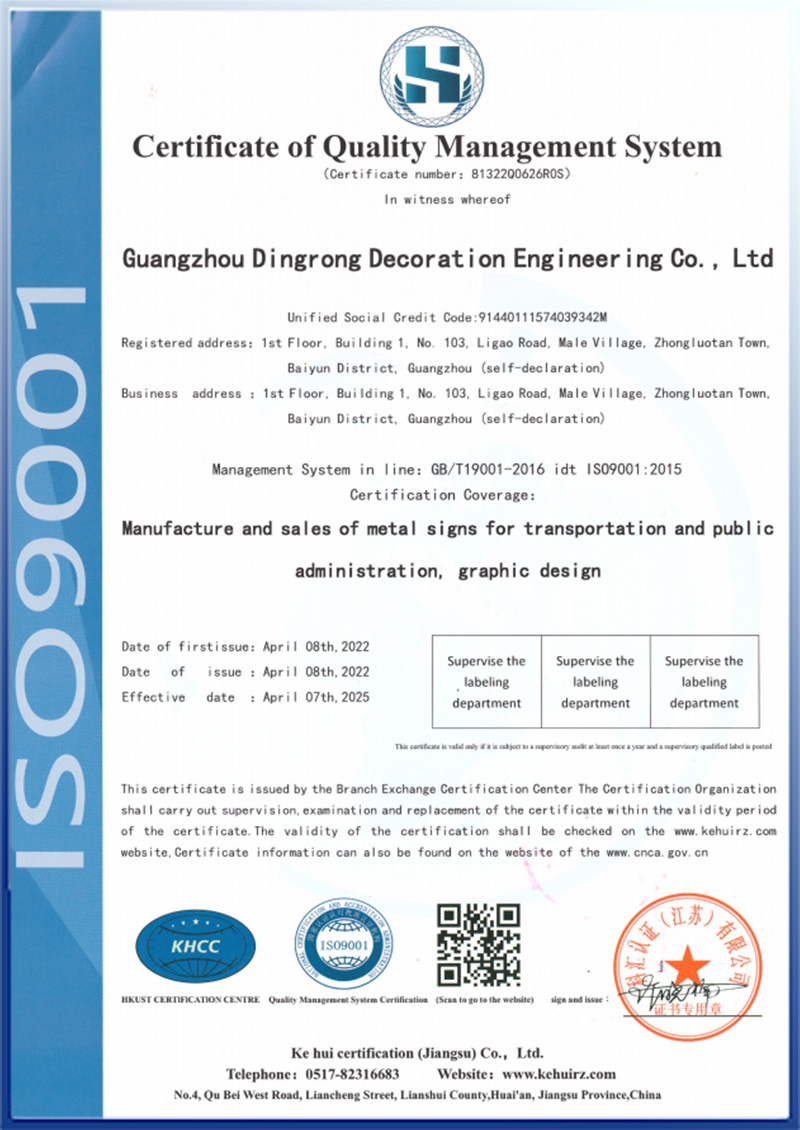
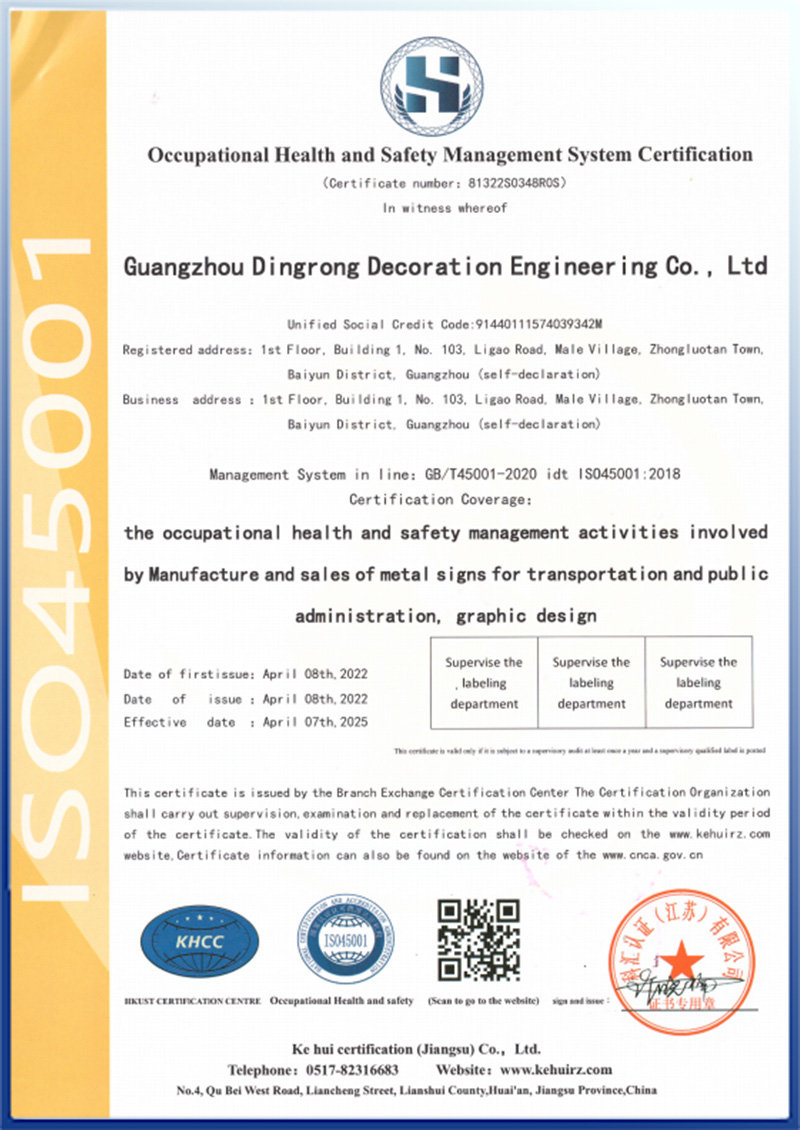
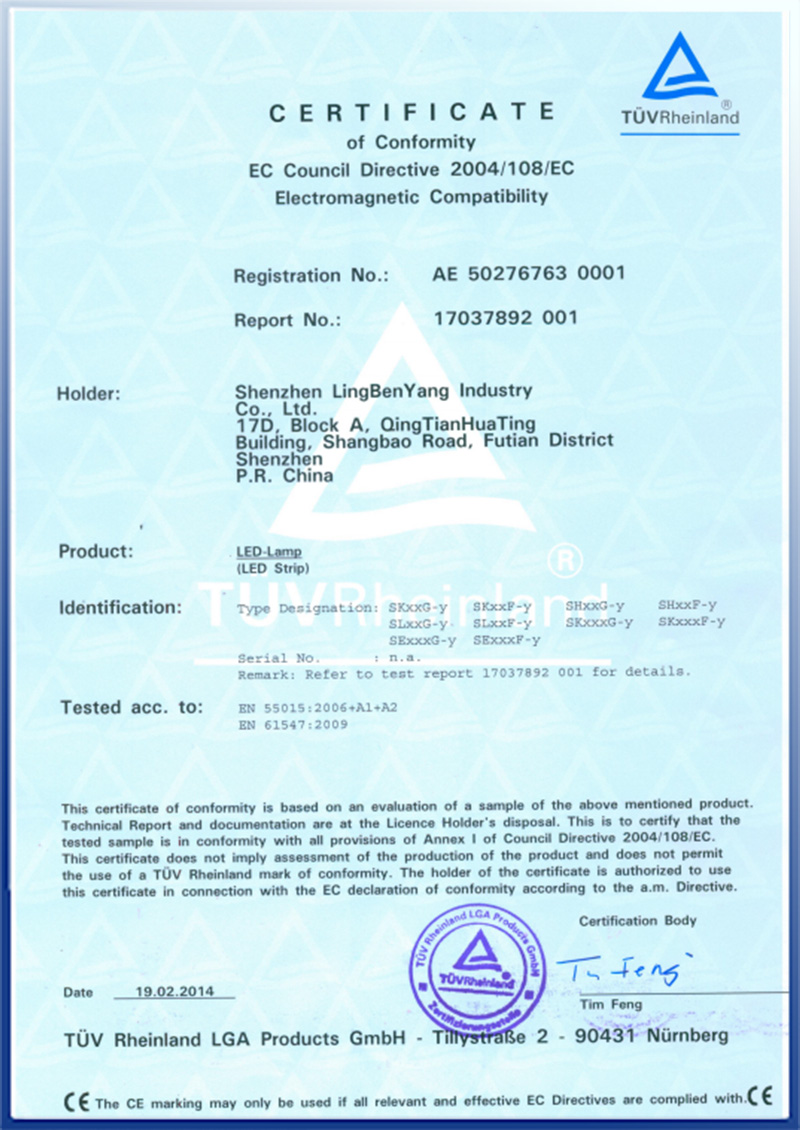
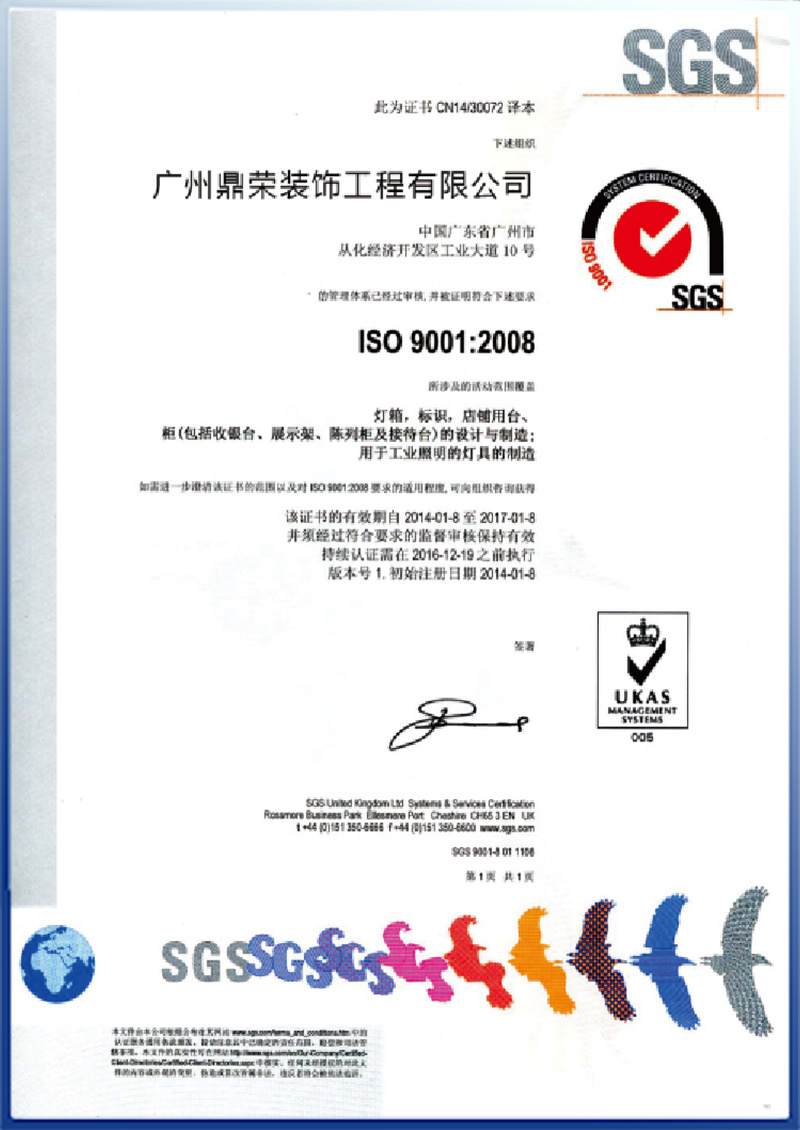
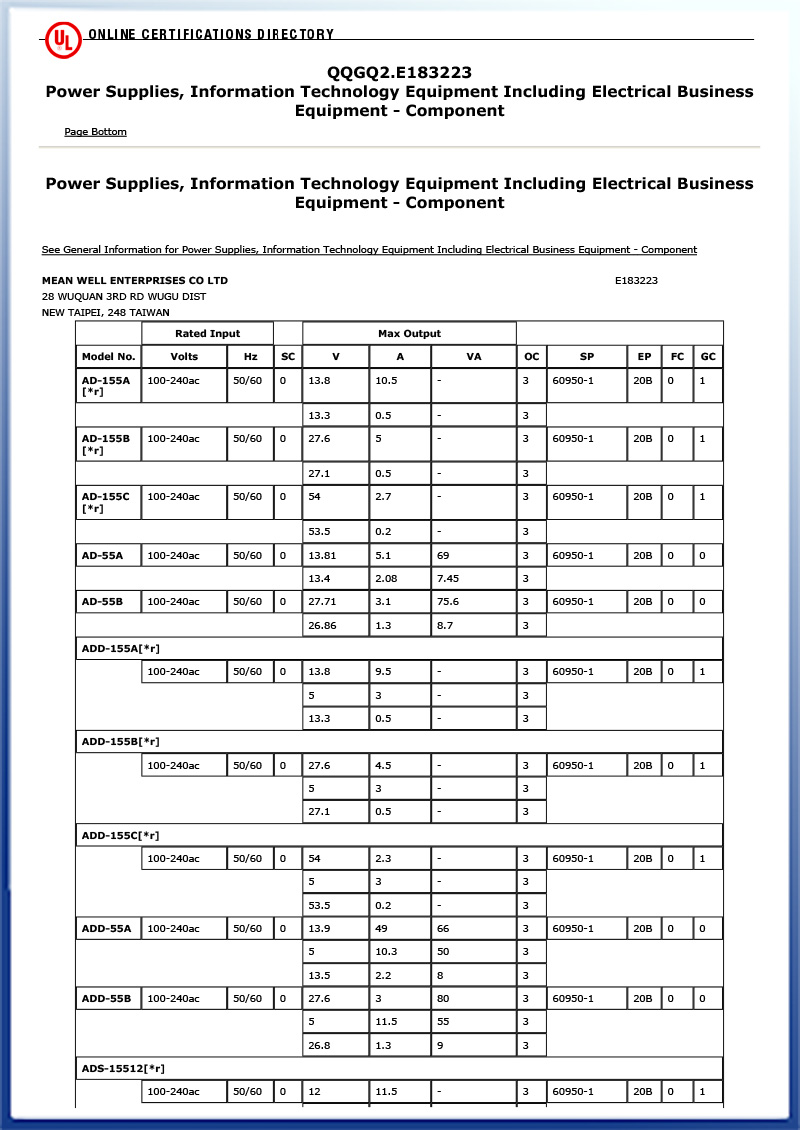
Our commitment to quality and innovation is reflected in our certifications:
SGS International Certification.
ISO 9001, ISO 9000 (Quality Management) .
ISO 14001 (Environmental Management).
ISO 45001 (Occupational Health and Safety) .
We adhere to international production standards and hold triple-system certifications for quality, environment, and occupational health.
The deployment of a 3D Aluminum Sign Board for Shopping Mall Wayfinding is a strategic exercise in environmental psychology. Every sign must be placed at the optimal decision-making point to reduce cognitive friction for the shopper. Let's explore the deepest application scenarios within a mega-mall complex:
1. Atrium and Main Concourse Intersections: This is where traffic flow is heaviest. Large-scale, overhead suspended aluminum signs are utilized here. Because aluminum is strong yet light, these massive multi-directional boards can hang safely above crowds, directing them toward anchor tenants, food courts, and entertainment wings. The 3D lettering ensures that the text remains legible even when viewed from acute angles on escalators.
2. Freestanding Directory Kiosks: Positioned at main entrances and elevator banks, these are often monolithic aluminum structures. They house not only static 3D maps but increasingly integrate digital touchscreens. The aluminum casing acts as a robust, tamper-proof, and heat-dissipating housing for the electronic components inside, blending tactile 3D branding with digital interactivity.
3. Amenity and Facility Identification: Navigating to restrooms, family rooms, prayer rooms, and emergency exits requires high-contrast, universally understood signage. Projecting blade signs made of brushed aluminum are mounted perpendicular to the walls, ensuring they catch the eye of someone walking down a long corridor. The use of 3D universally recognized icons (pictograms) machined from solid aluminum adds a touch of luxury to basic utility.
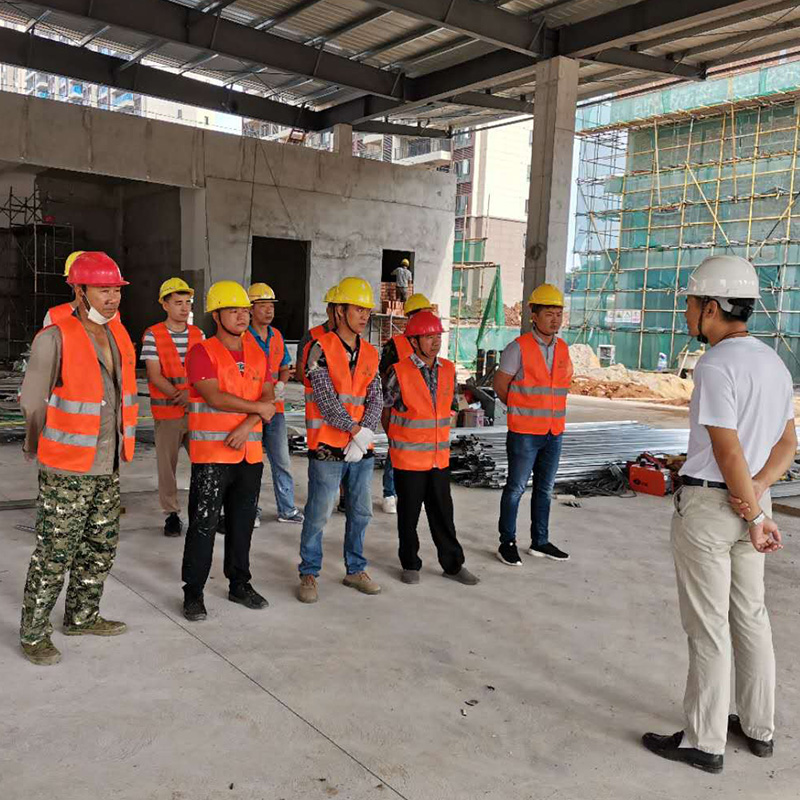
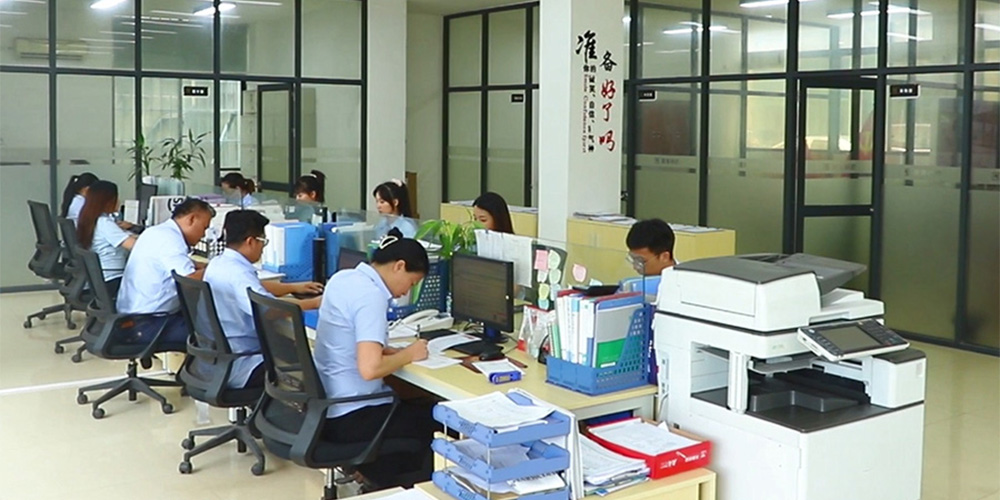
Factory Showcase & Quality Assurance
All electronic products undergo rigorous testing, including CE, UL, and RoHS certifications, and are subjected to a 48-hour 100% full-load aging test before shipment. We offer a 2-year warranty on all products, ensuring durability and customer satisfaction.
As we look to the future, the 3D Aluminum Sign Board is evolving from a passive architectural element into an active node within the smart building ecosystem. One of the most significant trends is the integration of Internet of Things (IoT) beacons within the aluminum casing. These hidden sensors communicate directly with shoppers' smartphones, offering augmented reality (AR) overlay navigation and location-based promotional push notifications. The aluminum structure is specially designed with non-ferrous windows to allow wireless signals to pass through uninterrupted.
Sustainability is another driving force. Aluminum is infinitely recyclable without loss of its inherent properties. Shopping mall developers seeking LEED or BREEAM green building certifications are increasingly mandating that their wayfinding systems be constructed from high-recycled-content aluminum. Furthermore, the industry is adopting AI-driven generative design. AI algorithms analyze foot traffic patterns, sightlines, and lighting conditions within a mall's CAD model to automatically generate the optimal shape, angle, and placement of 3D aluminum signs, ensuring maximum visibility with minimal material waste.
Our R&D department provides robust technical support, enabling us to excel in OEM and ODM projects.
With a team of skilled engineers, a responsive sales force, and competitive pricing,
we serve clients across Europe, the Americas, Canada, Japan, the Middle East, and South Africa.
Browse our extensive portfolio of manufacturing capabilities and completed 3D aluminum sign board installations designed specifically for high-traffic shopping mall environments.