
Leave Your Message
Precision-engineered backlit canopy systems designed specifically for bus terminals, metro stations, railway hubs, and airport transit zones — combining structural durability with luminous brand identity.

High-visibility LED canopy signage engineered for outdoor bus terminal environments.
View Details →
Architectural backlit canopy systems for underground and elevated metro entrances.
View Details →
Large-format illuminated canopy structures for intercity and high-speed rail stations.
View Details →
Premium backlit canopy signage for airport terminals and ground transportation zones.
View Details →A 3D backlit canopy is a structurally dimensional, internally illuminated overhead sign or shelter element installed at public transportation hubs — including bus stations, metro entrances, railway terminals, ferry docks, and airport transit zones. Unlike flat printed signage, 3D backlit canopy systems use precision-fabricated acrylic or aluminum channel letters and geometric frames, backlit by energy-efficient LED arrays, to create vivid depth, luminous contrast, and unmistakable visual identity around the clock.
In the context of public transportation infrastructure, these canopy systems serve a dual purpose: functional wayfinding and architectural branding. Passengers navigating a busy transit hub rely on clear, high-contrast illuminated signage to identify entrances, platforms, and service zones, while transit authorities and commercial operators leverage the canopy's visual impact to reinforce brand standards and improve the perceived quality of public spaces.
🔆 Key insight: Studies in urban transit design show that well-illuminated, clearly branded station canopies reduce passenger confusion by up to 34% and increase overall satisfaction scores for public transport services.
The "3D" dimension refers to the raised, sculpted letterforms and graphic elements that project outward from the canopy fascia — typically between 50mm and 200mm in depth — creating dramatic shadow lines during the day and a glowing halo or face-lit effect at night. This three-dimensional quality is what distinguishes these systems from conventional flat-panel lightboxes and makes them a preferred choice for flagship transit stations, international airports, and high-profile urban mobility projects.
The global market for illuminated transit signage and architectural canopy systems has experienced robust growth over the past decade, driven by massive public infrastructure investment across Asia-Pacific, the Middle East, Europe, and North America. Government-led smart city initiatives, urban rail expansion programs, and airport modernization projects are collectively creating a multi-billion-dollar demand for high-quality, durable, and visually compelling backlit canopy solutions.
According to industry reports, global investment in public transportation infrastructure exceeded USD 280 billion in 2023, with a significant portion allocated to station modernization and passenger experience upgrades. Countries including China, India, the UAE, Saudi Arabia, the UK, and the United States are all executing large-scale metro expansion, bus rapid transit (BRT) corridor development, and airport terminal renovation programs — each requiring standardized, high-performance illuminated canopy signage at scale.
In China alone, over 50 cities are currently expanding their metro networks, with more than 3,000 new station entrances requiring compliant, branded canopy systems by 2027. Similarly, the Gulf Cooperation Council (GCC) region's infrastructure boom — fueled by Vision 2030 and Expo legacy projects — has generated exceptional demand for premium transit signage that meets both aesthetic and technical standards.
Transit operators worldwide are actively phasing out flat-panel and non-illuminated canopy signage in favor of 3D backlit systems. This transition is driven by several converging factors:
The next generation of transit canopy systems is converging with smart infrastructure, sustainable materials, and digital integration — reshaping how public transportation hubs look, function, and communicate.
Emerging systems embed IoT sensors within canopy structures to monitor LED health, ambient light levels, and structural integrity in real time. Integration with transit management platforms enables dynamic brightness adjustment and predictive maintenance scheduling, reducing operational downtime and lifecycle costs.
Manufacturers are transitioning to recycled aluminum alloys, bio-based acrylic panels, and low-VOC coatings to meet LEED, BREEAM, and ISO 14001 environmental standards. Solar-integrated canopy concepts — incorporating thin-film PV cells into the canopy fascia — are entering pilot deployment at select transit hubs globally.
Next-generation backlit canopies support programmable RGB LED arrays, enabling transit operators to update color schemes for events, emergencies, or seasonal branding without physical sign replacement. RGBW and tunable white LED systems allow precise color temperature control for optimal visibility in all weather conditions.
Modular canopy system architectures allow rapid on-site assembly and future expansion without structural redesign. Pre-fabricated, factory-tested modules reduce installation time by up to 50%, minimizing disruption to active transit operations during upgrade projects.
The integration of LED display panels within 3D canopy structures is creating hybrid systems that combine static illuminated branding with dynamic digital content — real-time departure boards, emergency messaging, and advertising — all within a single architectural canopy element.
International transit authorities are converging on unified technical standards for illuminated canopy systems, covering luminance levels, color rendering index (CRI), IP ratings, wind load resistance, and seismic performance. Manufacturers with pre-certified, multi-standard compliant products hold a significant competitive advantage in global tender processes.
3D backlit canopy systems are deployed across a diverse spectrum of public transportation environments, each presenting unique technical, aesthetic, and operational requirements.
BRT systems represent one of the fastest-growing segments for 3D backlit canopy deployment. As cities invest in elevated-quality bus infrastructure to attract ridership away from private vehicles, station canopies play a critical role in communicating system quality and route identity. Backlit canopy systems at BRT stations must withstand outdoor exposure — including UV radiation, heavy rain, wind loading, and temperature extremes — while maintaining consistent luminance for 24/7 passenger visibility. Typical specifications include IP65-rated LED modules, powder-coated marine-grade aluminum structures, and anti-graffiti surface treatments.
Underground metro systems present a unique design challenge: the station entrance canopy must transition passengers visually from the street environment to the transit system, functioning as a powerful brand beacon in dense urban streetscapes. 3D backlit canopy structures at metro entrances are typically designed to metro authority corporate identity standards, with precise color matching, dimensional letter heights, and illumination uniformity ratios specified to the decimal point. ZZC's manufacturing capabilities support exact Pantone and RAL color matching through custom-mixed acrylic and powder coat formulations.
Major railway stations and intermodal transportation centers — where bus, metro, rail, and taxi services converge — require canopy signage systems that perform at architectural scale. Canopy structures at these facilities may span 10–40 meters in width, requiring engineered steel substructures with precision-fabricated 3D illuminated fascia panels. Wind tunnel testing, seismic load calculations, and fire-rated material specifications are standard requirements for these large-format installations. ZZC's engineering team provides full structural calculation documentation and third-party certification support for complex projects.
Airport curbside and ground transportation zones are among the most demanding environments for backlit canopy signage. High passenger volumes, 24-hour operation, exposure to jet blast and vehicle exhaust, and strict airport authority aesthetic standards all combine to require premium-grade canopy systems. Backlit canopies at airports must deliver exceptional luminance uniformity (>0.7 uniformity ratio) to ensure legibility in both bright daylight and nighttime conditions, with color rendering index (CRI) ≥85 to accurately represent corporate colors and wayfinding symbols.
Marine environments introduce additional material challenges: salt spray corrosion, high humidity, and tidal zone exposure require canopy structures fabricated from marine-grade 316L stainless steel hardware, anodized aluminum profiles, and UV-stable polycarbonate or acrylic face materials. Coastal ferry terminals in regions such as Southeast Asia, Scandinavia, and the Pacific Northwest represent a growing market segment for corrosion-resistant 3D backlit canopy systems.
The rapid growth of e-bike sharing, e-scooter stations, and electric vehicle charging hubs within urban mobility ecosystems is creating a new category of smaller-scale backlit canopy applications. These micro-mobility hub canopies — typically 2–6 meters in width — require compact 3D backlit systems that deliver maximum visual impact within constrained footprints, often incorporating digital QR code panels and real-time availability displays alongside traditional illuminated branding elements.
Operational temperature range for transit-grade LED backlit canopy systems
Full dust and jet-water protection for outdoor transit environments
LED lifespan delivering over 10 years of maintenance-free illumination
316L stainless and anodized aluminum for corrosive coastal environments

Founded in 2011, ZZC is DingRong Group (Zhongzhicheng-ZZC) brings over 15 years of expertise in manufacturing and engineering, specializing in comprehensive sign solutions for global clients. We are a large factory with a production area of 20,000 square meters, we are a full-service sign manufacturer capable of delivering end-to-end projects for diverse industries, including gas stations, retail spaces, and public facilities.
With deep specialization in 3D backlit canopy systems for public transportation hubs, ZZC has successfully delivered projects across Asia, the Middle East, Europe, and the Americas — supporting metro authorities, airport operators, railway corporations, and municipal transit agencies with precision-engineered, certification-compliant illuminated canopy solutions at scale.
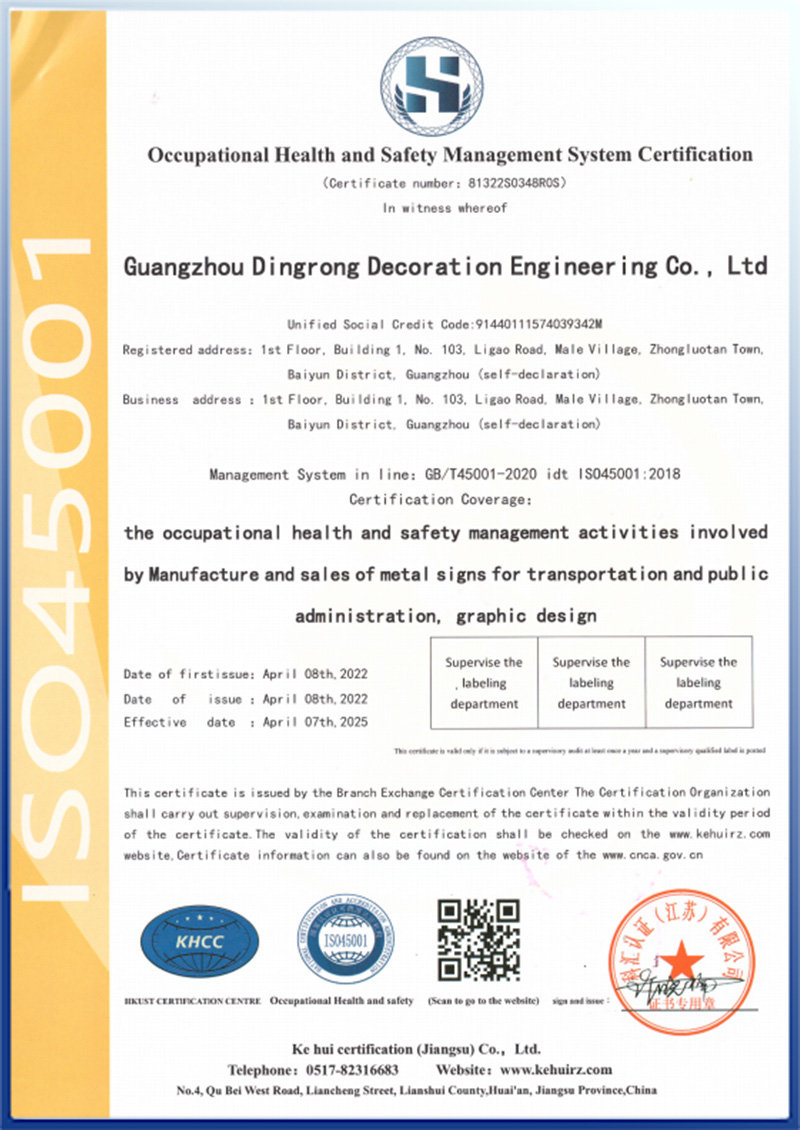
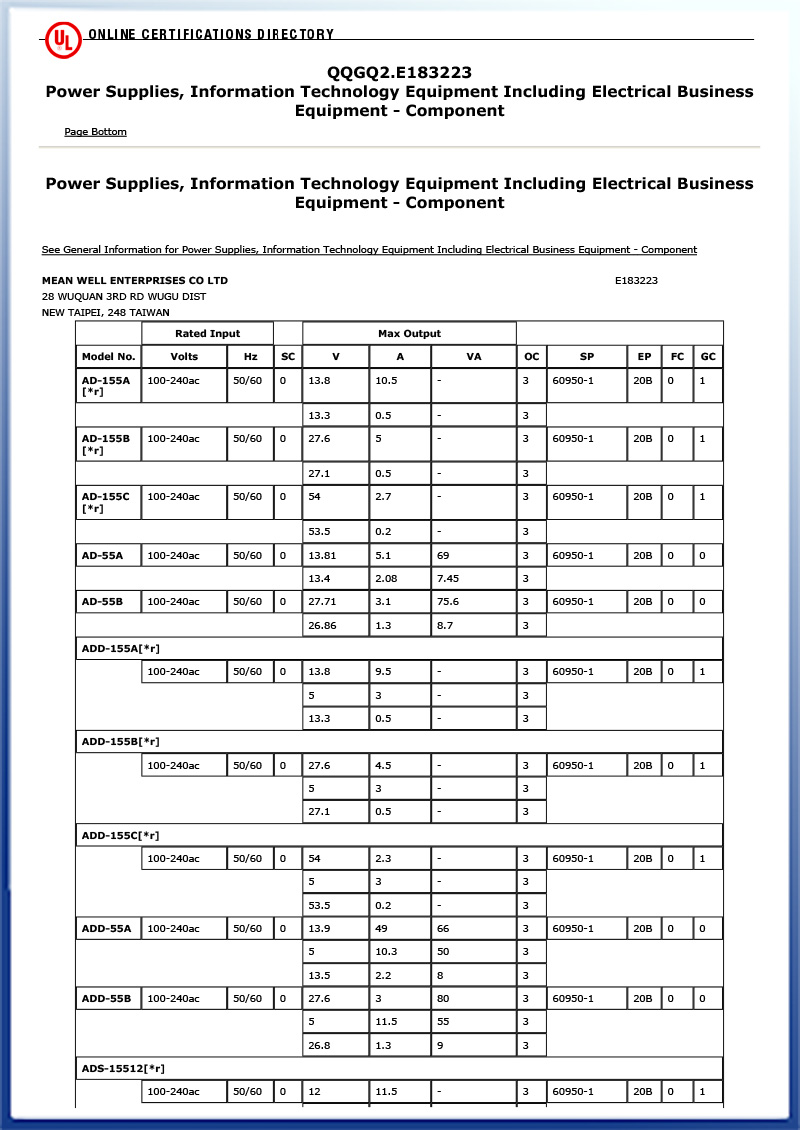
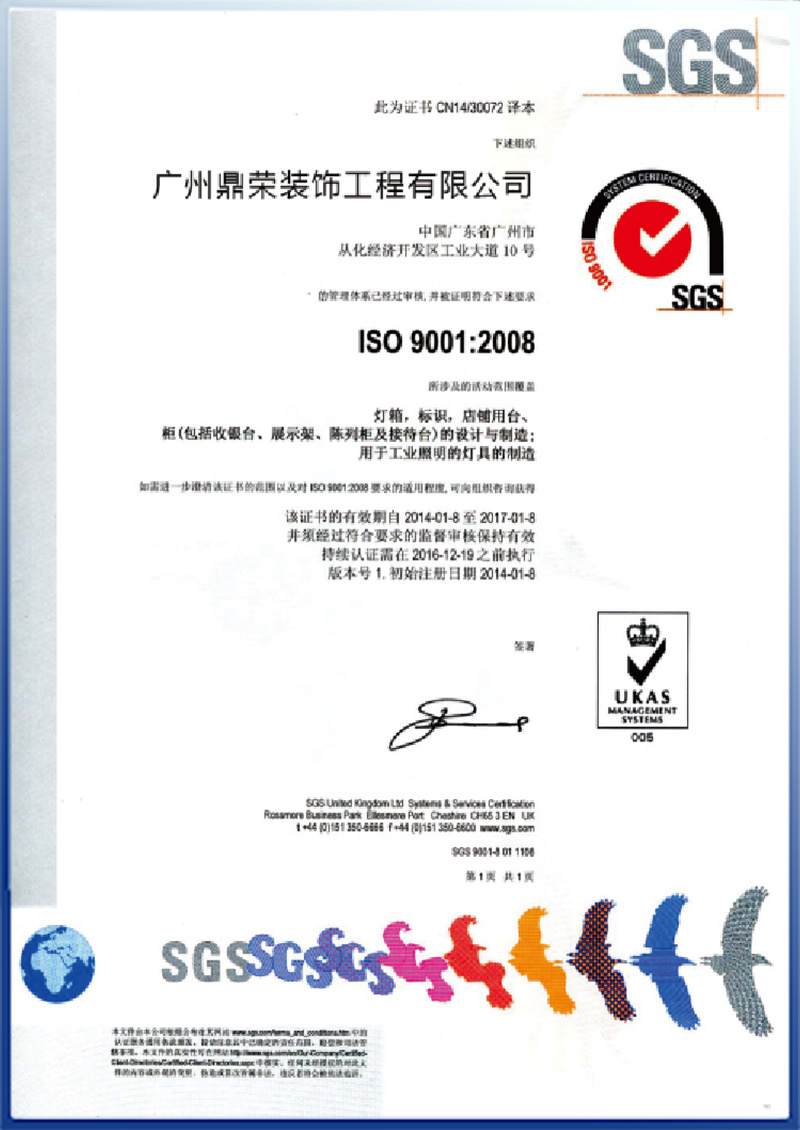
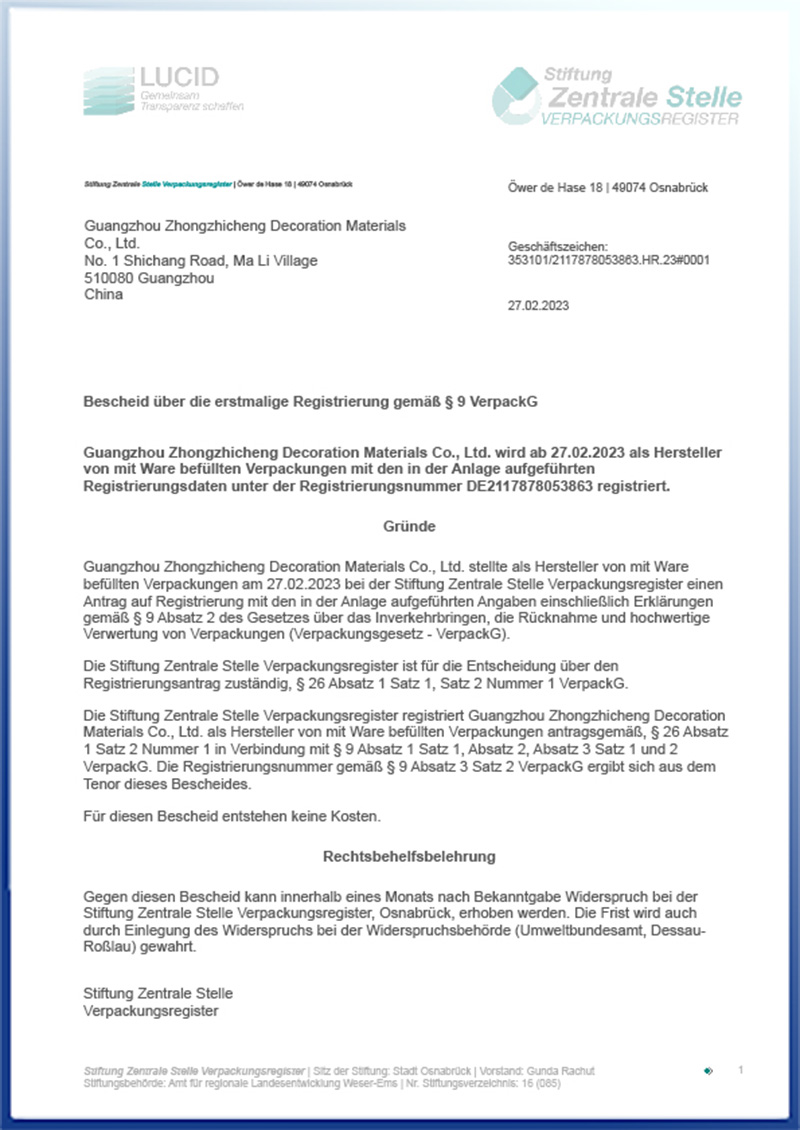
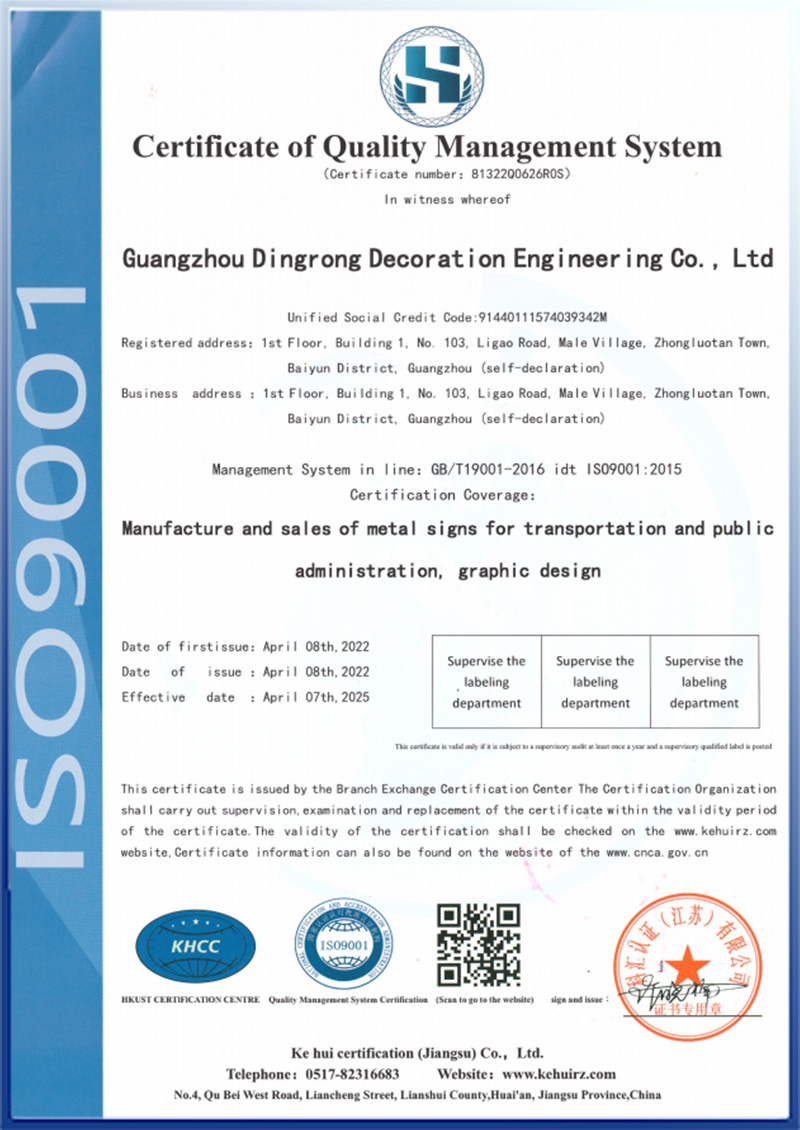
Our commitment to quality and innovation is reflected in our certifications:
SGS International Certification.
ISO 9001, ISO 9000 (Quality Management).
ISO 14001 (Environmental Management).
ISO 45001 (Occupational Health and Safety).
We adhere to international production standards and hold triple-system certifications for quality, environment, and occupational health.

Creative and strategic branding solutions tailored for transit authority identity programs.

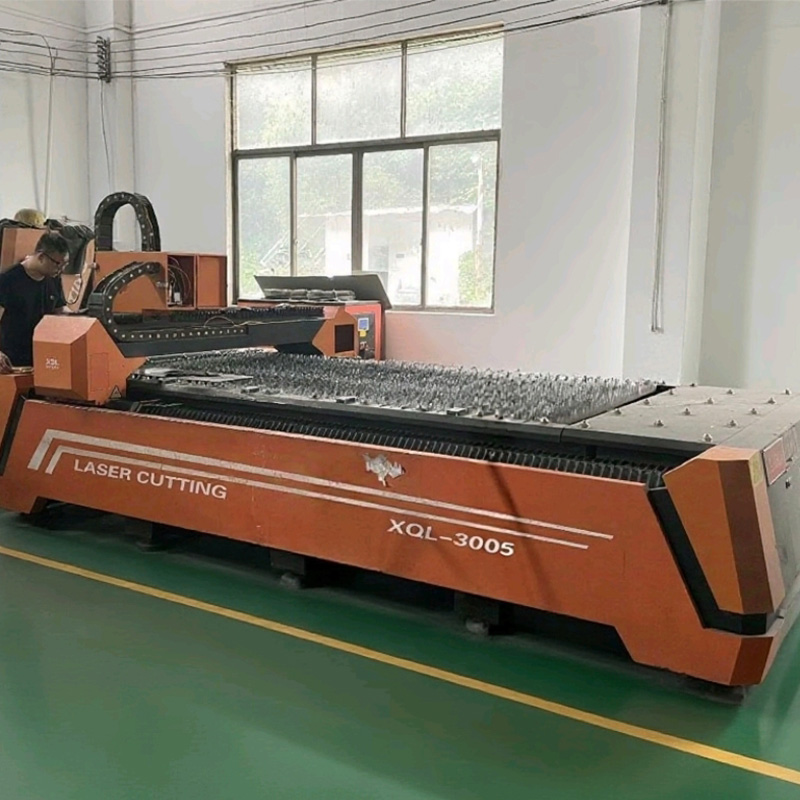
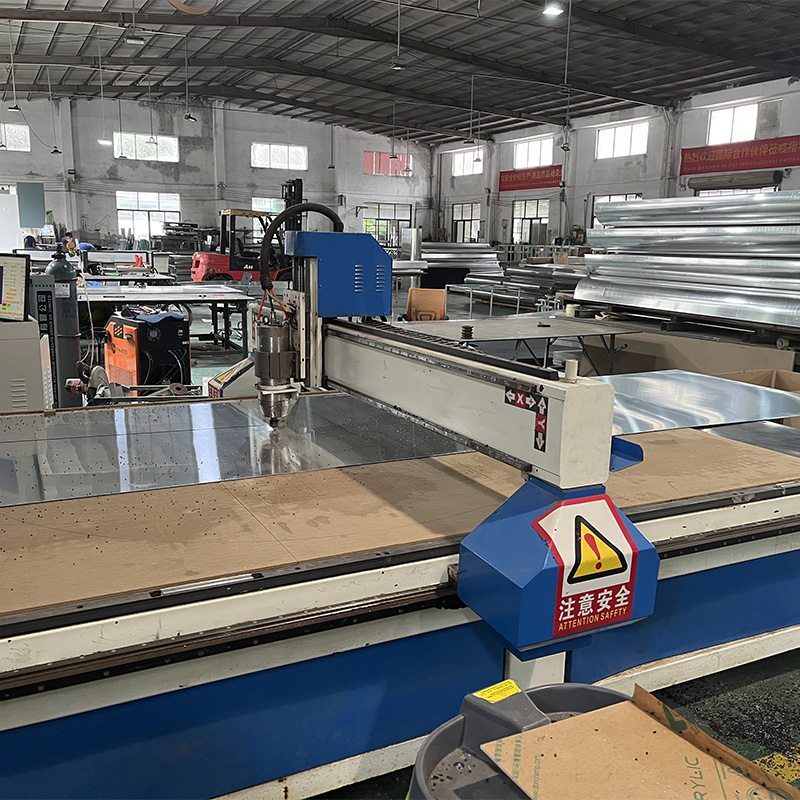
In-house manufacturing with state-of-the-art CNC, laser cutting, and LED integration technology.

Efficient global distribution and seamless on-site implementation for transit hub projects worldwide.

Reliable long-term support including remote diagnostics, spare parts supply, and on-site service teams.
Factory Showcase
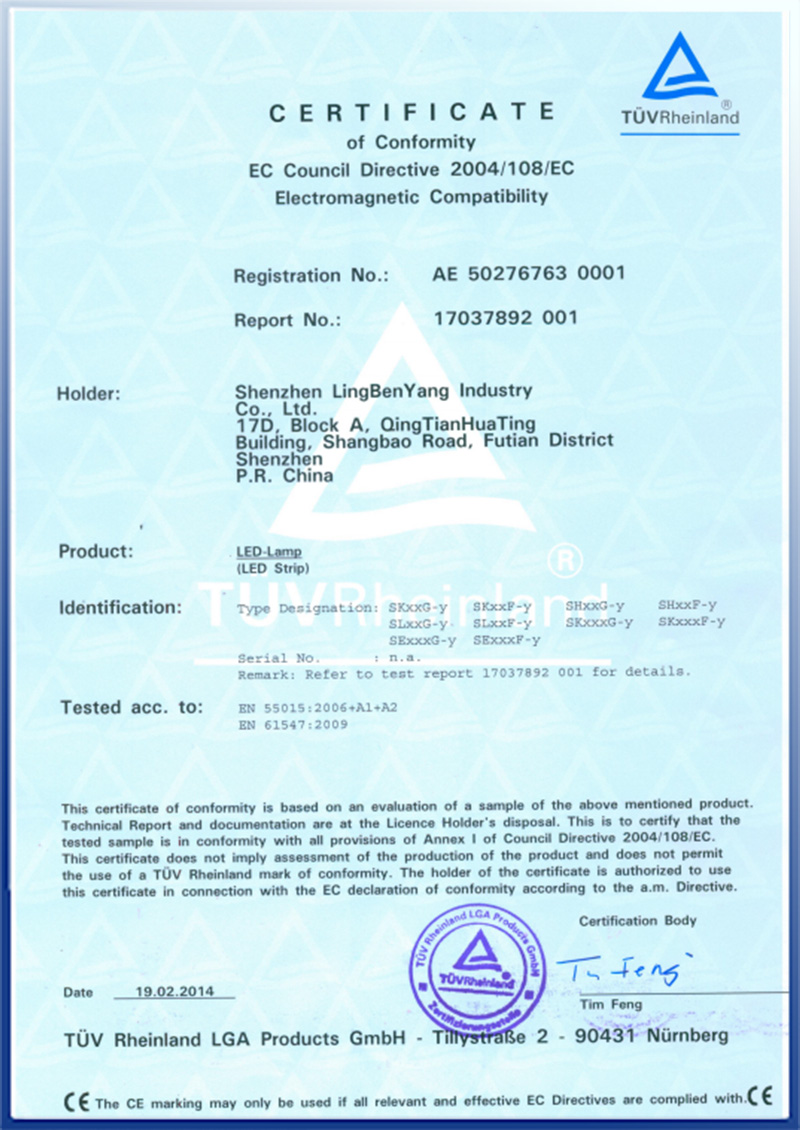
All electronic products undergo rigorous testing, including CE, UL, and RoHS certifications, and are subjected to a 48-hour 100% full-load aging test before shipment. We offer a 2-year warranty on all products, ensuring durability and customer satisfaction.
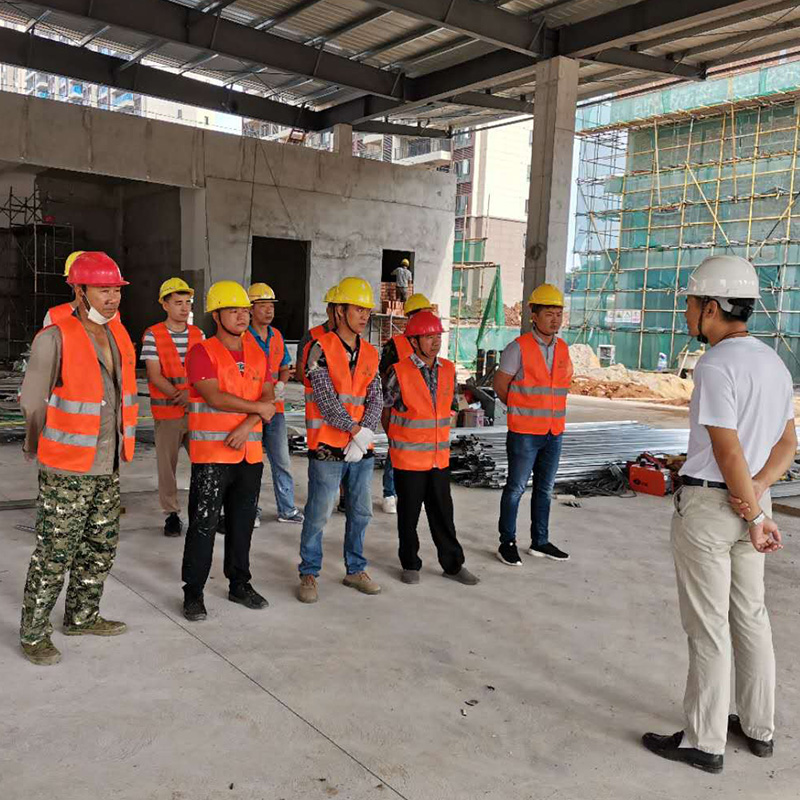
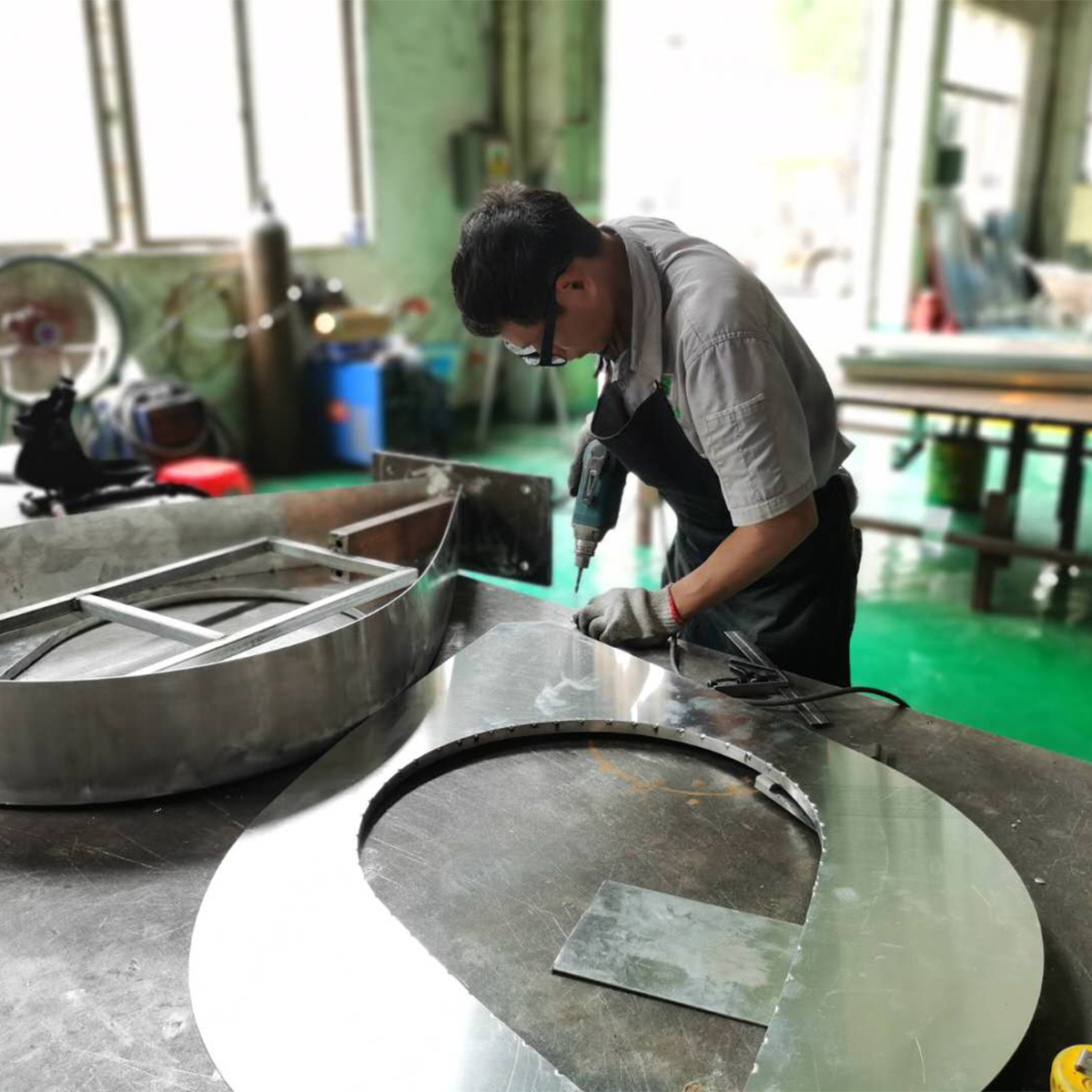
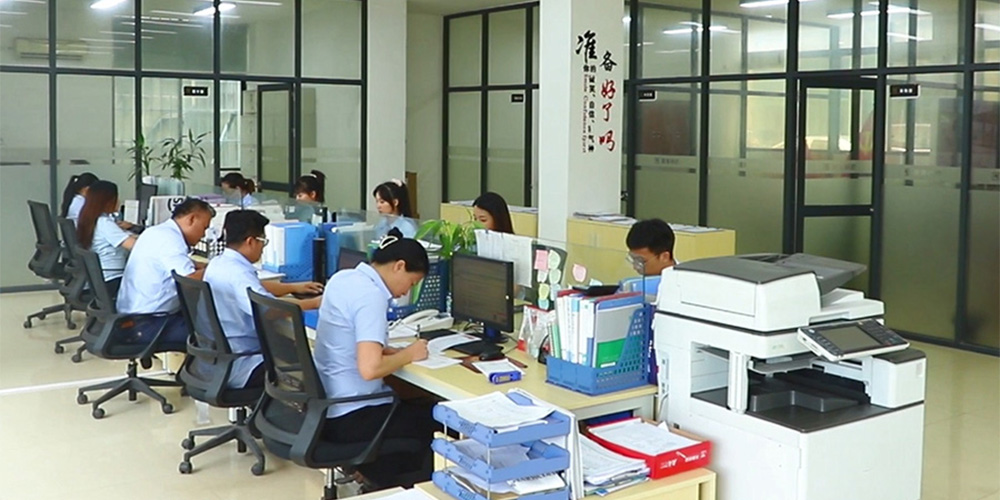
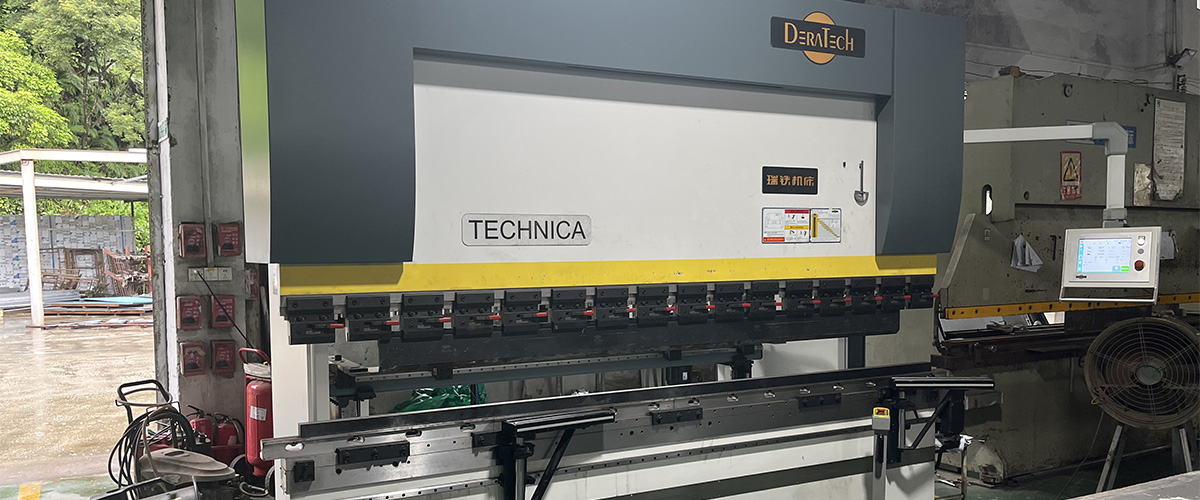
Our R&D department provides robust technical support, enabling us to excel in OEM and ODM projects.
With a team of skilled engineers, a responsive sales force, and competitive pricing,
we serve clients across Europe, the Americas, Canada, Japan, the Middle East, and South Africa.
From concept engineering to on-site installation and post-delivery support, ZZC delivers complete 3D backlit canopy solutions that meet the exacting standards of global transit authorities.
Fully integrated factory with CNC routing, laser cutting, LED assembly, and quality testing under one roof.
ISO 9001, ISO 14001, ISO 45001 and SGS certified — meeting international procurement requirements.
Proven track record delivering transit canopy projects across 6 continents with full logistics support.
Full custom engineering and design support for transit authority-specific canopy specifications and branding.
Explore our complete portfolio of transit-grade illuminated canopy solutions, engineered for every public transportation environment and climate condition.

Weather-resistant illuminated canopy for open-air bus stops and shelters.
View Details →
Slim-profile illuminated canopy structures for urban tram and light rail stops.
View Details →
Marine-grade corrosion-resistant backlit canopy for port and ferry transit facilities.
View Details →
Large-format architectural canopy systems for multi-modal transportation centers.
View Details →
Standardized illuminated canopy systems for bus rapid transit network deployments.
View Details →
Compact backlit canopy for electric vehicle and micro-mobility charging stations.
View Details →
IoT-integrated illuminated canopy with digital display and real-time transit information.
View Details →
High-impact illuminated entrance canopy for underground metro and subway portals.
View Details →Partner with ZZC DingRong Group for precision-engineered, globally certified 3D backlit canopy solutions. From single station installations to full network deployments — we deliver on time, on spec, and on budget.
Request a Free Consultation