Leave Your Message
Explore our specialized 3D backlit canopy sign systems designed for high-density public transportation environments.

Tailored 3D backlit signs aligning perfectly with city transit branding guidelines and architectural frameworks.

Heavy-duty, weather-resistant illuminated letters designed for large railway and airport terminal portals.

Integrated directional signage structures ensuring seamless passenger transitions between transport modes.

Equipped with ambient light sensors and smart dimming capabilities for optimal energy efficiency and 24/7 readability.
In the rapidly expanding landscape of urban infrastructure, public transportation hubs—such as international airports, high-speed railway terminals, metro stations, and multi-modal bus interchanges—serve as the vital arteries of modern cities. Managing the flow of millions of passengers daily requires more than just spacious architecture; it demands highly effective, intuitive, and durable visual communication systems. At the forefront of this architectural wayfinding revolution is the 3d backlit canopy sign for public transportation hubs.
These specialized signage structures do not merely mark a location; they act as critical visual anchors. By utilizing precision-engineered three-dimensional lettering coupled with advanced halo-lit or face-lit LED technology, these signs ensure that entry points, transit terminals, and safety zones remain highly visible from distance under all environmental conditions. As transit hubs transform into micro-cities containing retail spaces, dining zones, and hotels, the canopy sign has evolved to bridge the gap between high-level architectural branding and vital public information.
The global market for public infrastructure signage has witnessed a significant shift towards high-durability, low-maintenance, and energy-efficient systems. Historically, transit signage relied on flat, non-illuminated, or simple fluorescent lightboxes. Today, the industrial standard has decisively moved toward 3D backlit structures. This shift is driven by several key factors:
Airports operate on a massive physical scale. Passengers arriving via high-speed airport links, taxis, or terminal shuttles require immediate, unambiguous orientation. A 3D backlit canopy sign mounted above the main departure or arrival portals must be readable from hundreds of meters away, even during heavy rain, fog, or blinding sunlight. The signs must withstand extreme wind shears typical of open airport runways and incorporate specialized anti-glare coatings to prevent interference with control tower visibility and pilot operations.
High-speed rail (HSR) stations are characterized by vast architectural spans, often featuring dramatic, sweeping steel-and-glass canopy designs. Signage installed in these environments must be structurally integrated into the building's facade. 3D backlit signs for HSR hubs require robust mounting systems that account for building vibrations caused by passing high-speed trains. Furthermore, they play a crucial role in branding the station as a major civic landmark, requiring clean, authoritative typography that reflects civic pride.
Metro entrance canopies are highly susceptible to harsh street-level environments, including vehicle exhaust, dust, vandalism, and extreme temperature fluctuations. The 3D backlit signs used here must possess high IP (Ingress Protection) ratings—typically IP65 or higher—to prevent water and particulate penetration. Using marine-grade stainless steel, non-yellowing acrylics, and impact-resistant coatings is mandatory to ensure these signs remain operational 24/7 for decades without visual degradation.
Bus Rapid Transit (BRT) and regional bus hubs often feature open-air or semi-enclosed canopy structures. Signage in these zones must cut through urban smog and headlight glare. The backlit feature provides a soft, high-contrast halo effect that enhances legibility for elderly passengers and individuals with visual impairments, directly supporting universal design accessibility standards.
The intersection of materials science and optoelectronics is driving rapid innovation in the design of 3D backlit canopy signs:

Years Industry Experience
Factory area
cooperative customers
team members
Our commitment to quality and innovation is reflected in our certifications:
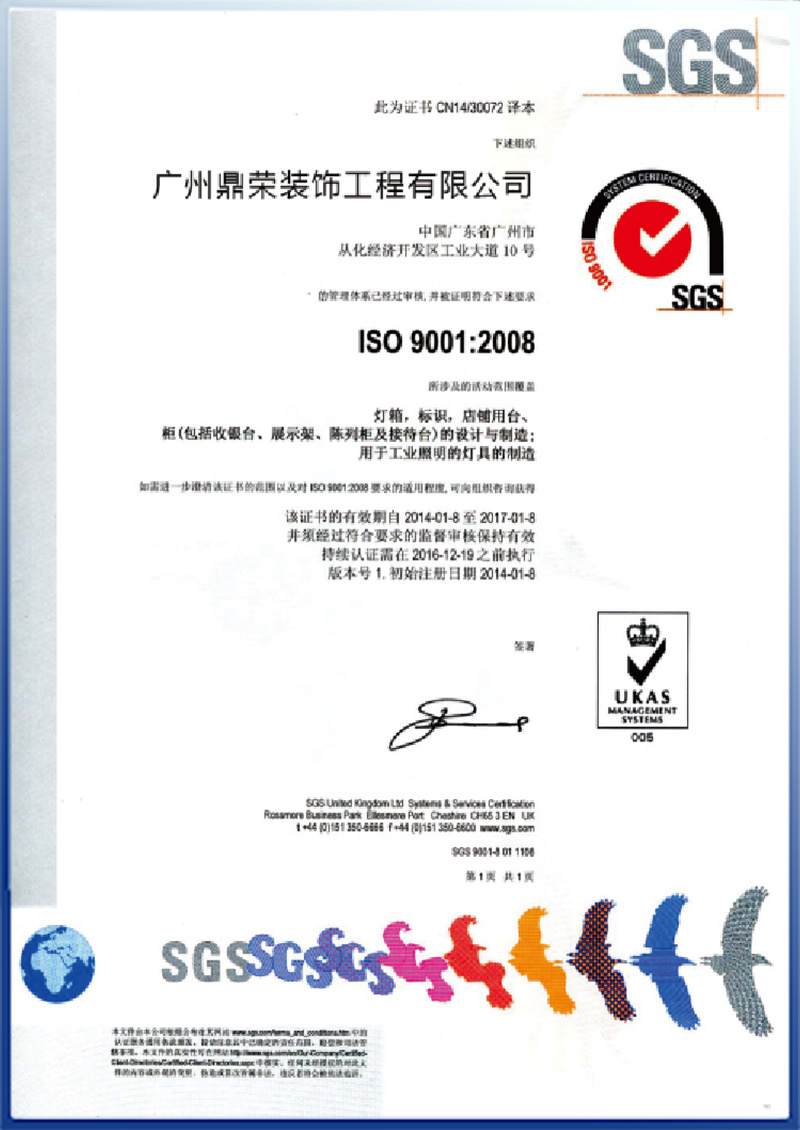
SGS International Certification.
ISO 9001, ISO 9000 (Quality Management) .
ISO 14001 (Environmental Management).
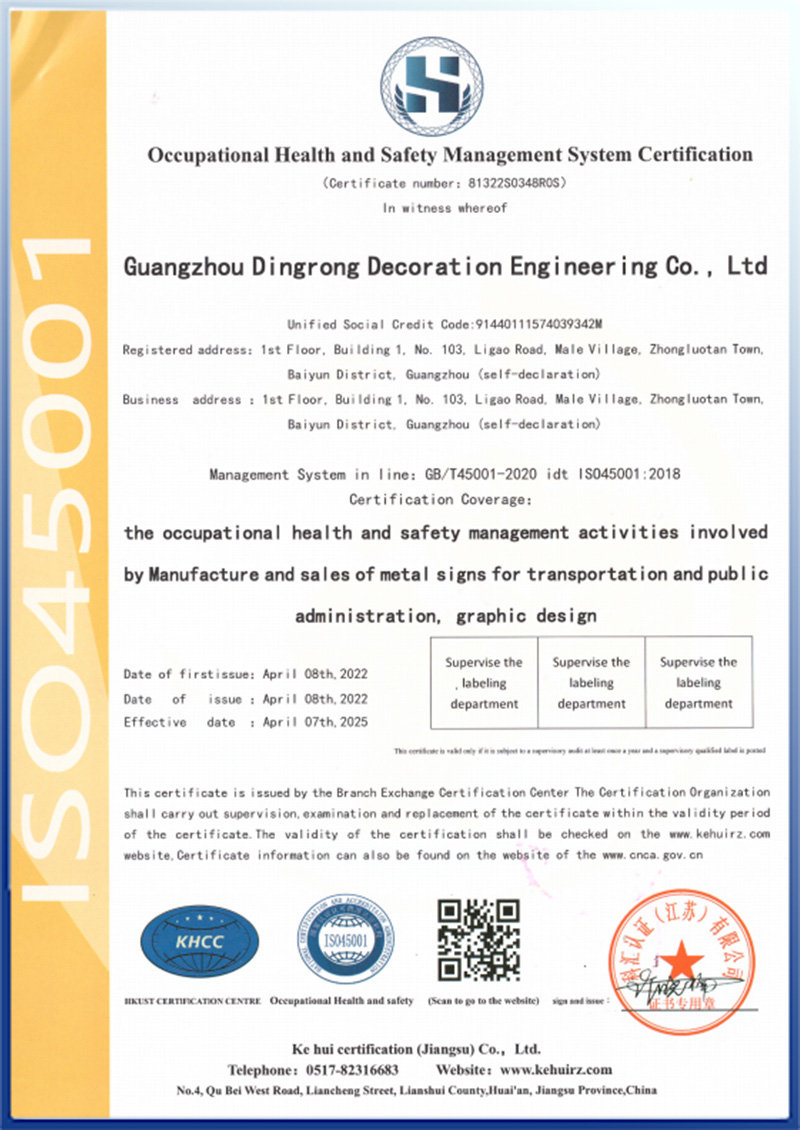
ISO 45001 (Occupational Health and Safety) .
We adhere to international production standards and hold triple-system certifications for quality, environment, and occupational health.
Creative and strategic branding solutions.
In-house manufacturing with state-of-the-art technology.
Efficient global distribution and seamless on-site implementation.
Reliable support to ensure long-term performance.
Factory Showcase
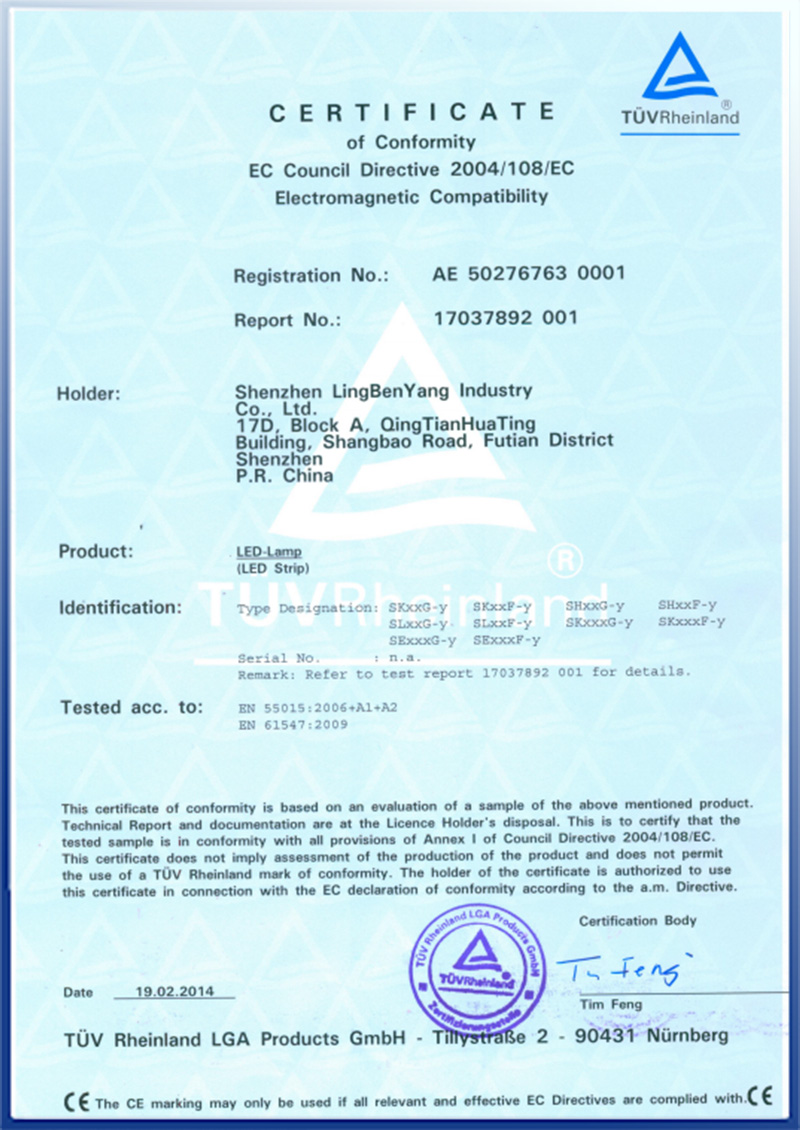
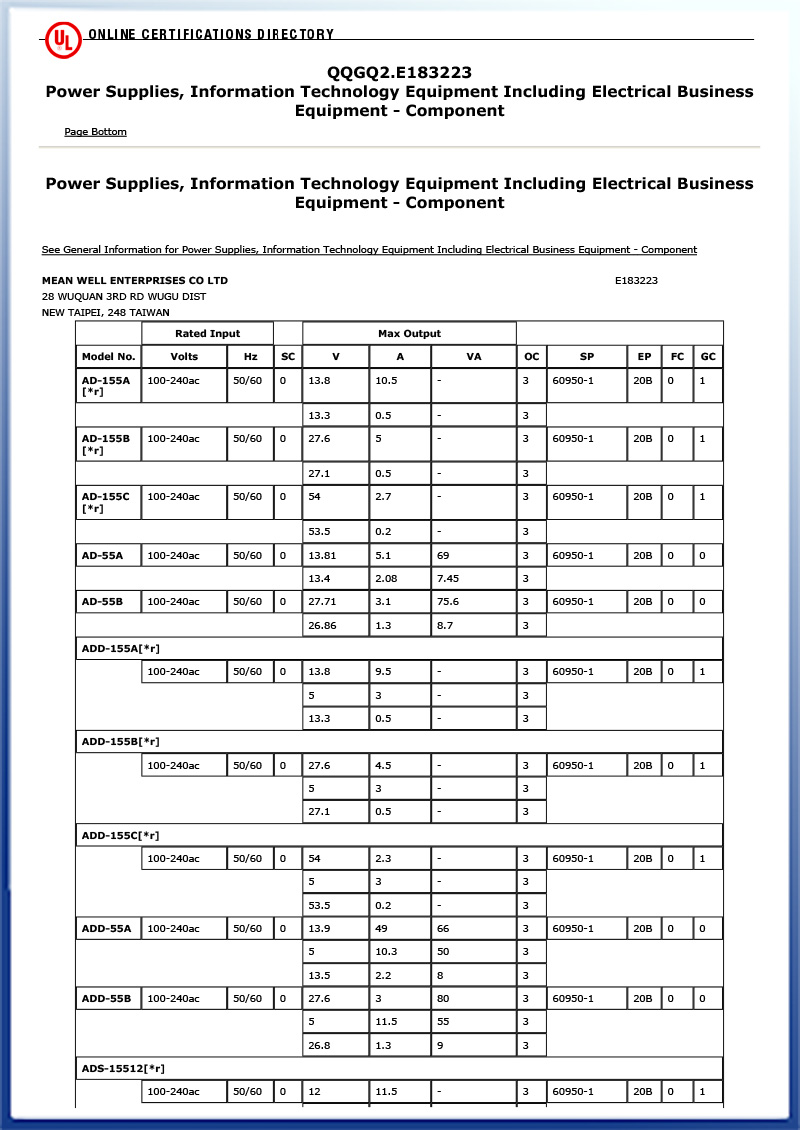
All electronic products undergo rigorous testing, including CE, UL, and RoHS certifications, and are subjected to a 48-hour 100% full-load aging test before shipment. We offer a 2-year warranty on all products, ensuring durability and customer satisfaction.
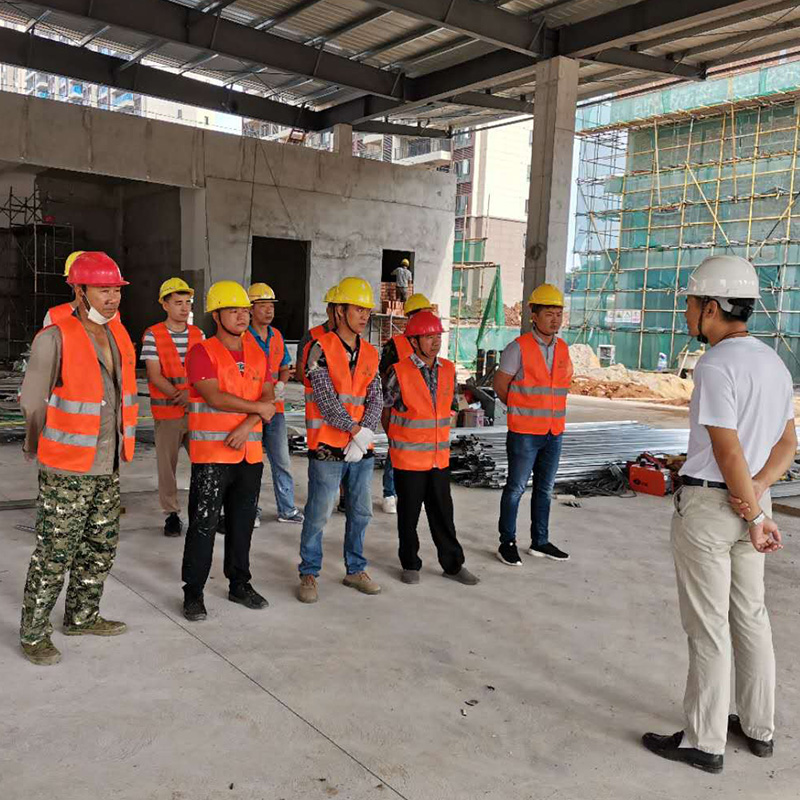
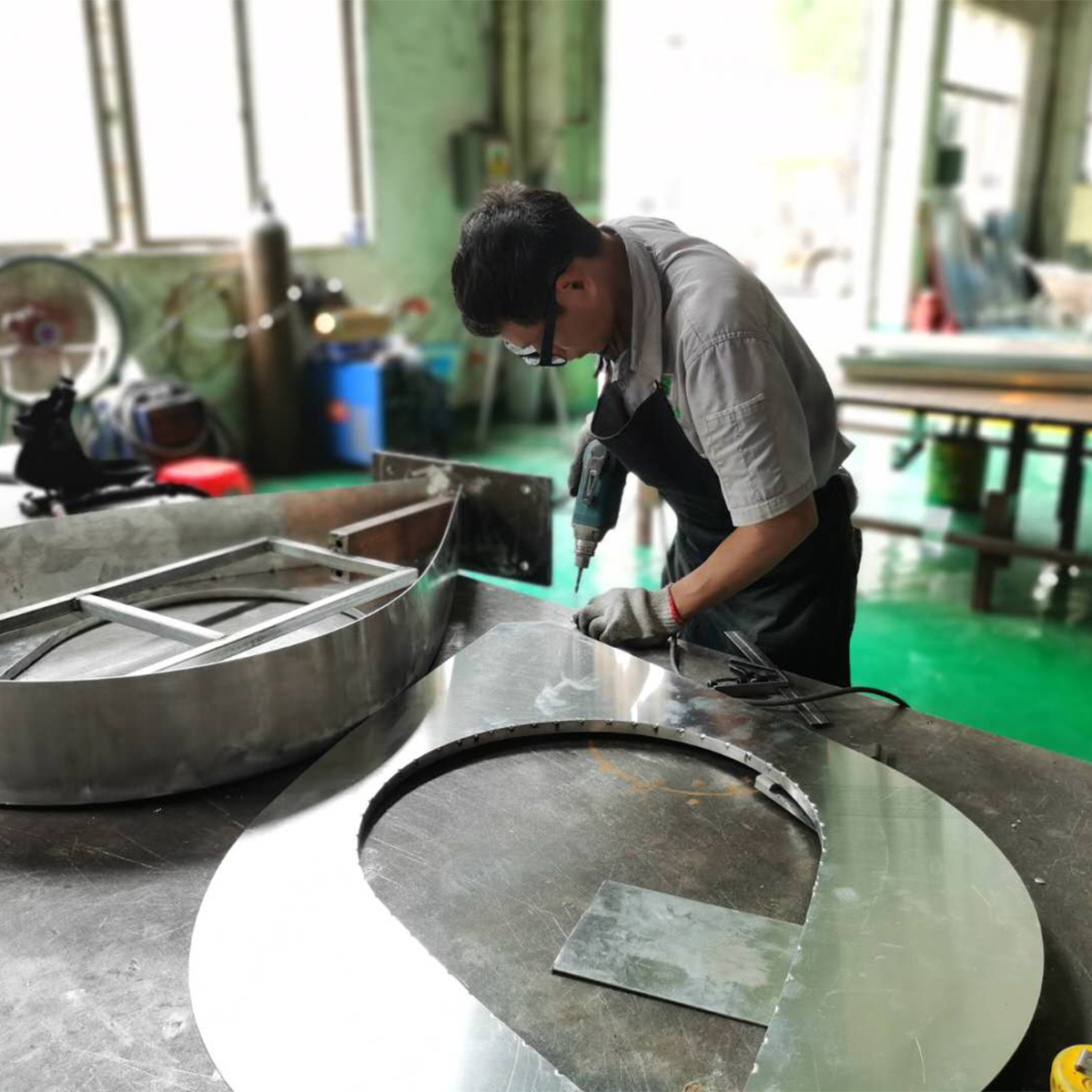
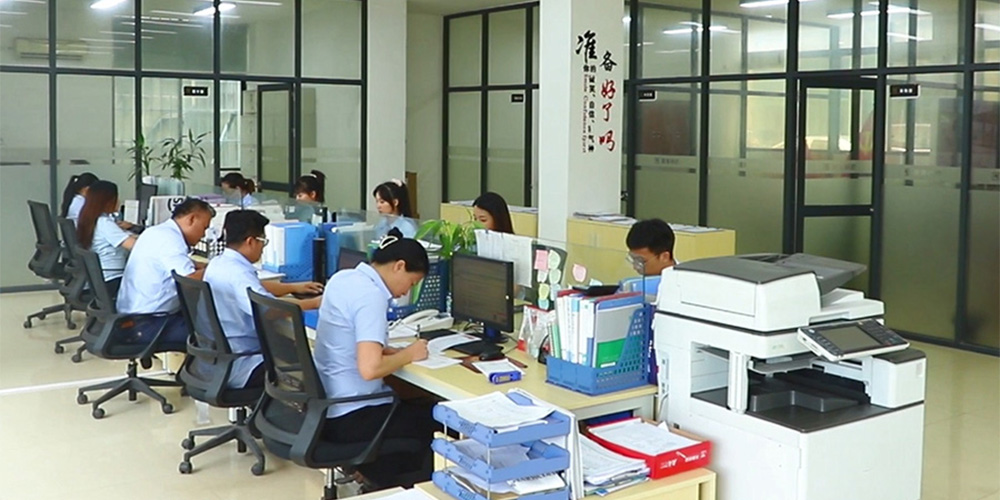
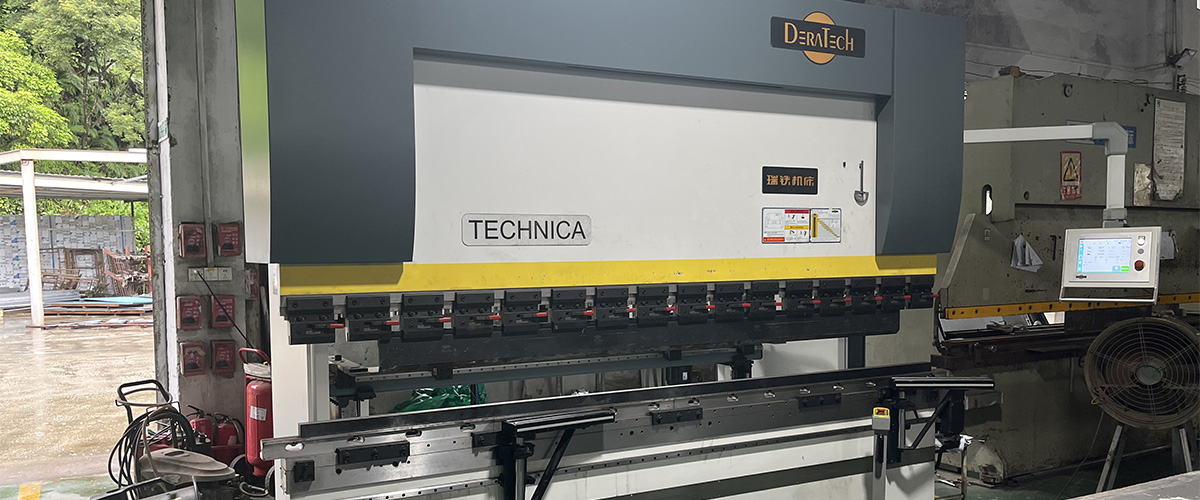
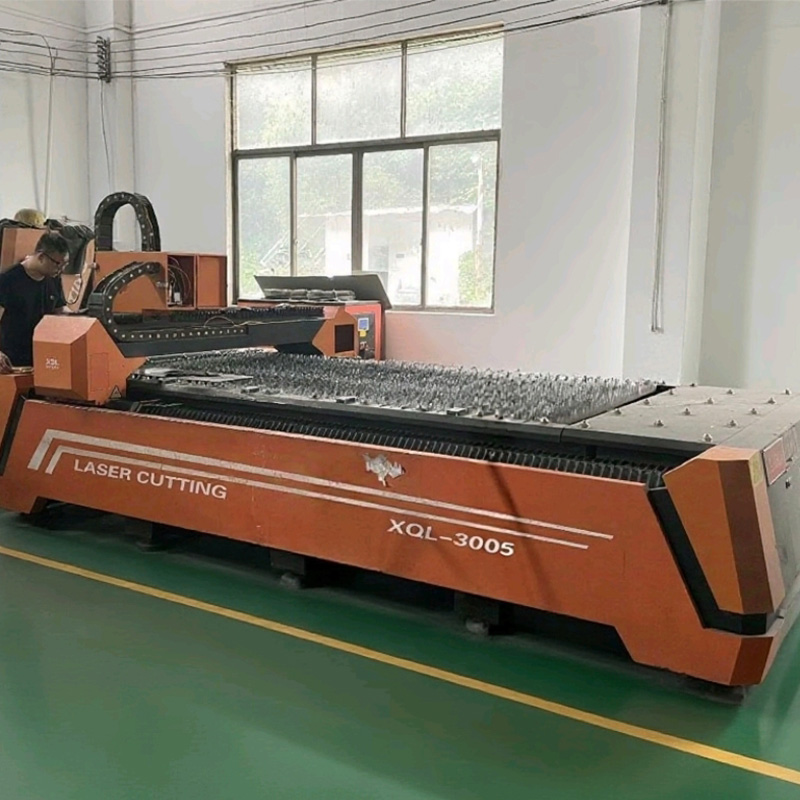
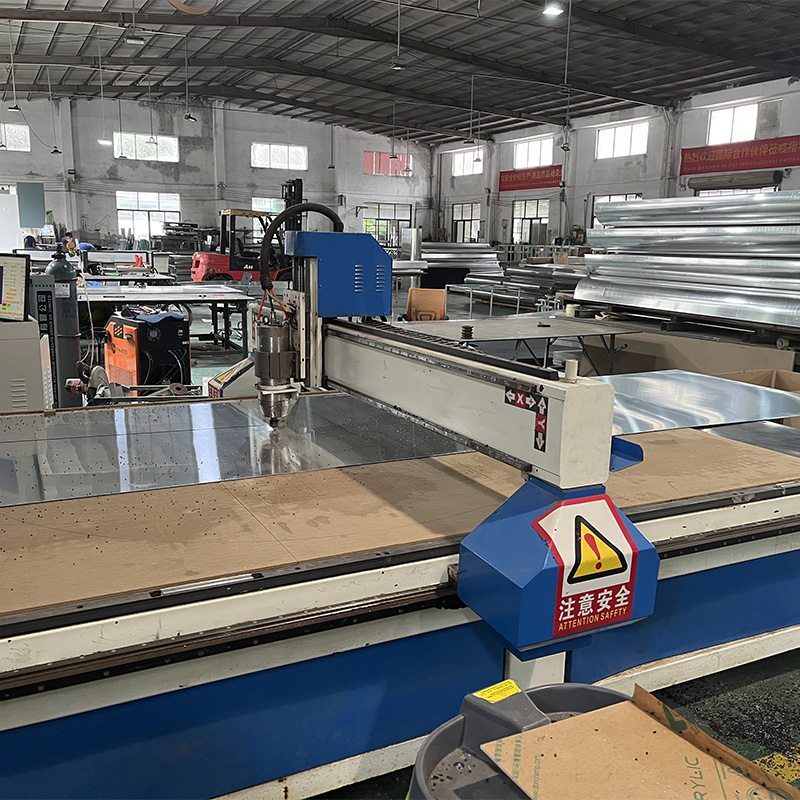
Our certified manufacturing processes ensure our 3D backlit canopy signs comply with international safety, environmental, and structural regulations.
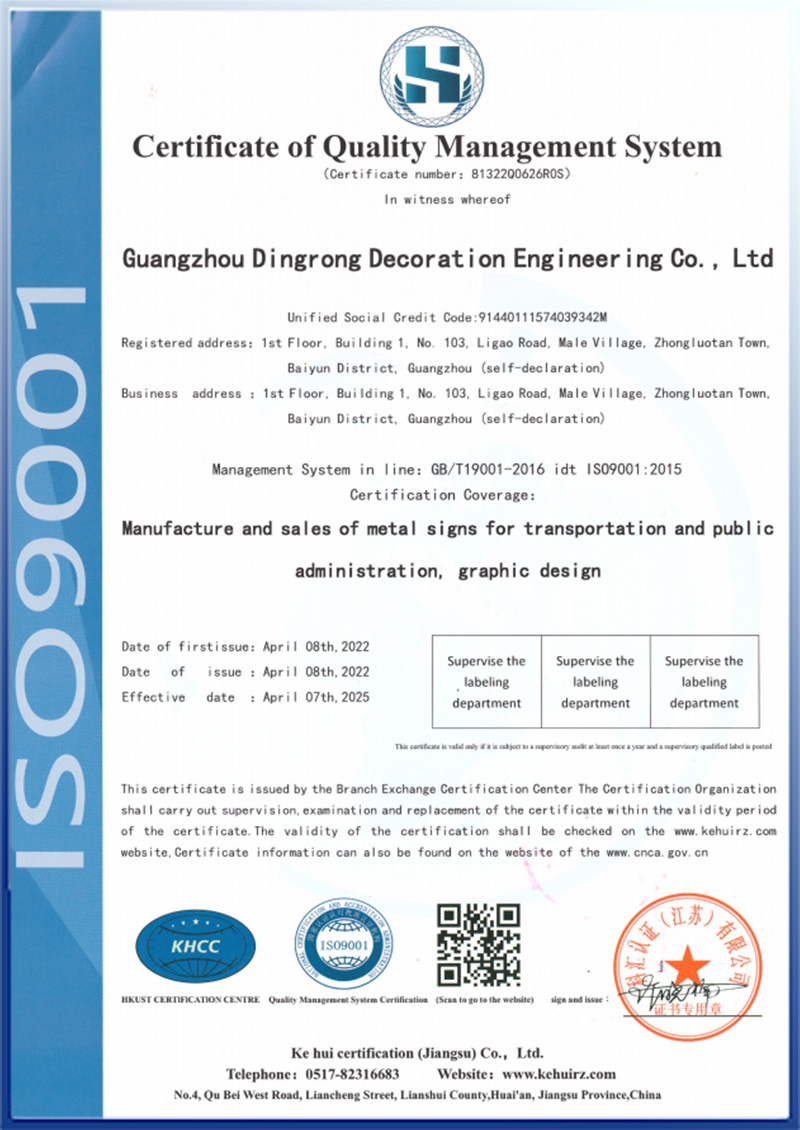
ISO 9001 approved production and design processes.
ISO 14001 certified manufacturing for green infrastructure.
ISO 45001 standards governing all assembly and field installations.
Compliance with European economic and safety standards.
Meets strict North American safety standards for electronic components.
Hazardous substance restriction compliance for eco-friendly signs.
Third-party verified engineering and production capabilities.
100% full-load electrical testing before global delivery.