
Leave Your Message
Airport Terminal Wayfinding
Subway Station Identification
High-Speed Rail Platform Sign
Bus Interchange Information
In the rapidly evolving landscape of urban infrastructure, 3D backlit signs for public transportation hubs have transitioned from mere informational boards to critical components of passenger experience and safety. Whether it’s an international airport, a sprawling metro network, or a high-speed rail terminal, the clarity and visibility of signage directly impact the efficiency of human flow. Today’s commercial and industrial standards for transportation signage demand not only aesthetic appeal but also extreme durability and energy efficiency.
The industrial status of 3D backlit signage is currently defined by the integration of LED technology and precision CNC engineering. Manufacturers are now focusing on "Smart Signage" that can withstand 24/7 operation in harsh environments—ranging from the humidity of underground tunnels to the intense UV exposure of outdoor bus terminals. As global travel resumes its upward trajectory, the demand for high-contrast, halo-lit 3D lettering has surged, as these provide superior legibility from long distances and wide angles.
The global market for transportation signage is expected to grow by 6.5% annually, driven by smart city initiatives and the modernization of aging transit facilities.
Backlit technology now utilizes high-lumen, low-heat LEDs that reduce energy consumption by up to 40% compared to traditional neon or fluorescent lighting.

Years Industry Experience
Factory area
cooperative customers
team members
The future of 3D backlit sign for public transportation hubs is being shaped by three major trends: sustainability, digitalization, and inclusive design. As governments push for carbon neutrality, signage manufacturers are adopting recyclable materials like aluminum and eco-friendly acrylics. Furthermore, the "Halo-lit" effect—where light emanates from the back of the 3D letter—is becoming the gold standard because it minimizes glare, which is essential for elderly passengers and those with visual impairments.
Another significant trend is the synchronization of physical signage with digital ecosystems. Modern hubs are integrating QR codes and NFC sensors into the 3D structures of backlit signs, allowing passengers to scan a sign and receive real-time gate updates or indoor navigation on their smartphones. This hybrid approach ensures that even if digital screens fail, the permanent, high-visibility 3D backlit sign remains as a reliable guide.
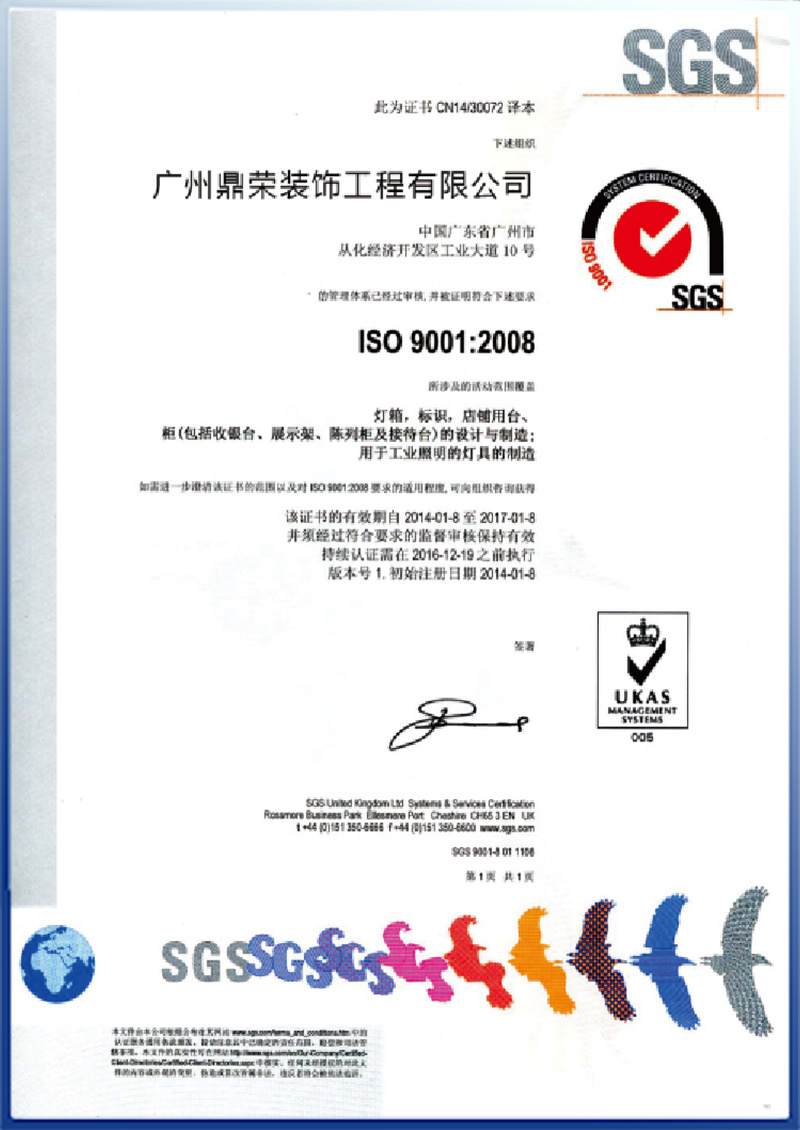
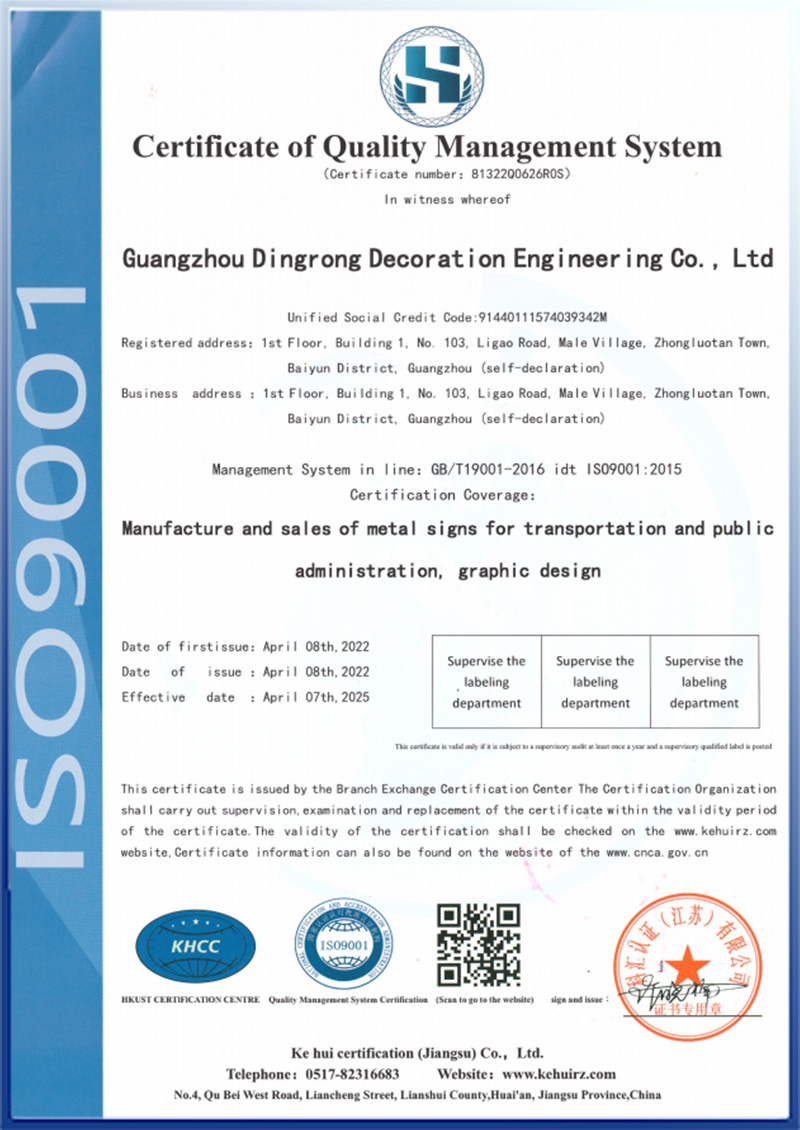
Our commitment to quality and innovation is reflected in our certifications:
SGS International Certification.
ISO 9001, ISO 9000 (Quality Management) .
ISO 14001 (Environmental Management).
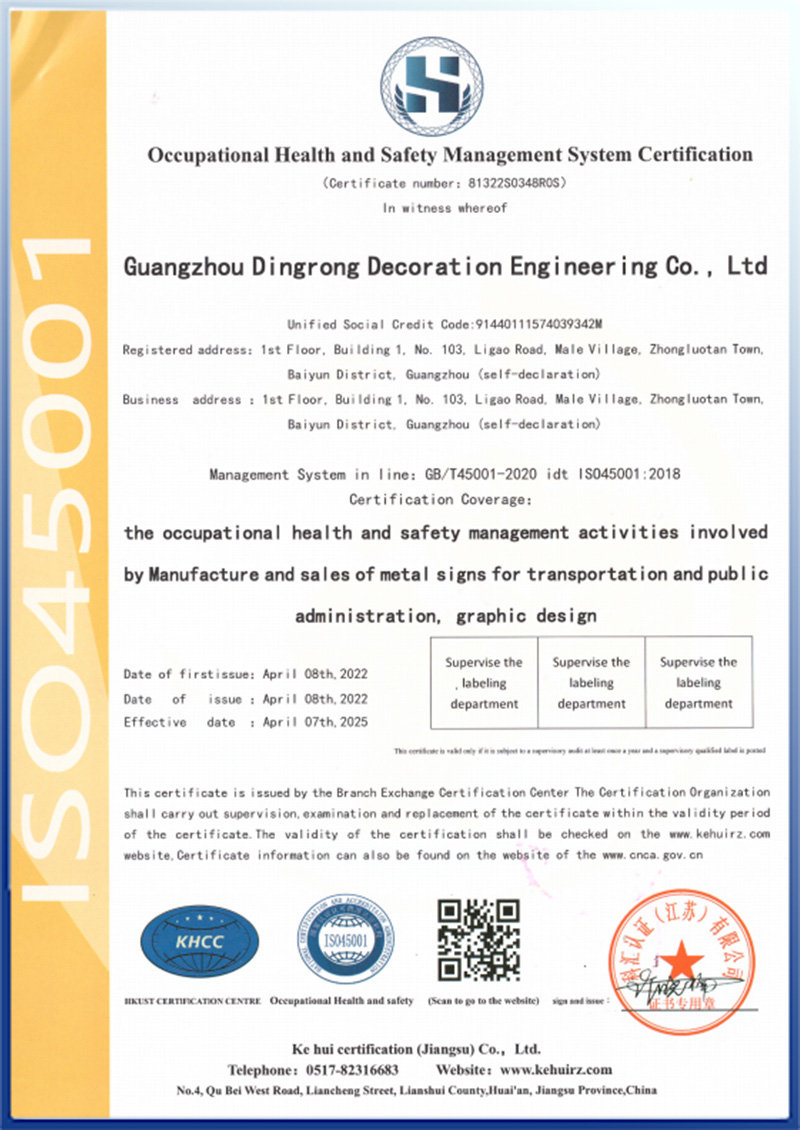
ISO 45001 (Occupational Health and Safety) .
We adhere to international production standards and hold triple-system certifications for quality, environment, and occupational health.

Creative and strategic branding solutions.

In-house manufacturing with state-of-the-art technology.

Efficient global distribution and seamless on-site implementation.

Reliable support to ensure long-term performance.
In complex environments like international airports, 3D backlit signs serve as primary navigation anchors. Unlike flat signs, the depth of 3D lettering allows for parallax visibility, meaning passengers can identify the sign while approaching from a side angle. Backlighting provides a "floating" effect that separates the text from busy architectural backgrounds, reducing visual clutter.
During power outages or emergency scenarios, the reliability of a 3D backlit sign for public transportation hubs is paramount. By utilizing independent battery backups and high-contrast color temperatures (typically 6000K-6500K), these signs remain visible through smoke or dim light, guiding passengers to safety exits more effectively than standard printed signs.
Transportation hubs are often the "gateway" to a city. Custom 3D backlit signage allows municipal authorities to incorporate local branding, fonts, and colors into the transit infrastructure. This creates a sense of place and professionalism, enhancing the overall perception of the city's public services.
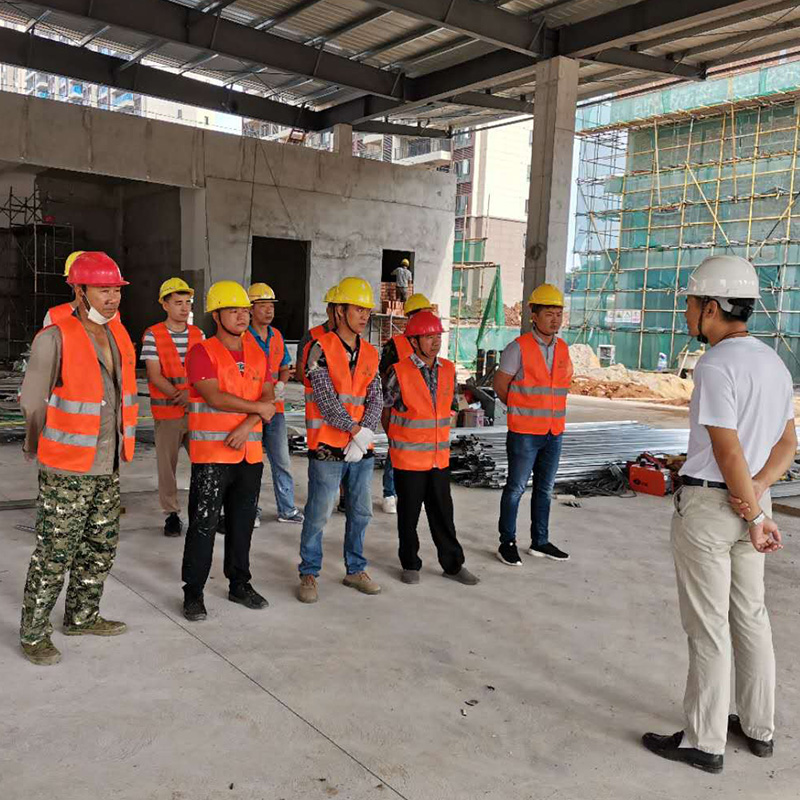
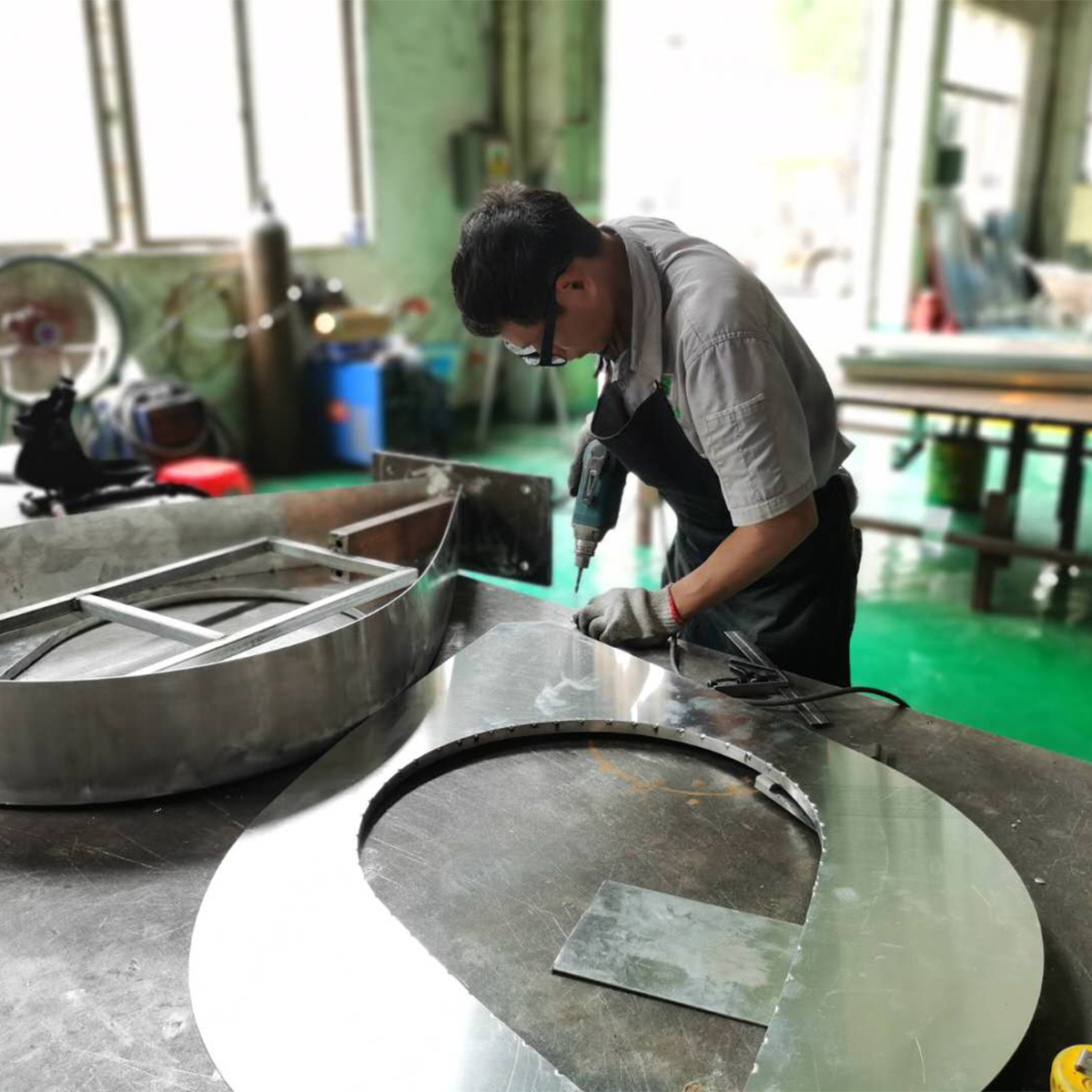
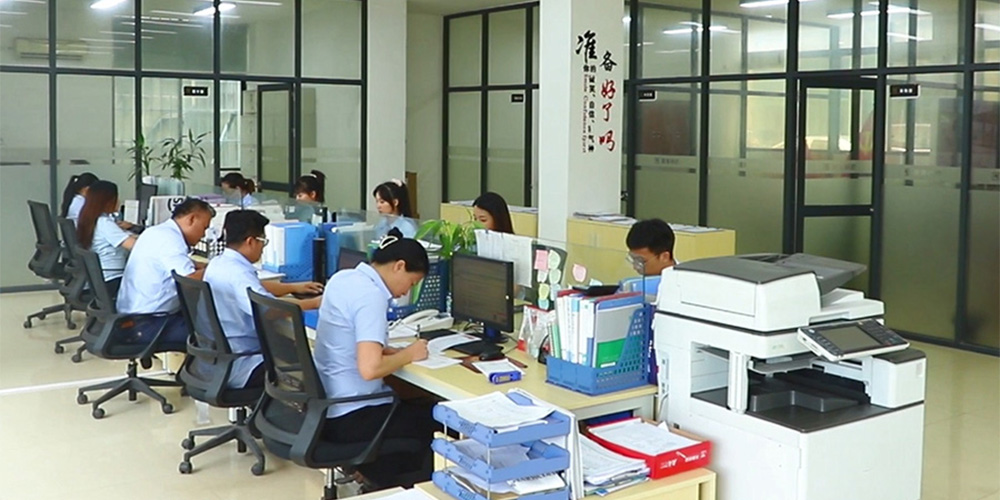
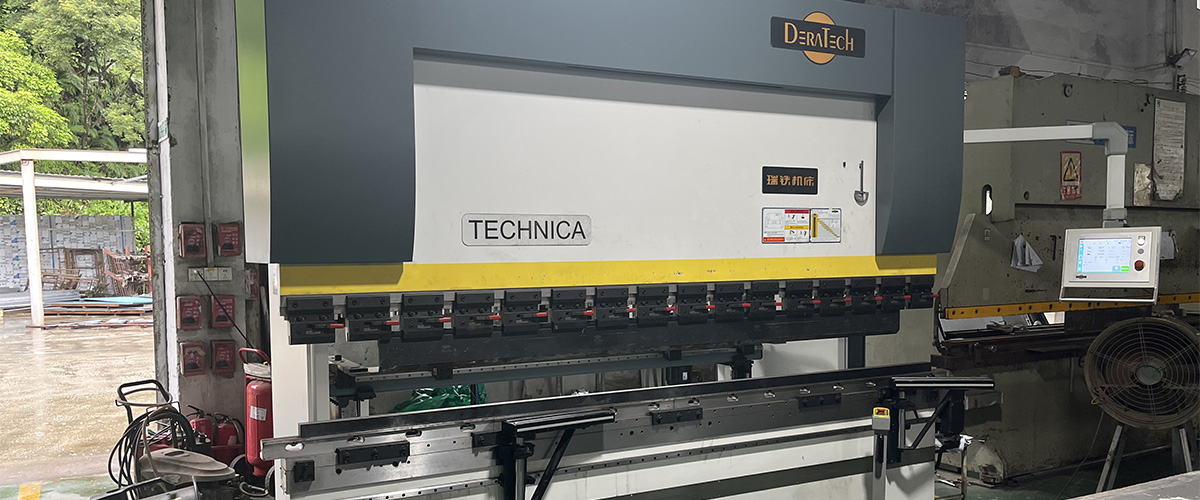
Factory Showcase
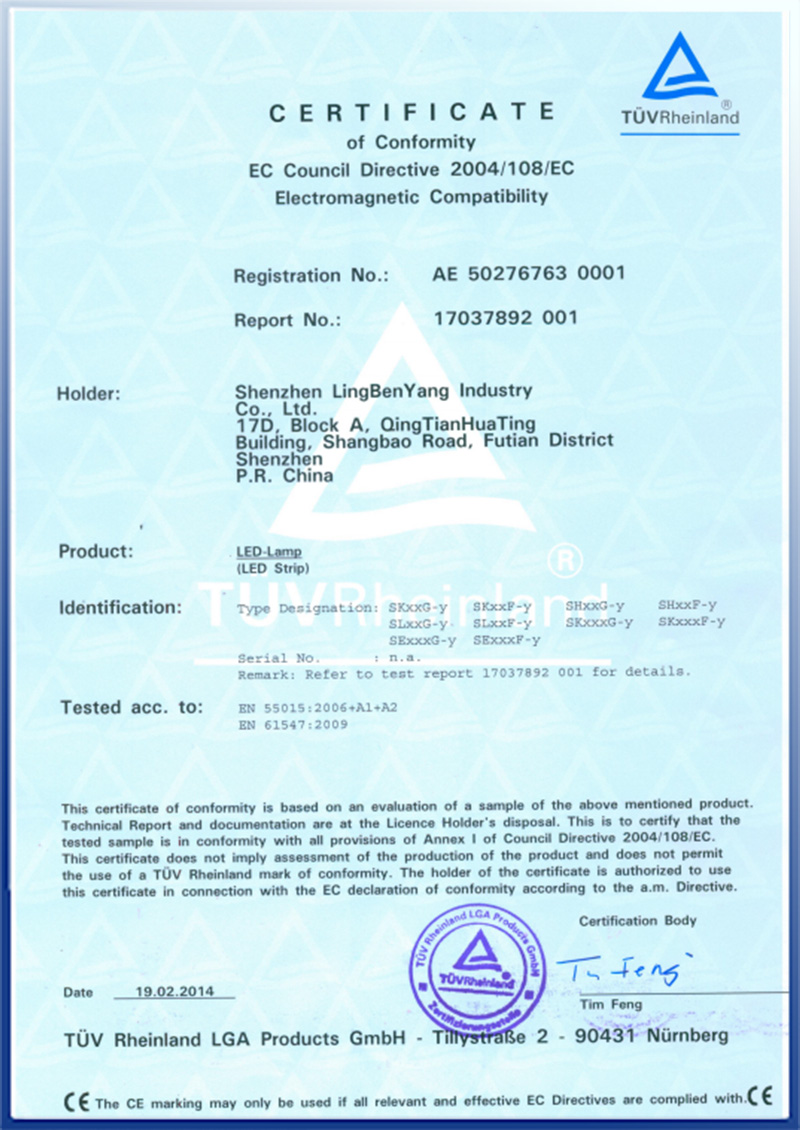
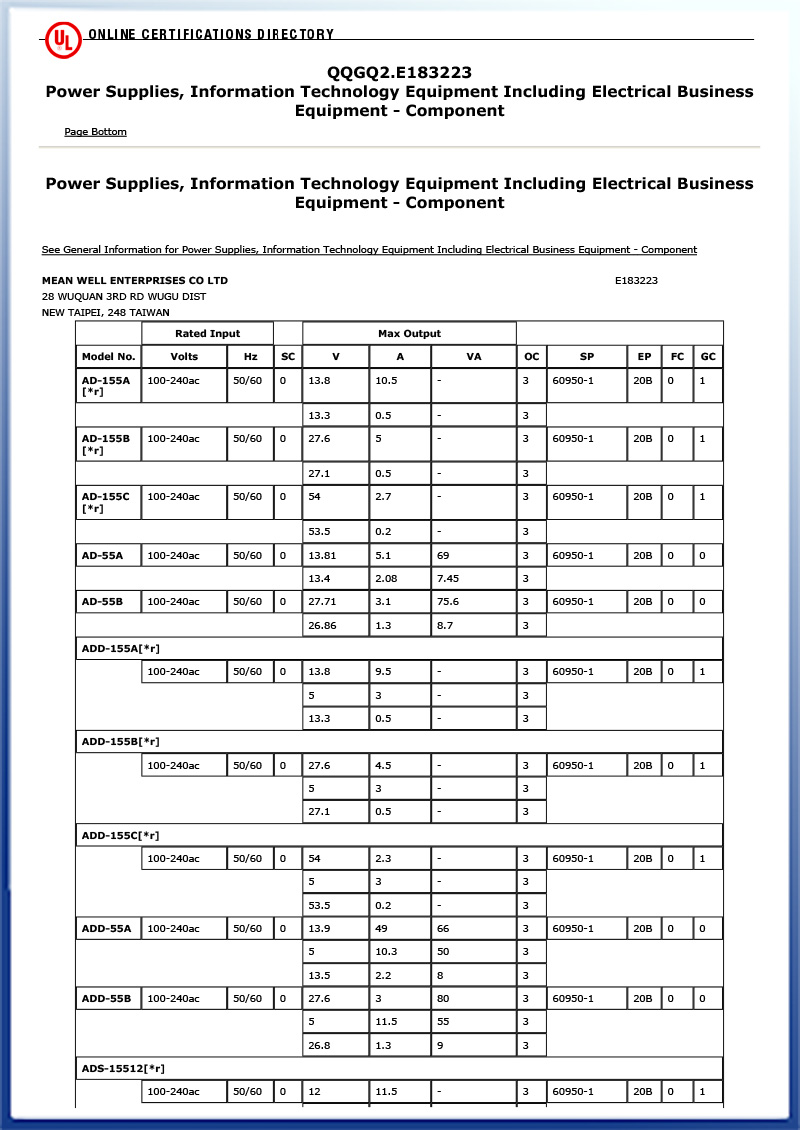
All electronic products undergo rigorous testing, including CE, UL, and RoHS certifications, and are subjected to a 48-hour 100% full-load aging test before shipment. We offer a 2-year warranty on all products, ensuring durability and customer satisfaction.
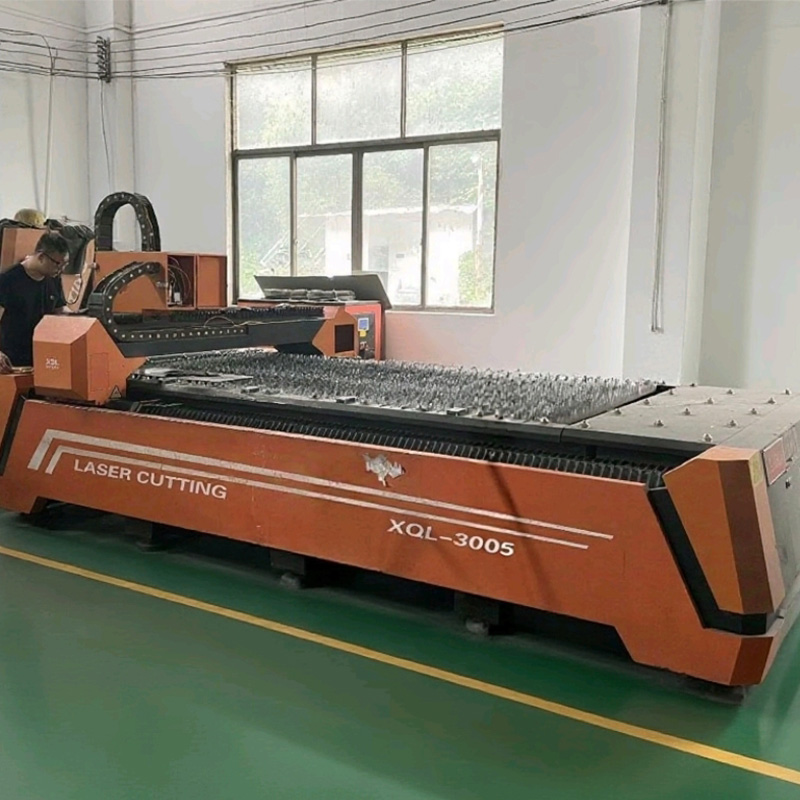
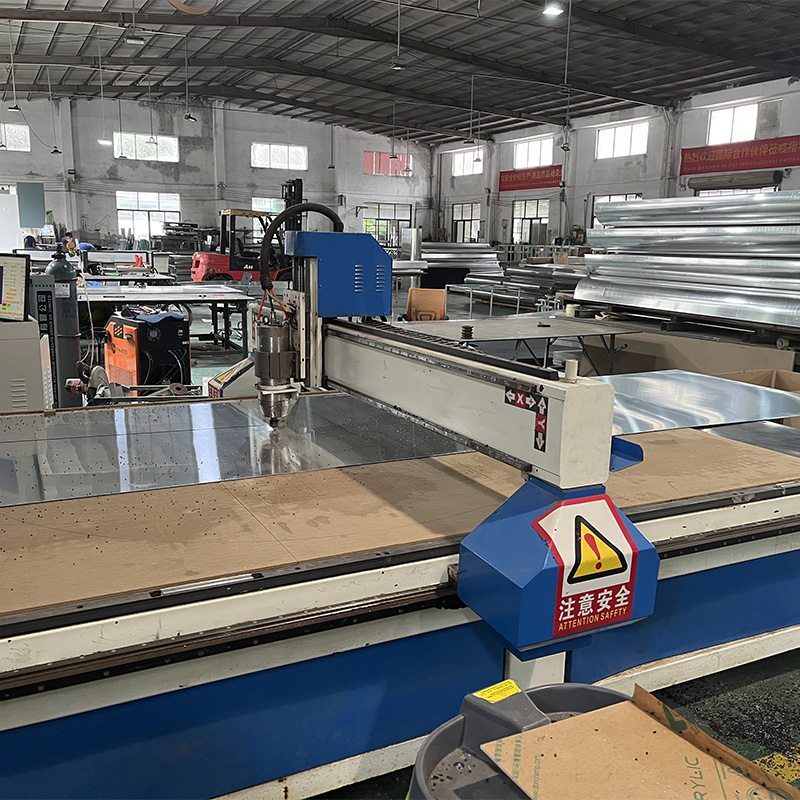
When selecting a 3D backlit sign for public transportation hubs, engineering specifications are non-negotiable. At ZZC, our manufacturing process involves high-grade 304 or 316 stainless steel for letter shells to prevent corrosion in coastal or high-pollution urban areas. The face or back panels are typically made from vacuum-formed acrylic with UV-stabilized coatings to prevent yellowing over time.
Our LED modules are IP67-rated, ensuring they remain waterproof and dustproof. For public hubs, we also offer "Anti-Vandalism" designs, where the signage components are secured with tamper-proof fixings and the materials are impact-resistant. This level of industrial-grade engineering ensures that the signage remains a permanent, maintenance-free asset for decades.
Subway Exit Signage
Airport Gate Indicator
Railway Platform Number
Bus Terminal Map Sign
Custom Transit Iconography
Directional LED Lettering
Certified Safety Signage
International Standard Logo