Leave Your Message
 Core Gas Station Light Box Solutions
Comprehensive end-to-end manufacturing and strategic branding solutions tailored specifically for modern gas stations and energy hubs globally.

Creative and strategic branding solutions focused on maximizing visual impact for fuel retail environments through innovative light box integration.

In-house manufacturing with state-of-the-art technology, producing ultra-bright, weather-resistant LED light boxes for gas station canopies.

Efficient global distribution and seamless on-site implementation ensuring your advertising light boxes are delivered and installed safely.

Reliable maintenance support and predictive AI diagnostics to ensure long-term performance and zero downtime for your branding assets.
The global landscape of gas station branding is currently undergoing a monumental shift. Historically, gas stations were perceived merely as utility stops—functional locations where drivers reluctantly paused to refuel before continuing their journeys. However, the modern fuel retail sector has aggressively evolved into a highly competitive commercial ecosystem. Today, gas stations operate as comprehensive convenience hubs, offering gourmet food, premium coffee, automated car washes, and, increasingly, Electric Vehicle (EV) charging stations. In this fiercely contested market, Advertising Light Boxes for Gas Station Branding have emerged as the paramount visual tool for capturing consumer attention, driving foot traffic, and establishing unwavering brand loyalty.
From an industrial perspective, the signage and light box manufacturing sector has had to rapidly adapt to the rigorous demands of global petroleum conglomerates. Independent station owners and multinational fuel brands alike recognize that the luminous glow of an advertising light box is often the first point of interaction between the brand and the motorist. A well-illuminated, aesthetically superior gas station conveys safety, cleanliness, and premium quality. Conversely, a poorly lit or malfunctioning sign instantly degrades consumer trust, often resulting in drivers bypassing the station entirely in favor of a brighter competitor down the road. This psychological reliance on illumination has transformed advertising light boxes from optional aesthetic upgrades into critical infrastructure assets that directly influence daily revenue.
Furthermore, the industrial status of gas station light boxes is heavily regulated by stringent safety and environmental standards. Because these light boxes operate in environments with highly flammable materials, manufacturers must adhere to rigorous explosion-proof certifications, IP65/IP68 waterproof ratings to withstand severe weather conditions, and robust wind-load resistance for towering pylon signs. The intersection of heavy industrial engineering and refined commercial branding is where top-tier signage manufacturers excel, providing solutions that are not only visually breathtaking but fundamentally safe and durable.
As we look toward the future of advertising light boxes for gas station branding, several key development trends are emerging, largely driven by technological advancements, Artificial Intelligence (AI), and a global push toward environmental sustainability. The traditional fluorescent tube light boxes, which were notorious for high energy consumption, frequent flickering, and uneven illumination, have been entirely rendered obsolete. The industry has firmly transitioned into the era of smart LED technology, and the innovation curve is only accelerating.
1. AI-Driven Dynamic Illumination: One of the most exciting trends is the integration of AI sensors into advertising light boxes. Modern smart light boxes can dynamically adjust their brightness based on ambient light conditions, weather patterns, and even time of day. This AI technology not only ensures optimal visibility—cutting through dense fog or heavy rain—but also significantly reduces energy consumption during twilight hours, extending the lifespan of the LED modules.
2. Eco-Friendly and Solar-Powered Solutions: With global petroleum brands striving to achieve carbon-neutral operations, the demand for sustainable signage is skyrocketing. Manufacturers are now utilizing recyclable acrylics, aluminum frames crafted from upcycled materials, and integrating high-efficiency solar panels directly into the pylon signs. These solar-powered advertising light boxes operate independently of the main grid, providing uninterrupted branding even during power outages while drastically lowering operational costs.
3. Modular Design and Predictive Maintenance: The industrial trend is shifting heavily towards modularity. Instead of replacing an entire light box when a component fails, modern designs allow for hot-swapping LED strips or power supplies within minutes. Furthermore, advanced light boxes are now equipped with IoT (Internet of Things) chips that monitor the health of the electrical components. These systems can send predictive maintenance alerts to facility managers, warning them of potential failures before the light box actually goes dark, ensuring 100% brand uptime.
4. Digital Integration and Programmatic Advertising: Blurring the lines between static light boxes and digital displays, the latest iterations feature hybrid designs. While the main brand logo remains a brightly illuminated static element, integrated high-definition LED screens allow gas stations to run programmatic advertising for in-store promotions, loyalty programs, or dynamic fuel pricing, creating a multi-layered branding experience that maximizes Return on Investment (ROI).
To truly understand the impact of advertising light boxes for gas station branding, we must dissect their specific application scenarios across the facility. A cohesive branding strategy utilizes a symphony of different light boxes, each serving a distinct psychological and navigational purpose for the consumer.
The Primary Pylon Sign (Totem): This is the colossal beacon of the gas station, often towering dozens of meters into the air. Visible from miles away on high-speed highways, the pylon light box is the ultimate traffic driver. It must feature ultra-high brightness and flawless color consistency to ensure the brand's logo is instantly recognizable. These structures endure immense environmental stress, requiring heavy-duty steel engineering combined with UV-resistant flex-face or rigid acrylic panels to prevent yellowing over time.
Canopy Fascia Light Boxes: The canopy is the architectural crown of the gas station. Wrapping the perimeter of the canopy with continuous, seamless advertising light boxes creates a safe, welcoming halo of light over the fueling islands. This application scenario is crucial for night-time operations. The uniform illumination eliminates dark shadows, fostering a sense of security that is particularly important for late-night travelers. The precision of the light distribution here reflects the premium nature of the brand.
Pump Island Toppers and Spanners: Once the driver has pulled into the station, the micro-level branding takes over. Advertising light boxes positioned directly on top of the fuel dispensers or spanning between the columns are prime real estate for point-of-purchase (POP) marketing. These eye-level light boxes are incredibly effective at converting fuel-only customers into convenience store shoppers by highlighting high-margin items like premium beverages, snacks, or car wash bundles.
Convenience Store (C-Store) Facade and Window Signage: The facade of the convenience store relies on sleek, architectural light boxes to draw customers inside. High-contrast channel letters backed by sophisticated light box technology make the store look modern and inviting. Additionally, ultra-thin window light boxes are used to display high-resolution promotional graphics that can be easily updated, turning the store's exterior into a dynamic advertising canvas.
Directional and EV Charging Signage: As gas stations transition into comprehensive energy hubs, clear directional light boxes are essential for traffic flow. Guiding drivers smoothly to the air/water stations, automated car washes, or the newly integrated EV charging bays prevents congestion. EV charging stations, in particular, require their own distinct branding light boxes, often utilizing green or blue LED spectrums to communicate eco-friendliness and high-tech energy solutions.
About Us
Founded in 2011, ZZC is DingRong Group (Zhongzhicheng-ZZC) brings over 15 years of expertise in manufacturing and engineering, specializing in comprehensive sign solutions for global clients. We are a large factory with a production area of 20,000 square meters, we are a full-service sign manufacturer capable of delivering end-to-end projects for diverse industries, including gas stations, retail spaces, and public facilities.
Years Industry Experience
Factory Area (sqm)
Cooperative Customers
Team Members
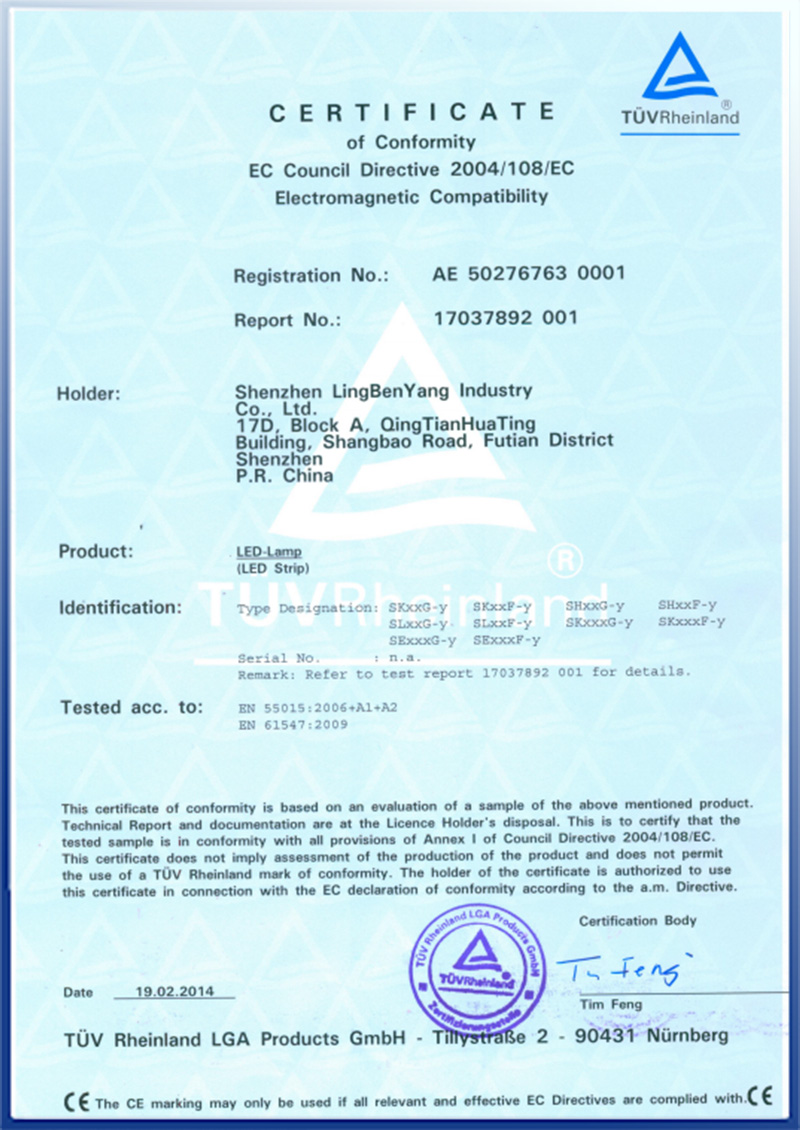
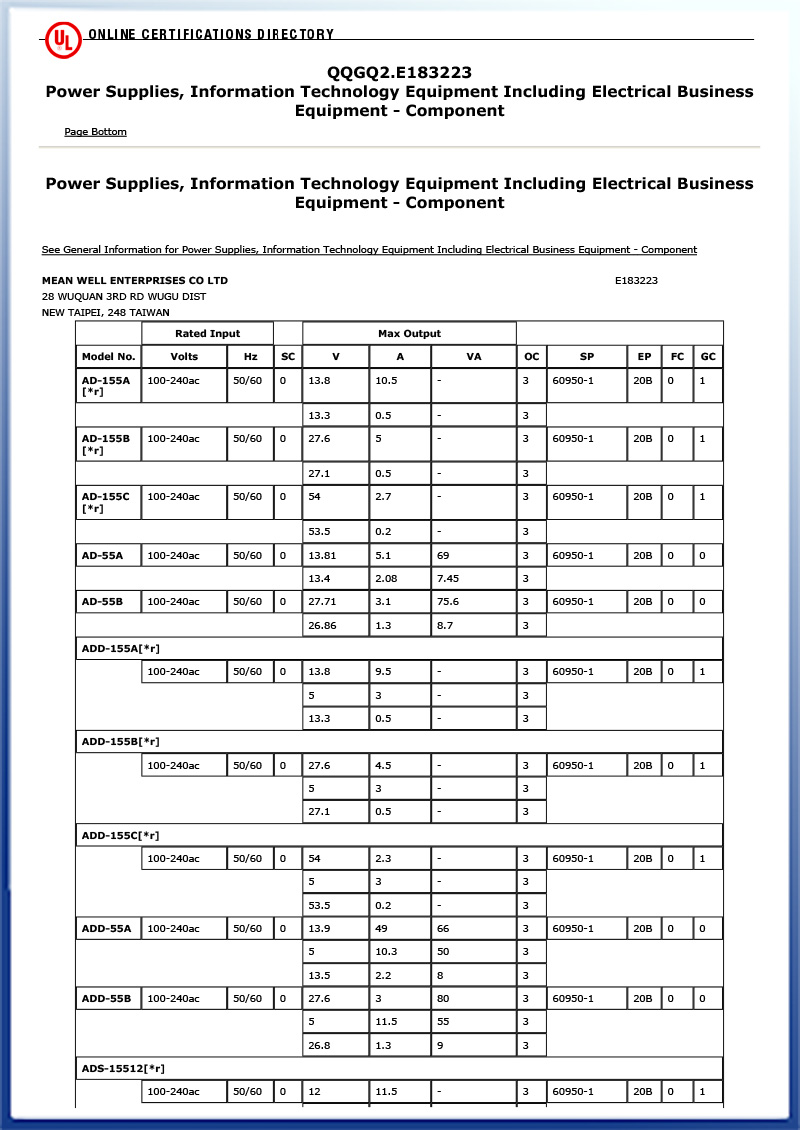
All electronic products undergo rigorous testing, including CE, UL, and RoHS certifications, and are subjected to a 48-hour 100% full-load aging test before shipment. We offer a 2-year warranty on all products, ensuring durability and customer satisfaction.
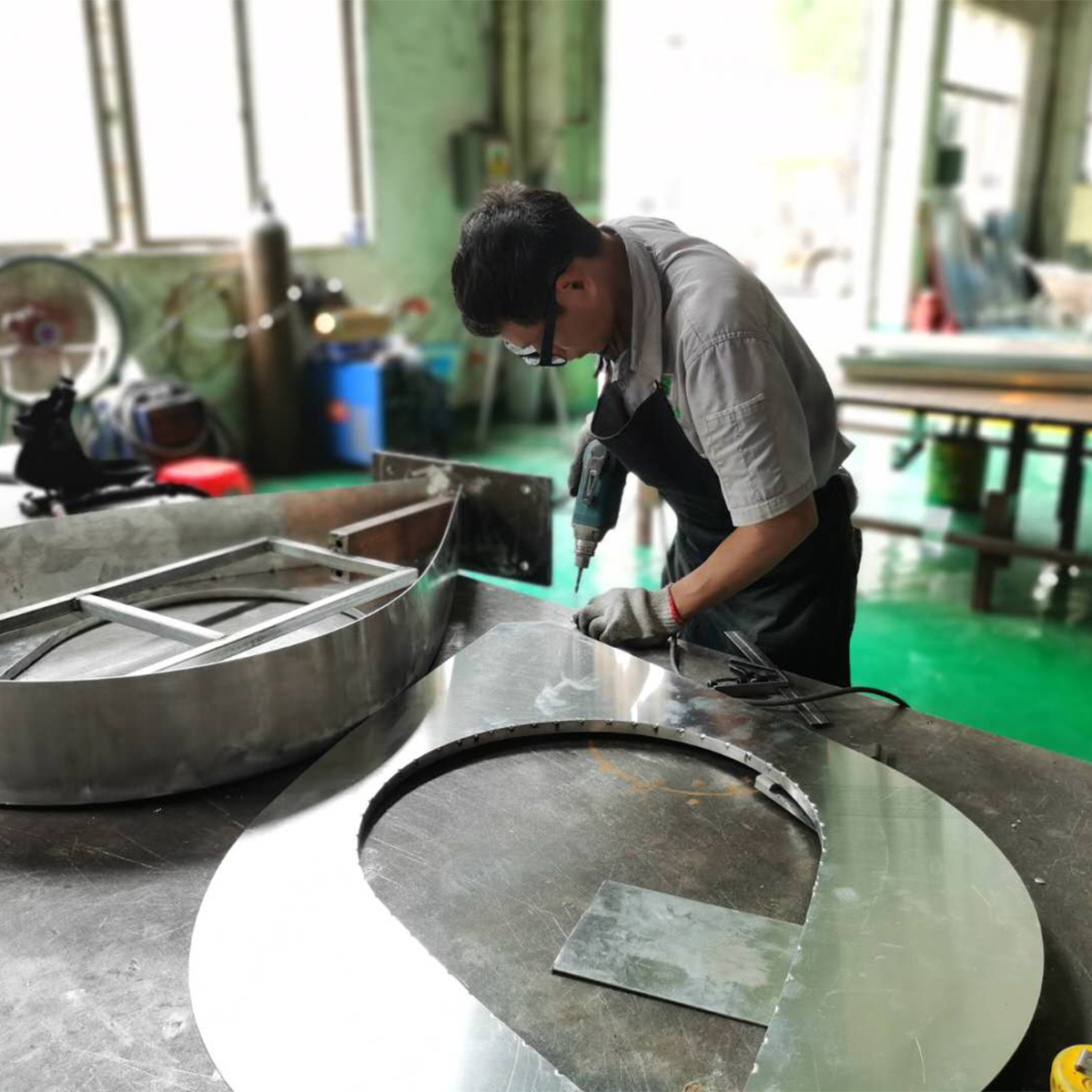
Precision assembly of LED modules for canopy light boxes.
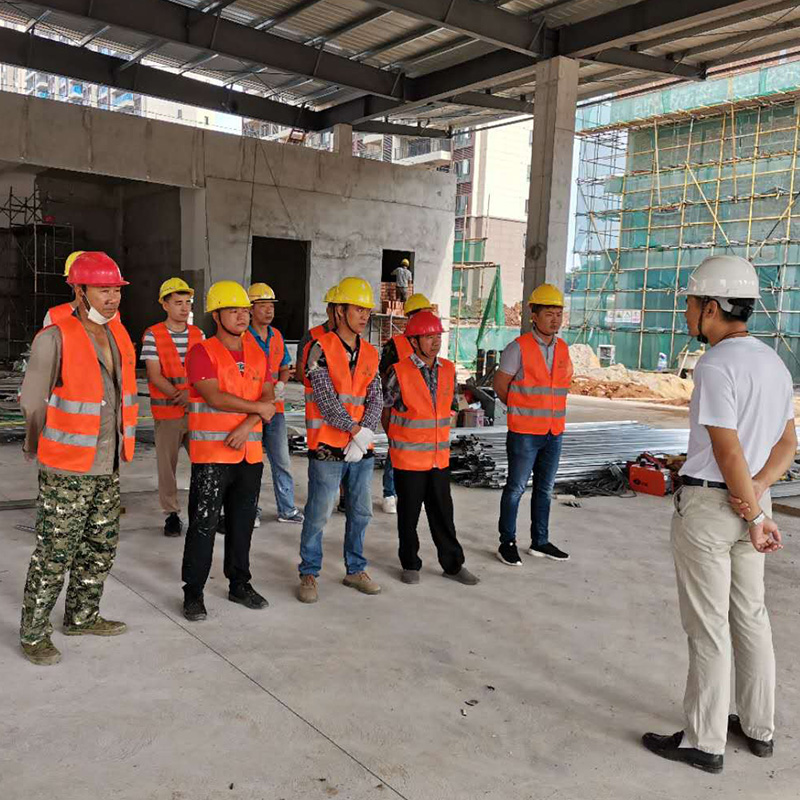
Heavy-duty structural engineering for towering gas station signs.
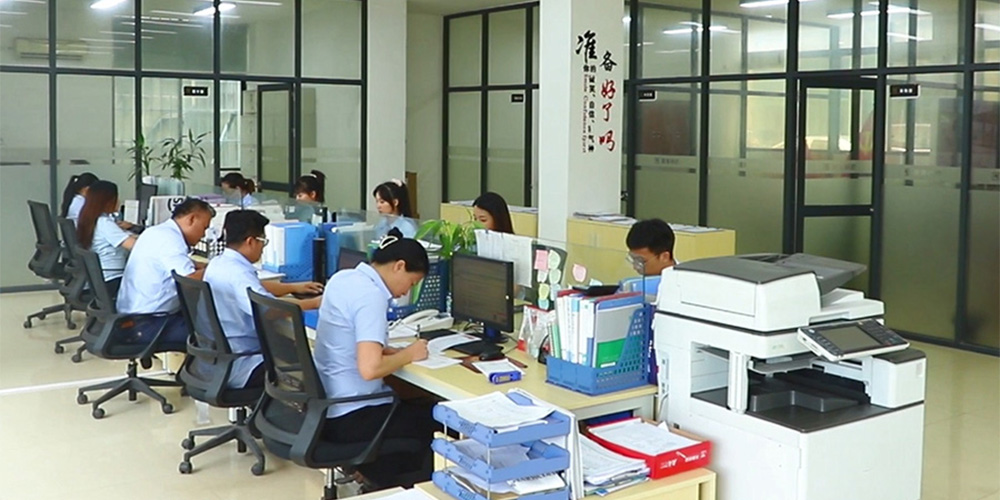
Rigorous 48-hour aging and weather resistance tests.
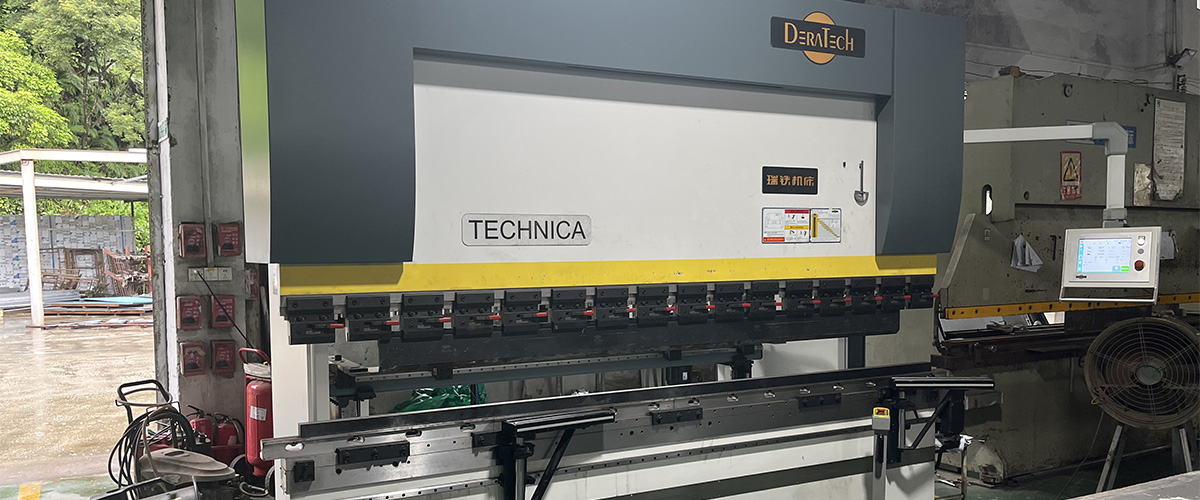
Embedding intelligent sensors for dynamic brightness control.
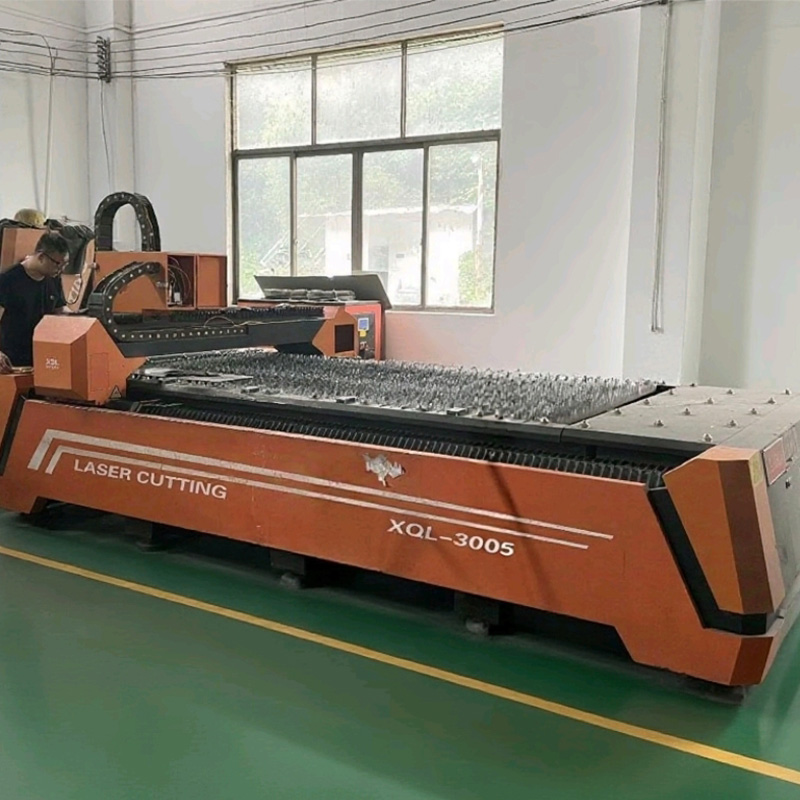
Creating seamless, 3D acrylic faces for pump island signs.
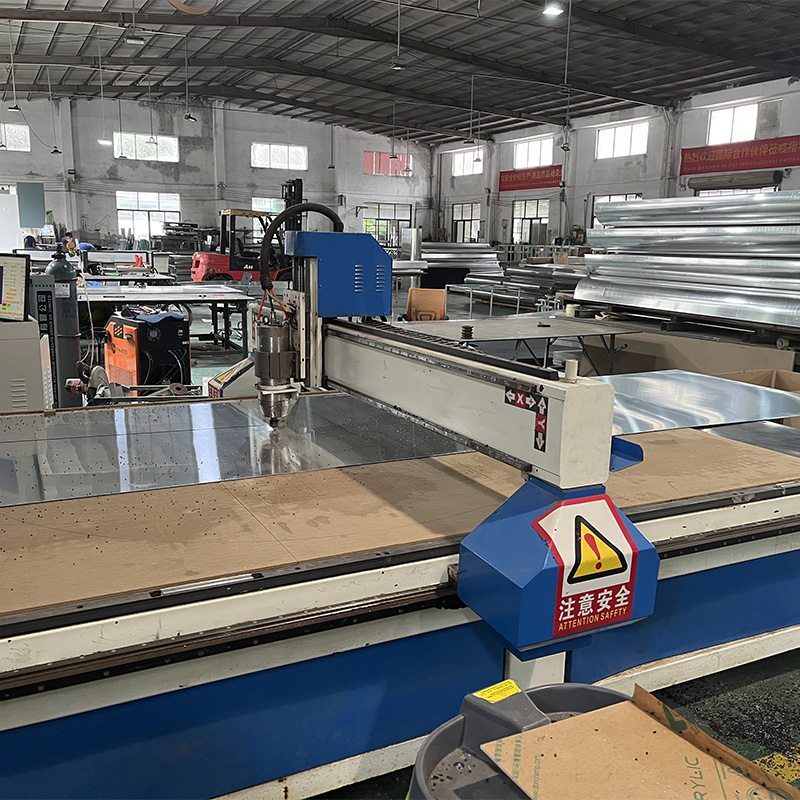
Final inspection ensuring zero defects before global shipping.
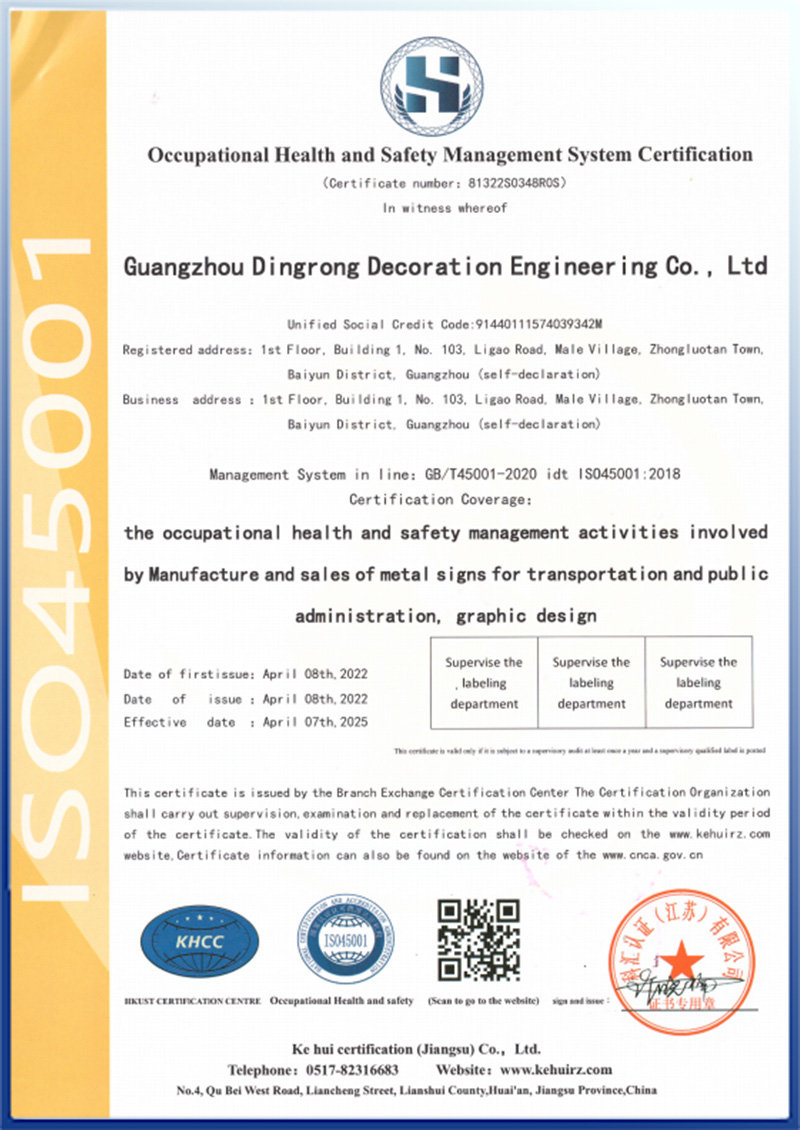
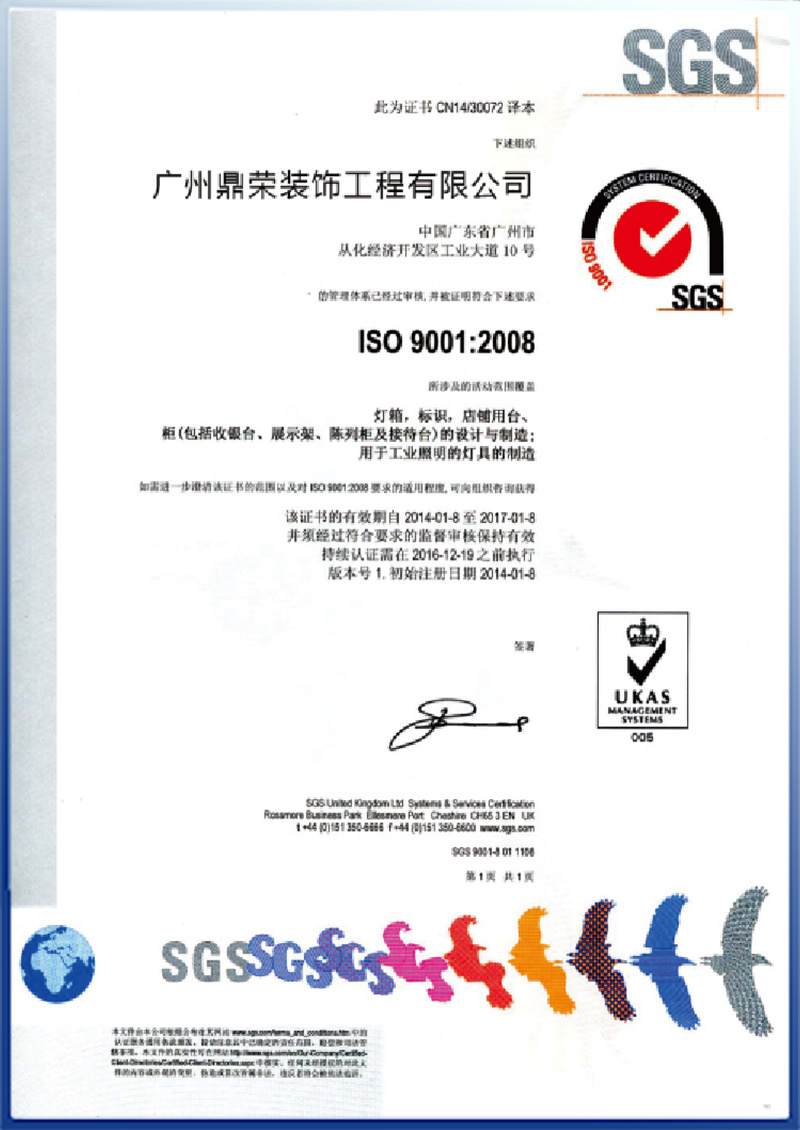
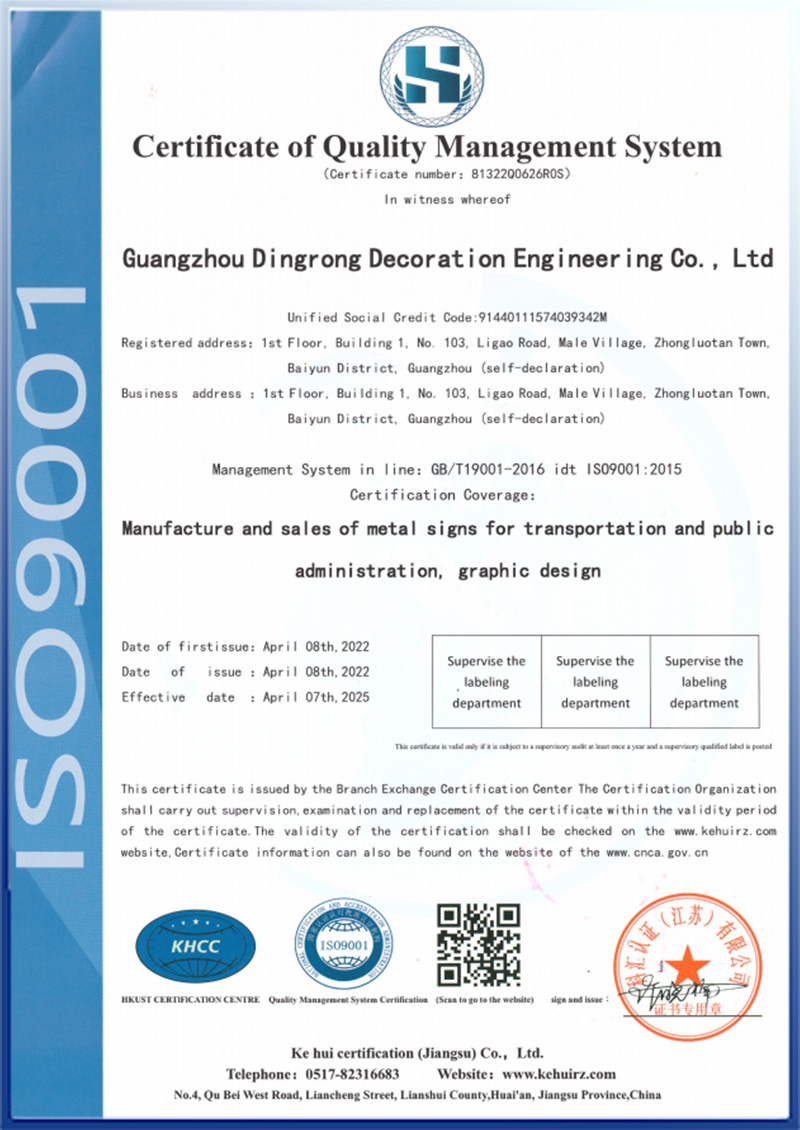
Our commitment to quality and innovation is reflected in our certifications: SGS International Certification, ISO 9001, ISO 9000 (Quality Management), ISO 14001 (Environmental Management), ISO 45001 (Occupational Health and Safety). We adhere to international production standards and hold triple-system certifications for quality, environment, and occupational health.
Our R&D department provides robust technical support, enabling us to excel in OEM and ODM projects. With a team of skilled engineers, a responsive sales force, and competitive pricing, we serve clients across Europe, the Americas, Canada, Japan, the Middle East, and South Africa.