Leave Your Message
In the rapidly evolving landscape of urban infrastructure, the Backlit Commercial Pylon Sign for Public Transportation Hubs has emerged as an indispensable architectural element. Public transportation hubs—encompassing international airports, high-speed rail networks, metropolitan bus terminals, and subway interchanges—are high-stress, high-traffic environments. Millions of commuters and international travelers navigate these spaces daily, relying heavily on clear, visible, and intuitive wayfinding systems.
A backlit commercial pylon sign serves a dual purpose in these monumental spaces. Functionally, it acts as a primary navigational beacon. Standing tall above the visual clutter of vehicular traffic and pedestrian crowds, these towering structures guide passengers to departures, arrivals, parking zones, and connecting transit lines. Aesthetically, they act as the architectural signature of the transit hub, reflecting the civic identity and technological progression of the city itself. The integration of high-luminance LED backlighting ensures that these signs maintain their commanding presence and legibility 24/7, cutting through adverse weather conditions such as heavy rain, fog, and the dark of night.
Furthermore, the psychological impact of well-designed, brightly illuminated signage cannot be overstated. Travel anxiety is a documented phenomenon in large transit hubs. When passengers can easily identify a beautifully crafted, highly visible backlit pylon sign directing them to their destination, cognitive load is significantly reduced, leading to smoother passenger flow and a superior user experience.
The manufacturing and deployment of backlit commercial pylon signs have undergone a massive industrial transformation over the past decade. Historically, these signs relied on fluorescent tubes and heavy steel frameworks, which were prone to high energy consumption, frequent maintenance issues, and vulnerability to environmental degradation. Today, the industry standard is defined by cutting-edge materials and energy-efficient technologies.
Modern pylon signs for public transportation hubs are constructed using architectural-grade extruded aluminum and high-impact polycarbonate or tensioned flexible substrates. These materials offer an unparalleled strength-to-weight ratio, allowing signs to reach towering heights of up to 30 meters while maintaining strict compliance with regional wind-load and seismic regulations. The exterior finishes utilize automotive-grade fluorocarbon paints, ensuring resistance to UV fading, pollution, and harsh urban environments.
The commercial status quo is now entirely dominated by smart LED technology. High-efficiency LED modules have replaced outdated lighting systems, offering a lifespan of over 100,000 hours and reducing energy consumption by up to 70%. These backlit systems are often equipped with intelligent light sensors that automatically adjust luminance based on ambient daylight, ensuring optimal visibility without contributing to urban light pollution.
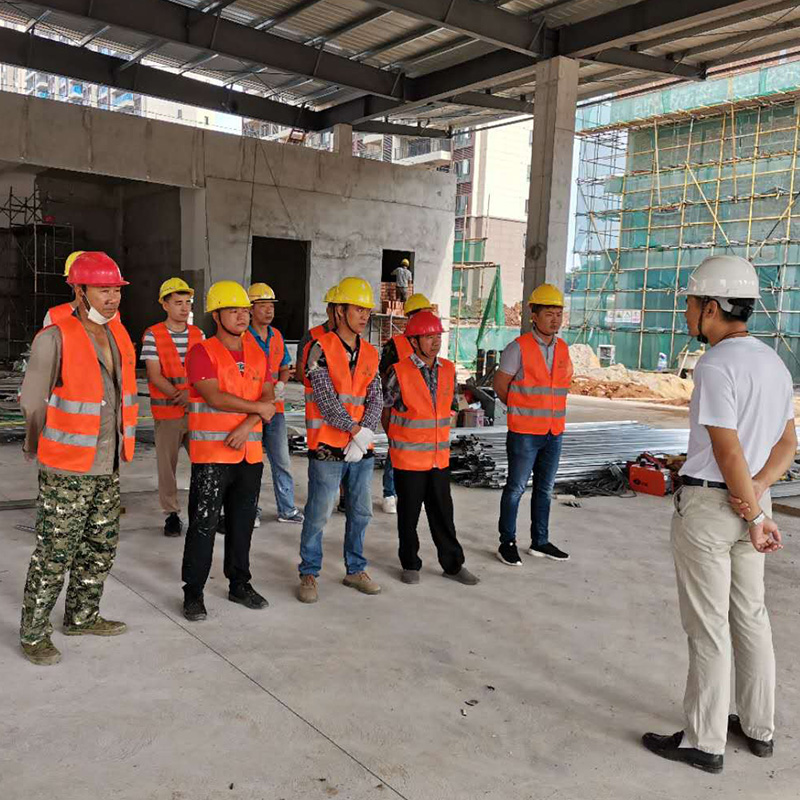
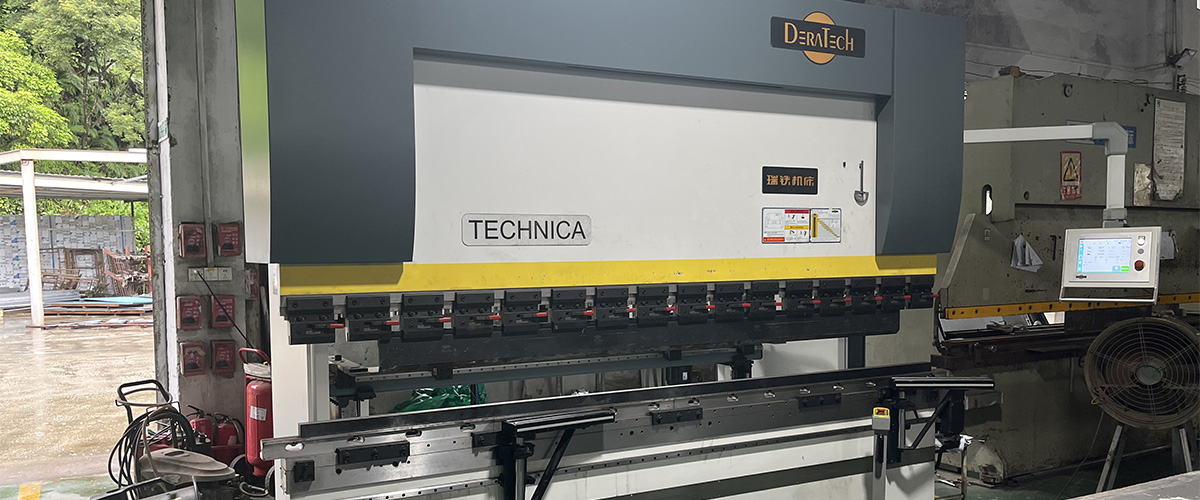
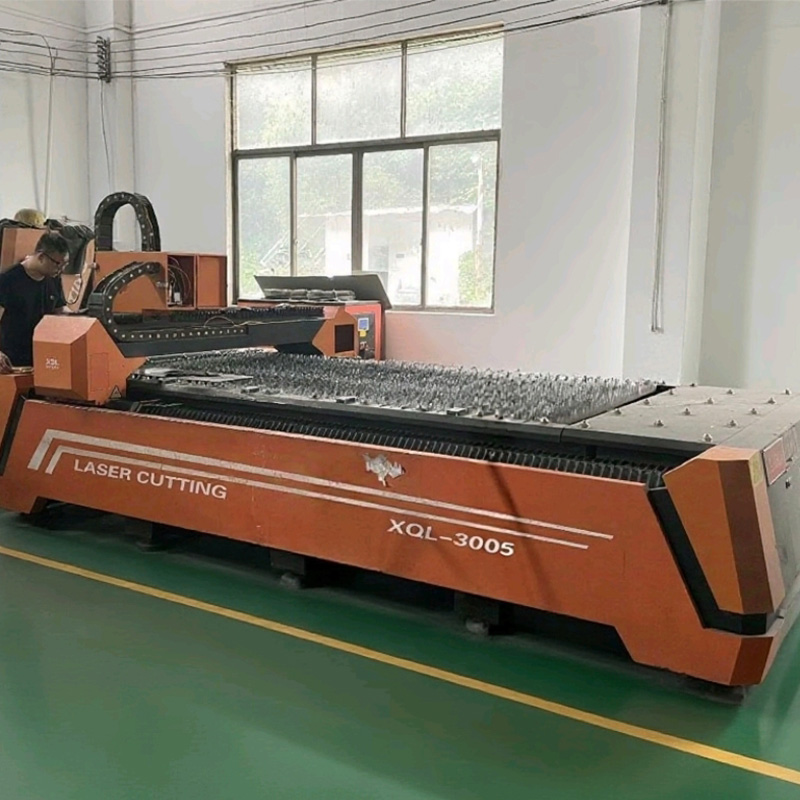
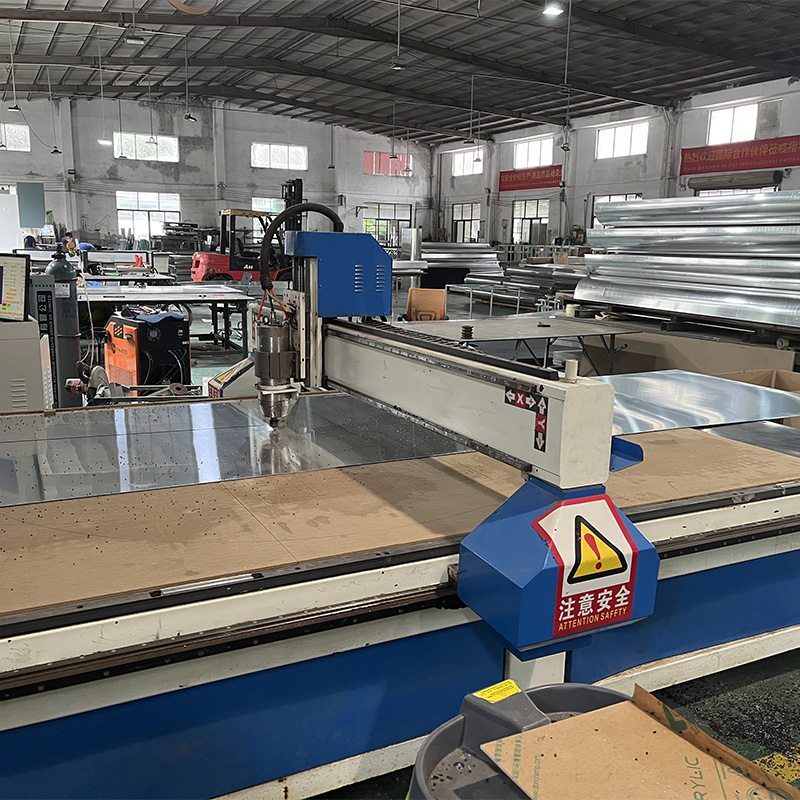
Founded in 2011, ZZC is DingRong Group brings over 15 years of expertise in manufacturing and engineering, specializing in comprehensive sign solutions for global clients. We are a large factory with a production area of 20,000 square meters, we are a full-service sign manufacturer capable of delivering end-to-end projects for diverse industries, including gas stations, retail spaces, and public facilities.
Years Industry Experience
Factory Area (sqm)
Cooperative Customers
Team Members
The application of a Backlit Commercial Pylon Sign for Public Transportation Hubs is not a one-size-fits-all endeavor. Different modes of transit demand highly specialized signage strategies tailored to the unique behavioral patterns of their specific commuters.
At major airports, backlit pylon signs serve as the first point of communication for drivers traveling at highway speeds. These structures must be monumental in scale, utilizing high-contrast color schemes (such as deep blue backgrounds with stark white LED-illuminated text) to delineate domestic vs. international terminals, rental car returns, and short-term parking. The backlighting must be perfectly uniform to prevent hot spots that could distract drivers, utilizing specialized optical lenses over the LED diodes to disperse light evenly across massive acrylic faces.
Railway hubs are often situated in dense urban cores where vertical space is at a premium. Here, the commercial pylon sign acts as a multi-modal nexus marker. It must integrate seamlessly with the modern glass-and-steel architecture typical of contemporary train stations. These signs frequently incorporate dynamic digital LED screens alongside traditional backlit static branding, allowing authorities to display real-time train schedules, emergency alerts, or commercial advertising, thereby generating ancillary revenue for the transit authority.
BRT terminals require highly durable, pedestrian-scale pylon signs. Because these signs are in close proximity to waiting passengers, they must feature vandal-resistant materials like tempered glass and anti-graffiti coatings. The backlighting is crucial for nighttime safety, providing ambient illumination that deters crime and ensures that route maps and timetables remain highly legible after dark. The structural integrity must also account for the constant vibration caused by heavy bus traffic.
In suburban commuter hubs, massive park-and-ride lots rely on towering backlit pylons to guide vehicular traffic off main arterials. These signs often incorporate smart parking integration—using LED backlighting to illuminate static branding while integrating digital counters that display the real-time availability of parking spaces. This hybrid approach significantly reduces traffic congestion at the hub entrance.
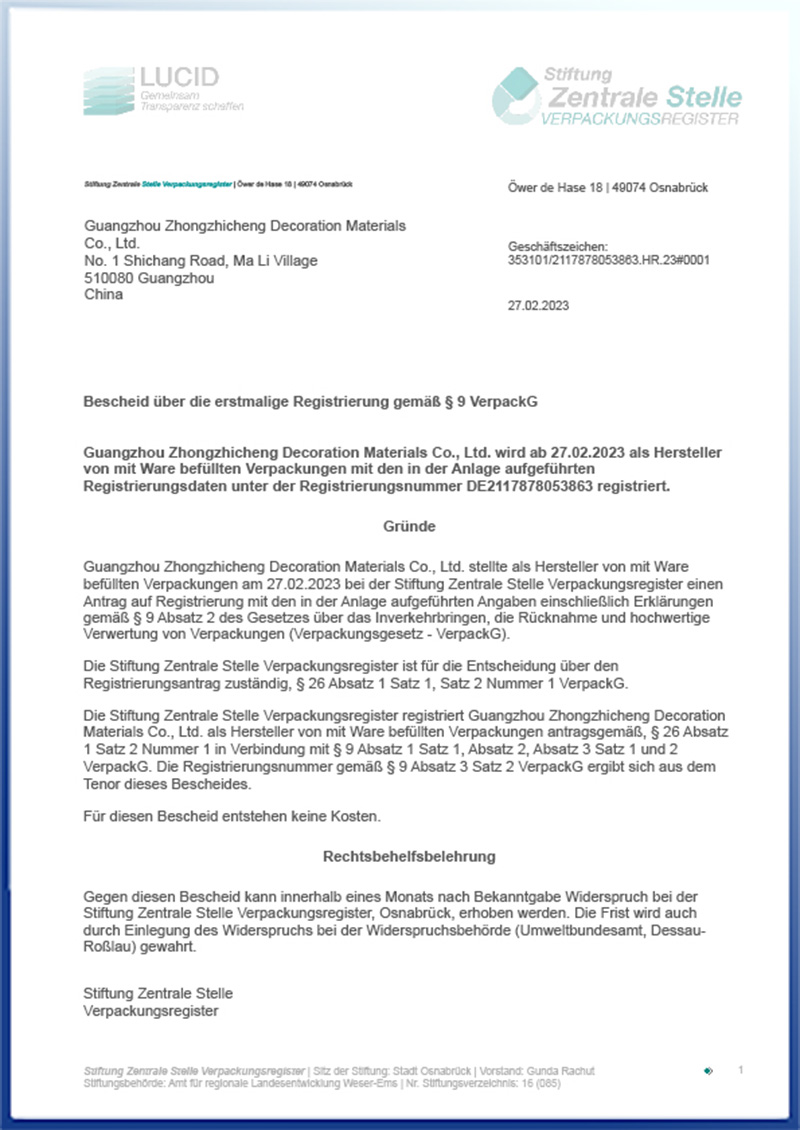
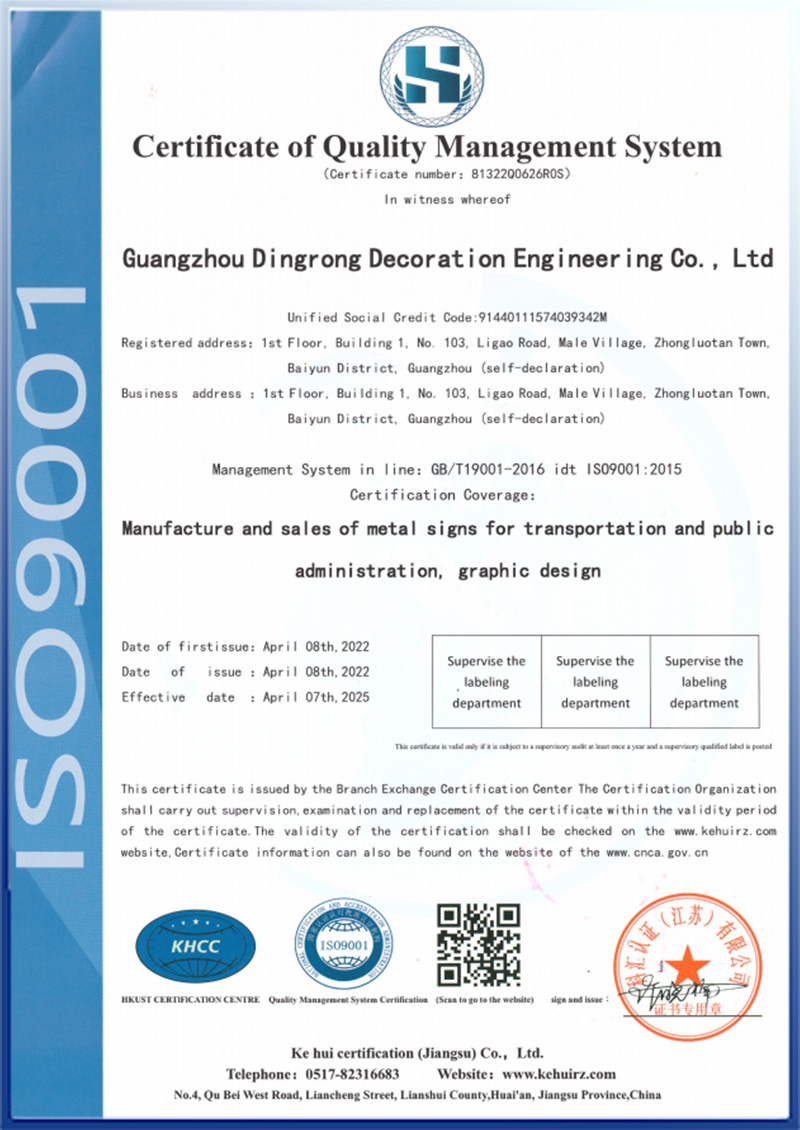
Our commitment to quality and innovation is reflected in our certifications: SGS International Certification, ISO 9001, ISO 9000 (Quality Management), ISO 14001 (Environmental Management), and ISO 45001 (Occupational Health and Safety). We adhere to international production standards and hold triple-system certifications.

Creative and strategic branding solutions.

In-house manufacturing with state-of-the-art technology.

Efficient global distribution and seamless on-site implementation.

Reliable support to ensure long-term performance.
As smart city initiatives gain momentum globally, the future of the Backlit Commercial Pylon Sign for Public Transportation Hubs is shifting from passive architectural markers to active, intelligent urban infrastructure nodes. The integration of Artificial Intelligence (AI) and the Internet of Things (IoT) is revolutionizing how these signs operate and interact with the public.
1. AI-Powered Predictive Maintenance: Future backlit pylon signs will be equipped with IoT sensors that continuously monitor the health of internal components, such as LED drivers, power supplies, and structural integrity under wind stress. AI algorithms will analyze this data to predict failures before they occur, alerting maintenance crews automatically. This ensures zero downtime for critical transit wayfinding systems, which is vital for maintaining public safety.
2. Sustainable & Off-Grid Capabilities: With a growing emphasis on reducing carbon footprints, the next generation of commercial pylon signs will increasingly incorporate building-integrated photovoltaics (BIPV). Transparent solar films applied to the signage faces, combined with high-capacity lithium-ion battery storage housed within the pylon base, will allow these massive signs to operate entirely off-grid. This not only slashes operational costs for transit authorities but also ensures the signs remain illuminated during municipal power grid failures, acting as emergency beacons.
3. Interactive and Augmented Reality (AR) Integration: The static backlit sign is evolving to interact directly with commuters' smartphones. By embedding NFC (Near Field Communication) tags and visually integrated QR codes into the pedestrian-level sections of the pylon, passengers can instantly download AR wayfinding maps. The physical backlit sign serves as the anchor point, while the digital interface guides the user step-by-step to their specific terminal gate or train platform.
In conclusion, the backlit commercial pylon sign is no longer just a box with lights; it is a sophisticated piece of industrial engineering that sits at the intersection of urban design, public safety, and smart city technology. Its continuous evolution will play a pivotal role in shaping the efficiency and aesthetic appeal of tomorrow's public transportation hubs.
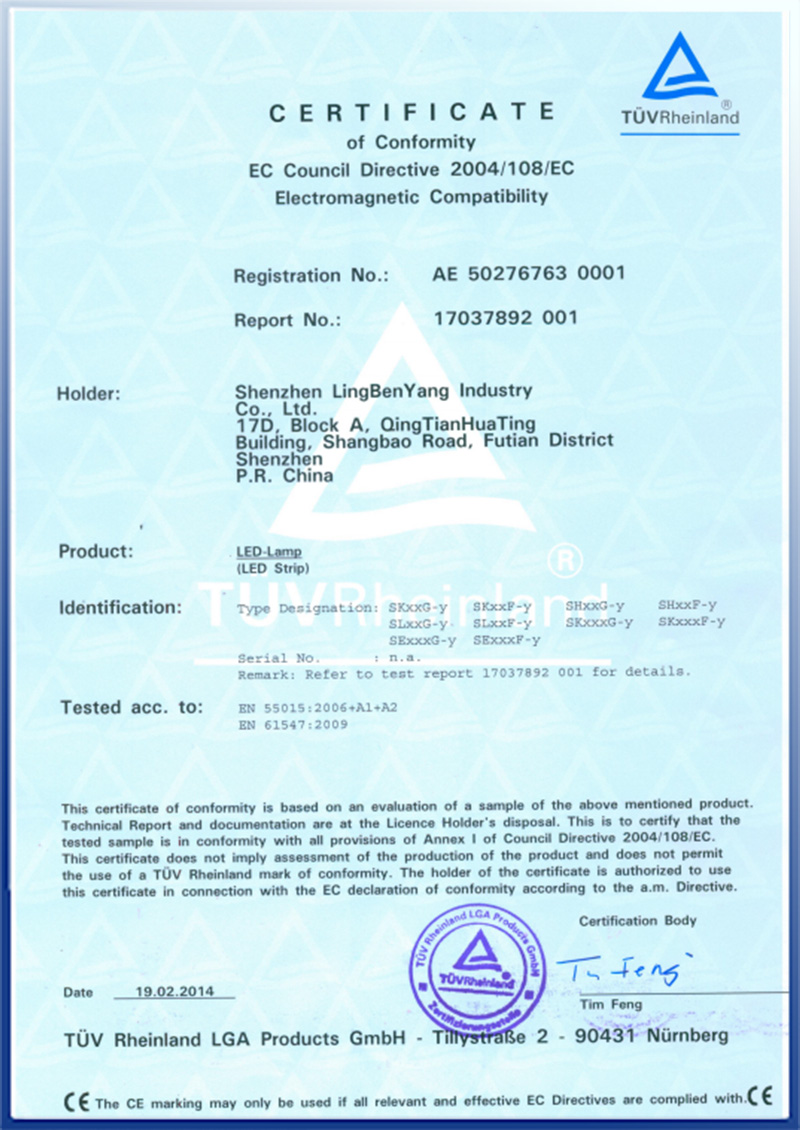
All electronic products undergo rigorous testing, including CE, UL, and RoHS certifications, and are subjected to a 48-hour 100% full-load aging test before shipment. We offer a 2-year warranty on all products. Our R&D department provides robust technical support, serving clients across Europe, the Americas, Canada, Japan, the Middle East, and South Africa.