Looking ahead to 2026, it’s pretty exciting to see how Warning Acrylic Sign Boards are really changing the game in safety communications across different industries. I came across some recent market research from ResearchAndMarkets that says the global acrylic signage market is on track to hit around $7 billion by 2025. That’s a huge jump and just shows how much people are leaning towards more durable and eye-catching safety signs these days. As awareness around workplace safety grows and regulations become more strict, the demand for effective warning signage is only going up.
Acrylic sign boards are fantastic because they’re durable and super visible. Actually, studies show that brightly colored acrylic signs can grab attention up to 70% more than duller ones — which makes them a pretty crucial part of managing risks at work. But here’s the thing: a lot of companies still don’t realize just how important it is to tailor these signs to their specific environment. Usually, generic warnings just don’t cut it when it comes to communicating urgent safety info clearly. Customizing signs to fit the particular space or situation can really make a difference in how well people understand and respond.
That said, the challenge is figuring out how to adopt these trends wisely. While it’s clear that safety signs are becoming more functional and visually appealing, we still need to be careful not to overlook traditional safety practices. Poor training or messing up the installation can really undermine their effectiveness. As industries keep evolving, it’s probably a good idea to keep checking whether these Warning Acrylic Sign Boards are doing their job right — they should always serve their purpose, after all.
The emergence of OEM custom warning acrylic sign boards in 2026 marks a significant shift in safety communication. According to recent industry reports, the market for acrylic signage is expected to grow by over 12% annually. This rise reflects a growing awareness of safety standards across various sectors. Companies are increasingly investing in customized solutions that align with their branding while ensuring clear communication of warnings.
The demand for these sign boards is propelled by their versatility. Available in various sizes, colors, and designs, they cater to unique customer needs. A survey conducted by signage experts indicated that 75% of businesses prefer customized signs for better visibility and effectiveness. However, the rapid growth presents challenges. Many manufacturers face issues in maintaining quality across mass production. Additionally, the environmental impact of acrylic production is still a concern.
Stakeholders must address these challenges head-on. As businesses expand their use of OEM acrylic boards, evaluating the sustainability of materials is essential for long-term success. The focus on aesthetics should not compromise safety. Clear, well-designed, and durable signs are crucial for effective communication, yet balancing these factors is often overlooked in the rush to innovate.
| Trend | Description | Market Impact | Primary Use Cases |
|---|---|---|---|
| Increased Customization | Growing demand for personalized warning signs tailored to specific needs of businesses and individuals. | Higher customer satisfaction and retention rates. | Commercial settings, construction sites, and home safety. |
| Eco-Friendly Materials | Shift towards using sustainable acrylic materials that reduce environmental impact. | Establishing a greener brand image and attracting eco-conscious consumers. | Public areas, parks, and residential zones. |
| Integration of Smart Technology | Incorporation of QR codes and NFC technology into signboards for instant information access. | Enhanced interactivity leading to increased user engagement and information dissemination. | Museums, tourist attractions, and events. |
| Visual Aesthetics | Focus on visually appealing designs that attract attention while ensuring clarity of warnings. | Improved compliance with safety standards and regulations. | Retail environments, offices, and events. |
| Digital Signage Trends | Transition from static to dynamic signboards that can change messages in real time. | Higher adaptability to real-time situations and enhanced communication effectiveness. | Transportation hubs, emergency services, and public information displays. |
Acrylic sign boards have become increasingly popular in various industries. Their versatility stems from unique features that cater to diverse applications. These boards are lightweight, making them easy to install and handle. Additionally, they are resistant to weather conditions, ensuring durability both indoors and outdoors.
Research indicates that acrylic signage can last up to five times longer than traditional materials. The clarity of acrylic allows for vibrant colors and sharp graphics, attracting attention effectively. With customization options available, businesses can create signage tailored to their branding needs. A report from the Sign Industry Association highlights that nearly 70% of consumers make purchasing decisions influenced by sign quality.
However, the production of acrylic sign boards does raise some concerns. Sustainability is an ongoing challenge in the industry. Acrylic is often derived from fossil fuels, which poses environmental issues. Companies are now exploring eco-friendlier alternatives without compromising quality. Reflecting on these aspects is vital for future trend developments in OEM custom warning signs.
This chart illustrates the percentage usage of different types of OEM custom warning acrylic sign boards in 2026. Safety signs and custom signs lead the market trends, reflecting their demand across various sectors.
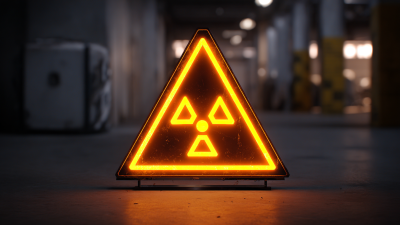
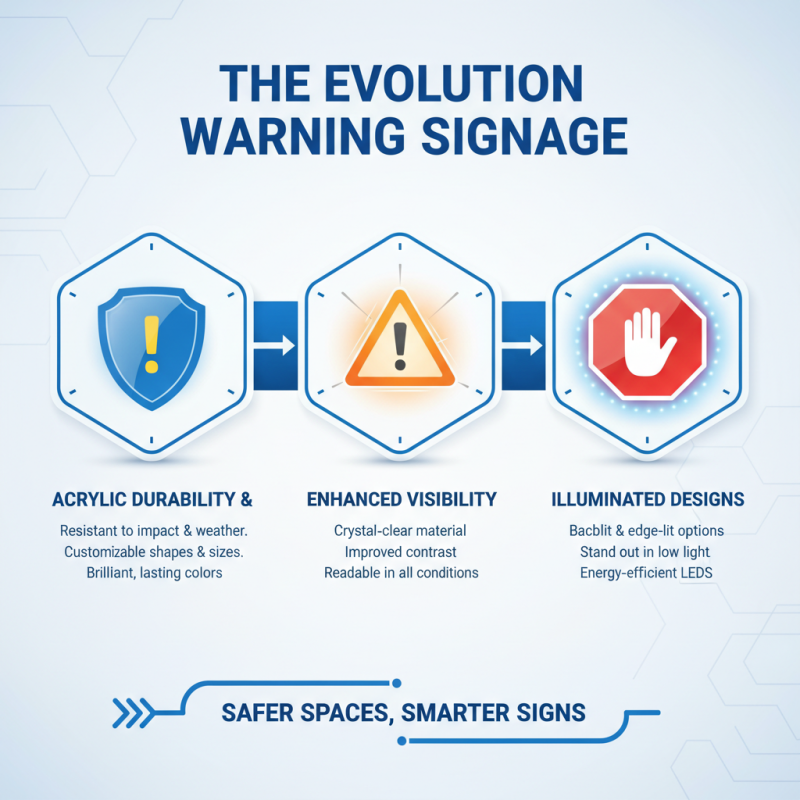
Custom warning signage is evolving in exciting ways. Acrylic boards are gaining popularity for their durability and versatility. They can feature vibrant colors and precise designs. Enhanced visibility is crucial for warning signs, and acrylic materials deliver this effectively. The use of lighting effects, such as backlit designs, is gaining traction. This makes signs more noticeable in low-light conditions.
Innovative designs often blend functionality and aesthetics. For instance, creative shapes can capture attention better than traditional rectangular signs. A unique silhouette can make a location memorable. Simplicity in messaging is another emerging trend. People respond to clear, concise information. Too much text can lead to confusion, which defeats the purpose of warning signs.
Reflecting on current trends, there is a need for more environmentally friendly materials. As awareness grows, consumers prefer sustainable options. This presents a challenge for manufacturers to innovate within eco-friendly parameters. Many designs still lack the necessary blend of style and accountability. It's a balance that requires ongoing effort and critical reflection. Keeping abreast of these trends is vital for effective communication in safety.
Regulatory standards play a crucial role in the usage of OEM acrylic sign boards. These standards ensure safety and compliance across various industries. They dictate material choices and signage designs. For instance, thickness requirements can affect durability. Such regulations can limit creativity but provide essential safety measures. Businesses often overlook these guidelines, leading to potential risks.
Tips: Always check local regulations. This can prevent costly mistakes. Research what your competitors are doing. Understand what works in your industry.
Another aspect to consider is the impact of material quality. High-quality acrylic might meet standards better than lower-grade options. Yet, some manufacturers cut costs, risking compliance. This approach can lead to failures or fines. It’s vital to balance cost with compliance, reflecting on long-term impacts.
Tips: Invest in quality materials. They can enhance your brand's reputation. Review signage regularly to meet new regulations. Staying informed is key to success.
Sustainability is a growing focus for industries worldwide. Acrylic sign boards have significant potential for eco-friendly practices. Their production often involves extensive plastic use, which raises concerns. The challenge lies in balancing aesthetics and environmental responsibility.
Using recycled materials is a step towards sustainability. However, the quality of recycled acrylic can vary. Sometimes, it may not match the clarity of virgin materials. Efforts to improve this are ongoing. Additionally, manufacturers are exploring biodegradable alternatives, although the technology is still in its infancy.
Energy-efficient processes during production are also crucial. Many plants are looking into renewable energy sources. Yet, transitioning can be costly and complex. It requires a commitment to long-term change. Educating consumers on these initiatives is essential. Increased awareness can foster demand for greener products. As the industry evolves, the path forward must embrace both innovation and reflection on current practices.
In recent years, the demand for custom acrylic signage has surged. Consumers look for unique and visually appealing signs. Businesses realize the importance of clear, effective communication through signage. Acrylic signs offer durability and versatility. They can be used both indoors and outdoors.
Color plays a vital role in consumer preferences. Bright colors attract attention. Customers also respond well to clear fonts. The tactile quality of acrylic adds an element of sophistication. However, not all designs resonate with viewers. Simple designs can sometimes be overlooked.
Tips: Always consider your target audience. The effectiveness of your sign depends on its ability to communicate quickly. Test different styles and colors to see what works best. Don’t be afraid to revise your designs based on feedback. Engaging consumers is an ongoing process that requires adaptation.
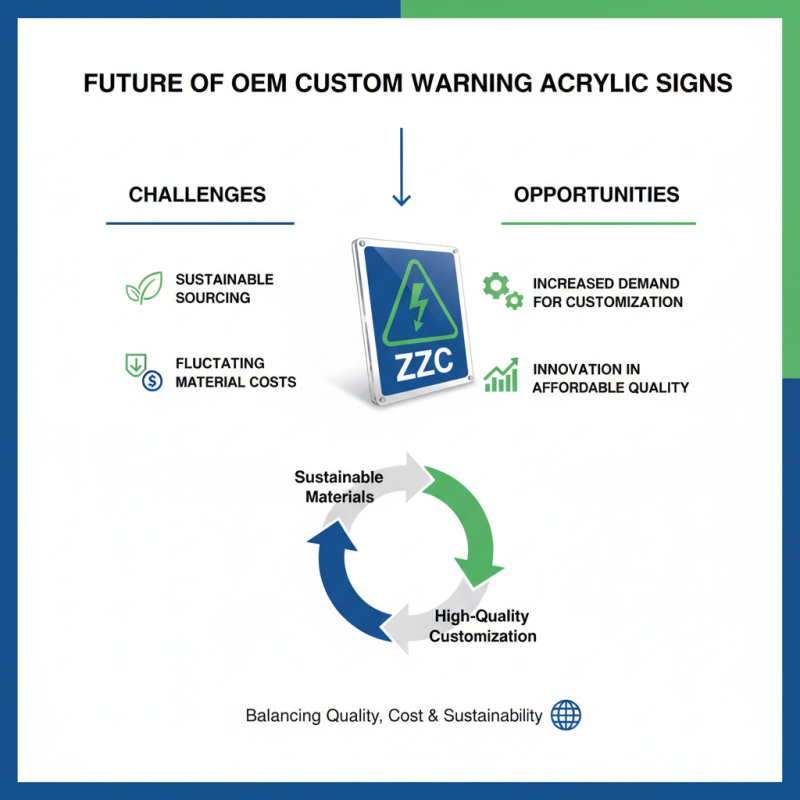
The future of OEM custom warning acrylic sign boards, like ZZC, presents distinct challenges and opportunities. As businesses increasingly rely on custom signage, sourcing materials sustainably can become tricky. Manufacturers must navigate fluctuating prices for quality raw materials. This inconsistency can strain budgets and timelines. Ensuring high-quality production while maintaining affordability is a puzzle many face.
Custom signs must also adapt to evolving customer needs. Personalized designs can capture specific branding messages effectively. Yet, striking a balance between creativity and functionality is vital. Many OEMs find themselves in a dilemma regarding simplicity versus innovation. While experimenting with new designs is tempting, customers often seek clear messages first. Feedback loops from clientele can offer valuable insights, but these processes can be slow and cumbersome.
Moreover, embracing technology can lead to new avenues. Digital printing and eco-friendly materials can enhance the production process. However, not every company is ready to invest in these innovations. The integration of smart technologies poses another layer of complexity in design. Keeping pace with trends while ensuring reliable output requires constant adaptation. Such challenges demand reflection and strategic decision-making in OEM sign production.
: It improves efficiency and provides better results for various tasks. Many users report improved outcomes.
Yes, it is safe for daily use. However, monitor your body’s response over time.
Generally, it works for most skin types. Some users with sensitive skin may experience reactions.
Results vary. Some notice changes within a week, while others may take a month or more.
Possible side effects include irritation or breakouts. Pay attention to how your skin reacts.
You can layer it with other products. However, avoid using too many active ingredients at once.
If there are no results after a few weeks, reevaluate your routine or consult a professional.
Keep it in a cool, dry place. Avoid direct sunlight to maintain its effectiveness.
Many sellers offer a satisfaction guarantee. Check the policy before making a purchase.
Apply a small amount evenly. Gently massage it into the skin for better absorption.
The article highlights the emergence of OEM Custom Warning Acrylic Sign Boards in 2026, emphasizing their key features that make them suitable for a variety of applications. With innovative design trends evolving, these sign boards are not only functional but also cater to aesthetic needs. Regulatory standards are influencing their usage, ensuring that safety remains a priority across industries.
Additionally, the focus on sustainability practices in the production of Warning Acrylic Sign Boards reflects a growing consumer demand for eco-friendly products. As the market for signage continues to expand, understanding consumer preferences will play a crucial role in shaping future developments. The article concludes by addressing potential challenges and opportunities that may arise in the OEM custom signage sector, ensuring that stakeholders remain agile and informed.