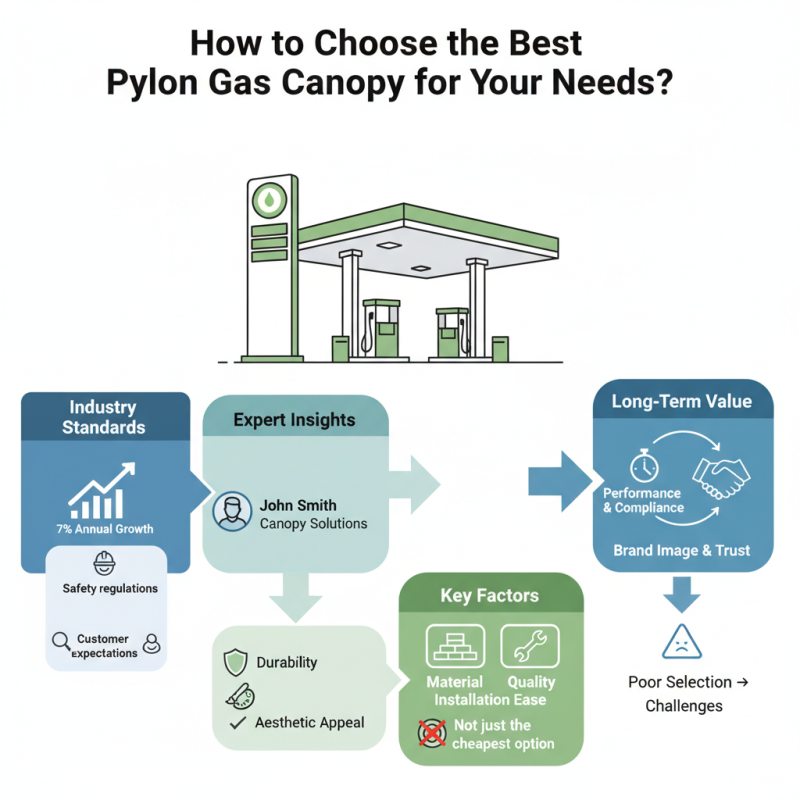
Picking the right Pylon Gas Canopy isn’t just about ticking boxes — it’s pretty important to understand what the industry standards are. I came across a report from Fueling Insights, which predicts that the market for these canopies is going to grow about 7% each year. It seems like everyone’s on the lookout for smarter, more efficient designs, especially now with all the safety rules and customer expectations climbing.
John Smith from Canopy Solutions really hit the nail on the head when he says, ‘Choosing the right Pylon Gas Canopy is key to keeping things running smoothly.’ His point? You gotta think about durability and how it looks too — because in this biz, both matter. Unfortunately, a lot of buyers tend to overlook things like material quality or how easy it is to install, which can sometimes bite them later.
When you’re thinking about a Gas Pylon Canopy, it’s really worth taking the time to weigh what makes one suitable for your needs. It’s not just about grabbing the cheapest option out there. Looking at how it’ll perform over the long run and making sure it’s compliant with regulations can save you headaches down the line. Trust me, because a lot of companies have hit bumps when they went with the wrong canopy — it even affected how customers see their brand or trust them in general.
Understanding Pylon Gas Canopies: Definition and Purpose
Pylon gas canopies are essential structures designed to provide shelter and protection at gas stations. They are typically large, overhead structures that serve various purposes. Primarily, they safeguard customers from inclement weather while fueling their vehicles. The design often features bright signage that enhances visibility, drawing attention to the fuel station.
Understanding how these canopies function is crucial. They are not just practical; they also serve a marketing role. A well-designed canopy can make a gas station stand out in a competitive area. However, creating the right atmosphere involves considering aesthetics and function. The height and materials used can impact not just visibility, but also how customers experience the space.
Choosing the right pylon gas canopy requires reflection on specific needs. Consider the local climate and typical traffic. Some canopies may represent overkill in milder regions. Should a simple structure suffice? Always assess how the structure will affect customer flow. Evaluating these factors can lead to choices that optimize both safety and operational efficiency.
Key Factors to Consider When Choosing a Pylon Gas Canopy
Choosing the right Pylon Gas Canopy involves understanding key factors that impact functionality and safety. One critical aspect is material durability. A report by the Steel Recycling Institute highlighted that high-quality steel frameworks exhibit 25% longer lifespans than lower-grade options. This could significantly reduce long-term costs.
Another factor to consider is visibility. Research indicates that brighter canopies attract 30% more customers. Color and lighting play essential roles in this. A well-lit Pylon Gas Canopy increases both safety and aesthetics. Many owners overlook the importance of proper lighting. This oversight can diminish the visibility needed during nighttime operations.
Additionally, ensuring local compliance with zoning regulations is vital. A survey conducted by the National Association of Convenience Stores revealed that 40% of gas stations faced fines due to non-compliance. Understanding the regulations can save both time and money. It’s easy to prioritize appearance over practicalities, but attention to detail can make a difference.
Different Types of Pylon Gas Canopies: An Overview
When selecting a pylon gas canopy, it's important to understand the different types available. Pylon canopies come in various designs, making it crucial to match your needs. These structures can be freestanding or integrated into existing buildings. Freestanding canopies provide flexibility in placement. They act as a focal point and improve visibility. Integrated designs blend with architecture, offering a cohesive look.
The materials used also vary significantly. Steel and aluminum are common, both providing strength and durability. Acrylic and vinyl options exist as well, allowing for customization in appearance. Each material has its pros and cons. For example, acrylic offers excellent light diffusion but may require more maintenance. Consider the local weather conditions, as they can influence the longevity of your choice.
A well-crafted Pylon Canopy Sign enhances branding and attracts customers. Bright colors and eye-catching graphics draw the eye. However, budget constraints may limit options. Reflecting on your needs can lead to better choices. Understand the long-term implications of your selection. The ideal pylon gas canopy should not only meet current needs but also accommodate future growth.
Different Types of Pylon Gas Canopies: A Comparison
Assessing Material and Durability for Pylon Gas Canopies
When selecting a pylon gas canopy, material and durability are crucial factors. Many canopies are made from aluminum, steel, or vinyl. Aluminum offers lightweight and rust resistance. Steel is more robust but can be heavier. Vinyl, while not as durable, is often used for its cost-effectiveness. Understanding the trade-offs between these materials helps in making an informed choice.
Durability extends beyond the material itself. Exposure to harsh weather can wear down canopies quickly. A study indicated that 70% of canopies fail in high-wind areas if not engineered properly. Additionally, UV protection is essential, as prolonged sun exposure can degrade materials. A well-crafted Backlit Pylon Canopy should have UV-resistant coatings, enhancing its lifespan significantly.
In your assessment, consider the warranty offered by manufacturers. A warranty often reflects a company's confidence in their product's durability. Reviews also play a vital role; user feedback can reveal real-world performance. Remember, a canopy that looks appealing may not always be the most durable. A balance between aesthetics and robust construction is key for long-term satisfaction.
Cost Analysis: Budgeting for Your Pylon Gas Canopy
When budgeting for a Pylon Gas Canopy, consider several factors. On average, a quality Steel Pylon Canopy costs between $10,000 to $50,000. This wide range depends on size, materials, and local installation costs. Industry studies indicate that a well-designed canopy can increase visibility and customer traffic by up to 30%. Thus, investing upfront can result in substantial returns.
Maintenance costs play a significant role in total expenditure. Regular inspections and repairs are essential for longevity. According to historical data, maintenance can add 10-15% to yearly costs. You might find that a poorly designed or wrongly sized canopy leads to more frequent repairs. This can eat into your profits, undermining your initial investment.
Consider potential financing options. Some companies offer packages that integrate maintenance and insurance. This can simplify budgeting over time. Note that a neglected structure may cause safety issues, leading to hefty fines or insurance claims. Paying attention to design and cost can prevent regret down the road.
Installation and Maintenance Considerations for Pylon Gas Canopies
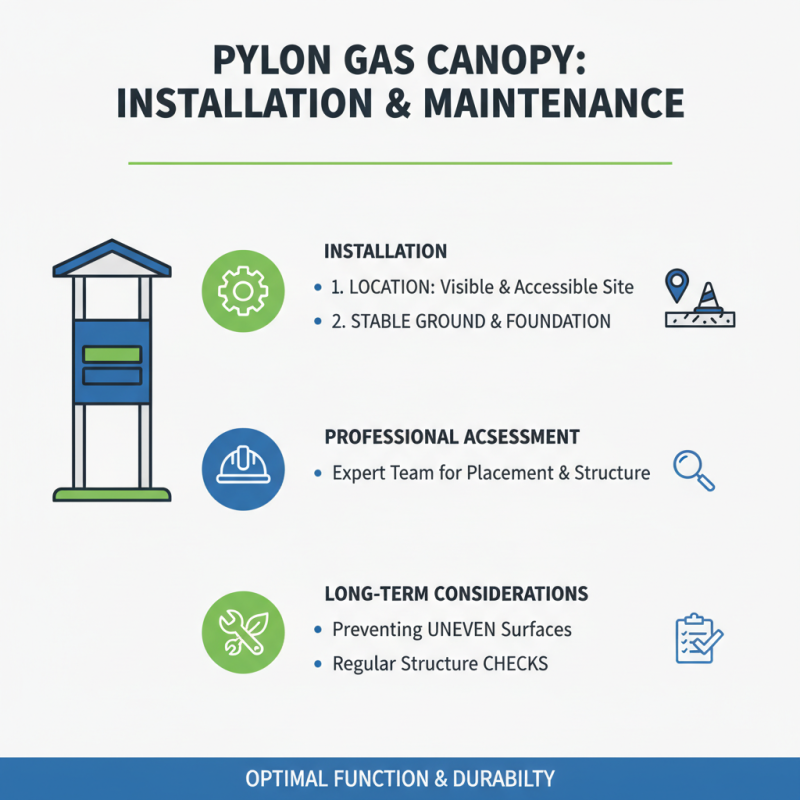
When considering the installation of a pylon gas canopy, specific factors require attention for optimal function. The location is crucial. It should be visible and easily accessible. A professional installation team can assess the site to ensure proper positioning. The ground must be stable, as uneven surfaces can affect the structure. Inadequate foundation work can lead to long-term issues.
Maintenance is essential for safety and durability. Regular inspections ensure the integrity of the canopy. Look for signs of wear, rust, or damage. Cleaning the canopy helps maintain visibility and aesthetic appeal. Neglecting these tasks could result in costly repairs. Create a routine maintenance schedule that addresses these needs.
Consider local regulations before installation. Compliance with zoning laws and safety codes is vital. Consultation with local authorities can prevent unexpected challenges. If unclear, seeking expert advice is wise. Understanding these requirements will ease the installation process and help avoid future complications.
Regulatory Compliance and Safety Standards for Gas Canopy Selection
When selecting a gas canopy, regulatory compliance is crucial. Gas canopies must adhere to local and national safety standards. Understanding these regulations can be complex. Each area may have different codes regarding installation and operation. Misunderstanding these may lead to potential safety hazards or legal issues.
Another important aspect is safety standards. Canopies should be constructed using fire-resistant materials. This requirement minimizes risks associated with flammable substances. Regular inspections of the canopy are also essential. These checks ensure that any wear or damage is addressed timely, promoting a safer environment.
However, many overlook the importance of ventilation. Effective airflow is necessary beneath gas canopies. Poor ventilation can lead to dangerous gas accumulation. It may be beneficial to consult with experts in the field. Their knowledge can guide you in making informed decisions. This investment in safety pays off in the long run.
FAQS
: Material durability is crucial. High-quality steel lasts longer than lower-grade options, reducing costs over time.
Bright canopies can attract 30% more customers. Color and lighting significantly enhance visibility and safety.
Many owners underestimate it. Good lighting improves visibility during nighttime operations and enhances aesthetics.
Location is key. The canopy must be visible and accessible. Stable ground is essential for proper support.
Regular inspections are vital. Look for signs of wear or damage. Cleaning maintains visibility and extends lifespan.
Non-compliance can lead to fines and legal issues. Understanding local regulations is essential for a smooth installation.
Canopies must be built with fire-resistant materials. Regular inspections help to maintain safety and reduce risks.
Inadequate airflow may cause dangerous gas buildup. It's important to consult experts for proper ventilation solutions.
Neglect can lead to costly repairs. Creating a maintenance schedule is necessary to address potential issues.
It can create safety hazards or lead to fines. Being informed helps avoid future complications and ensures compliance.
Conclusion
Choosing the right Pylon Gas Canopy is essential for ensuring safety and efficiency in fuel service stations. Understanding the definition and purpose of a Pylon Gas Canopy is the first step, as it serves to protect fuel dispensing areas from the elements while providing visibility for drivers. Key factors to consider include the size, design, and specific needs of your location, as well as various types available on the market.
Material and durability are also crucial, as these canopies must withstand harsh environmental conditions. Conducting a cost analysis helps in budgeting for both initial investment and long-term maintenance. Additionally, installation and maintenance considerations, along with ensuring regulatory compliance and adherence to safety standards, are vital to the longevity and safety of the Pylon Gas Canopy. A comprehensive understanding of these elements will guide you in making an informed decision tailored to your operational requirements.