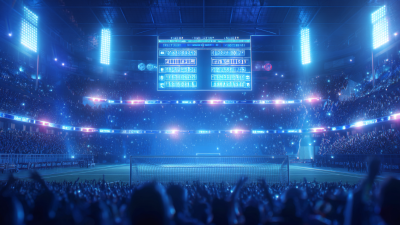
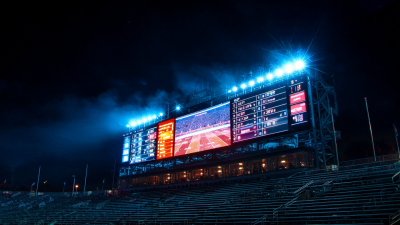
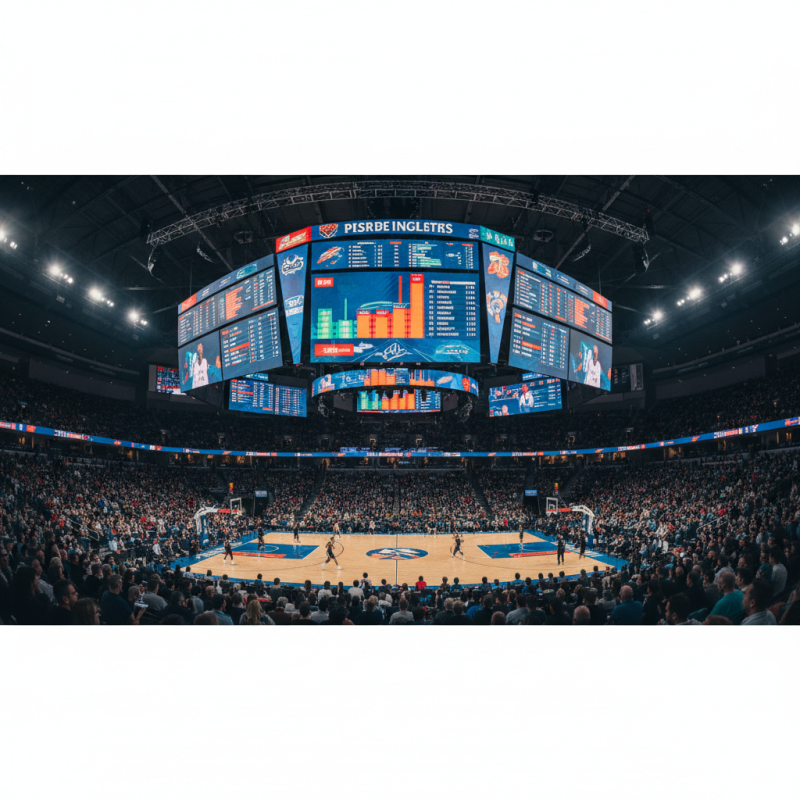
You know, adding LED scoreboards into sports venues really changed the game when it comes to how folks watch and enjoy the action. I came across a report from the International Association of Venue Managers (IAVM) that mentioned venues that switch over to LED tech see a pretty big bump in how satisfied and engaged the audience feels. Actually, up to 80% of visitors said their viewing experience got better. These LED screens do more than just show the score—they make everything brighter and clearer during the game, and they also give room for cool features like real-time stats and dynamic ads. It’s like turning a regular game into an interactive event, making it way more exciting for everyone involved.
Now, with so many sports venues wanting to keep up with what modern fans expect, picking the right LED scoreboard is pretty important. The demand for these bad boys is skyrocketing, with the global market for scoreboards expected to jump from about $3 billion in 2020 to over $5 billion by 2025. That’s mainly because of the rapid tech advances and more investments being poured into sports infrastructure. Since there are tons of options out there, it’s really key to figure out what your facility actually needs—things like size, resolution, and features—so you can pick the perfect LED scoreboard that’ll boost the experience for players and fans alike.
Factors to Consider When Selecting an LED Scoreboard
When selecting an LED scoreboard for your sports facility, it is crucial to consider various factors that can impact both the functionality and the viewing experience. One essential aspect is the size and resolution of the scoreboard. According to a report by the International Sports Lighting Society, the optimal viewing distance for sports events generally ranges from 30 to 150 feet, which influences the resolution needed for clear visibility. A higher pixel density ensures that spectators can easily read scores and statistics from any angle in the venue, enhancing overall engagement.
Durability is another significant factor to consider. Sports facilities often require equipment that can withstand various environmental conditions. The LED scoreboard should be rated for outdoor use, featuring weatherproofing and robust construction. In a study conducted by the National Center for Spectator Sports Research, it was found that facilities investing in durable LED technology saw a 30% longer lifespan compared to standard models, reducing long-term maintenance costs. Additionally, factors such as energy efficiency are increasingly important, with modern LED scoreboards consuming up to 75% less energy compared to traditional scoreboard technologies, aligning with sustainability goals in sports management.
Types of LED Scoreboards for Different Sports Applications
When selecting an LED scoreboard for your sports facility, it's essential to consider the specific needs of different sports applications. Various types of LED scoreboards are designed to cater to distinct sports, ensuring accurate representation of scores, time, and other relevant statistics.
For example, outdoor soccer scoreboards often feature large displays capable of showing not only the score but also game time and player statistics, optimizing visibility for both players and spectators from a distance. Similarly, basketball scoreboards are typically designed to manage dynamic outputs such as shot clocks, fouls, and team timeouts, enhancing the game's pace and audience engagement.
In contrast, sports like swimming or track and field require specialized scoreboards that can handle multiple lanes and timing functionalities. Swimming scoreboards often come equipped with split-time displays and are designed to operate in wet conditions, maintaining clarity and functionality. Track and field scoreboards, on the other hand, are tailored for displaying times and distances achieved by multiple athletes, sometimes incorporating additional features like electronic display boards for real-time results.
By understanding the requirements of each sport, facilities can select the right type of LED scoreboard, ensuring that they meet the expectations of players, coaches, and fans alike.
Understanding the Technical Specifications of LED Scoreboards
When choosing the best LED scoreboard for your sports facility, understanding the technical specifications is crucial for ensuring performance and longevity. One of the primary specifications to consider is the pixel pitch, which refers to the distance between the centers of two adjacent pixels. A smaller pixel pitch results in a higher resolution, making it ideal for sports where clear visibility of player statistics and game information is essential. For facilities hosting events where spectators are seated farther away, a wider pixel pitch may suffice, balancing quality with cost.
Another important specification to look at is brightness measured in nits. The brightness level impacts visibility in various lighting conditions; therefore, selecting a scoreboard with adjustable brightness ensures it remains readable during both daytime and nighttime events. Additionally, consider the refresh rate, which affects how smoothly animations and transitions appear on the scoreboard. A higher refresh rate provides a better experience for the audience, particularly during fast-paced games. Finally, ensure that the LED scoreboard is equipped with appropriate weatherproofing ratings if it will be installed outdoors, as this protects it from environmental elements and prolongs its lifespan.
Assessing the Outdoor vs Indoor LED Scoreboard Options
When considering the best LED scoreboard for your sports facility, one of the most crucial decisions is determining whether to opt for an outdoor or indoor model. Outdoor scoreboards are designed to withstand various weather conditions, offering enhanced brightness and visibility to ensure that scores can be seen from a distance, especially during sunny days. These scoreboards often include features such as weatherproof casings and advanced display technologies that improve clarity in bright environments.
On the other hand, indoor LED scoreboards typically focus on providing excellent resolution and color depth in artificial lighting environments. They can feature higher pixel density, which enhances the viewing experience for both players and spectators alike. Indoor scoreboards may not require the same level of ruggedness or brightness, which can lead to cost savings and more tailored options that cater to specific sports requirements.
**Tips:**
- Evaluate the specific conditions of your sports facility. If it’s predominantly outdoors, prioritize durability and visibility; for indoor settings, focus on resolution and aesthetic appeal.
- Consider the size and layout of your facility. A larger scoreboard may be necessary for expansive venues to ensure visibility from all angles.
- Look into the control systems and connectivity options that come with the scoreboards, as some models offer user-friendly interfaces that simplify operation during events.
How to Choose the Best LED Scoreboard for Your Sports Facility - Assessing the Outdoor vs Indoor LED Scoreboard Options
| Feature |
Indoor Scoreboard |
Outdoor Scoreboard |
| Brightness |
Lower Brightness Levels |
High Brightness Levels |
| Viewing Distance |
Short to Medium Distance |
Long Distance |
| Weather Resistance |
Not Weather Resistant |
Fully Weather Resistant |
| Installation Cost |
Generally Less Expensive |
Typically Higher Cost |
| Maintenance |
Low Maintenance |
Moderate to High Maintenance |
| Typical Size |
Smaller Sizes Available |
Larger Sizes Available |
Budgeting for Your LED Scoreboard Purchase and Installation
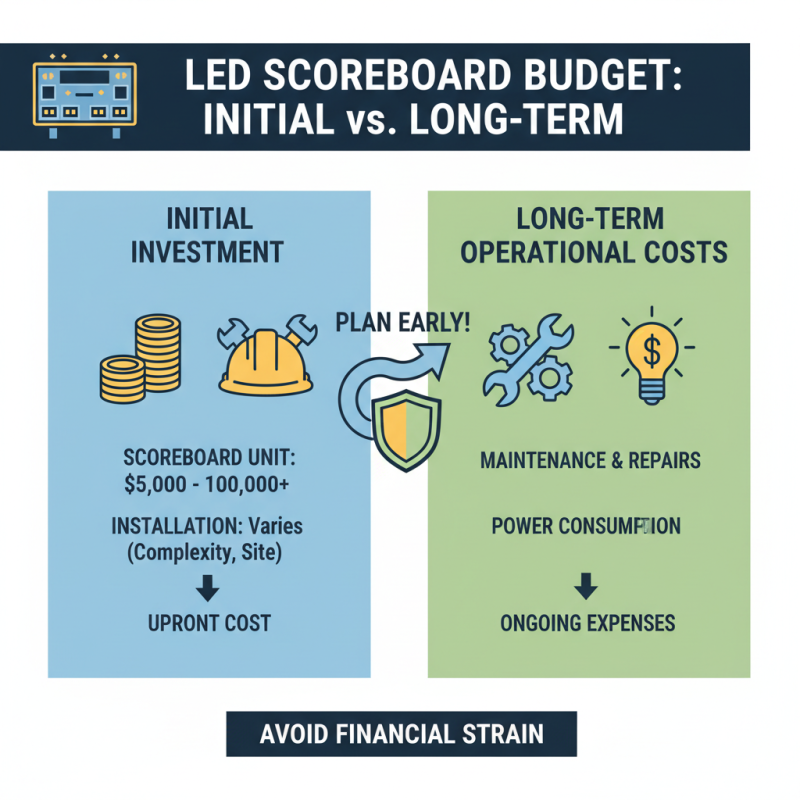
When budgeting for an LED scoreboard purchase and installation, it's crucial to consider both the initial investment and the long-term operational costs. Recent industry reports indicate that the average cost of a quality LED scoreboard can range from $5,000 to over $100,000, depending on the size and features. Facilities must also account for installation expenses, which can vary widely based on complexity and site-specific requirements. Including these costs in the budget early on can prevent unexpected financial strain down the line.
In addition to the upfront expenses, ongoing maintenance and energy consumption also warrant consideration. According to the U.S. Department of Energy, LED technology is significantly more energy-efficient than traditional scoreboards, often resulting in lower electricity bills. It's estimated that LED scoreboards can lead to energy savings of up to 75% compared to older models. Furthermore, maintenance costs for LEDs tend to be lower due to their durability; many have a lifespan of over 100,000 hours, which means fewer replacements and repairs compared to their incandescent or halogen counterparts. By evaluating these financial factors, sports facilities can make informed decisions that align with their budgetary constraints and long-term operational goals.
Maintenance and Durability Factors for Long-Term Use
When selecting an LED scoreboard for your sports facility, maintenance and durability are critical factors that can significantly impact its long-term use. A robust scoreboard should be designed to withstand various environmental conditions, including temperature fluctuations and moisture levels. Look for an enclosure that is rated for outdoor use if the scoreboard will be exposed to the elements. Additionally, consider the materials used in construction; corrosion-resistant components can contribute to a longer lifespan.
Regular maintenance is essential to ensure optimal performance over time. Choose a scoreboard that offers easy access for servicing, as this will make routine maintenance tasks, such as cleaning and power supply checks, more manageable. Some scoreboards come with self-diagnostic features that alert users to potential issues, enabling quick resolution and minimizing downtime during events. By prioritizing these factors in your selection process, you can ensure that your investment will endure the demands of frequent use and maintain its functionality and appearance for years to come.
LED Scoreboard Durability Ratings
Comparing Vendors and Warranties for LED Scoreboards
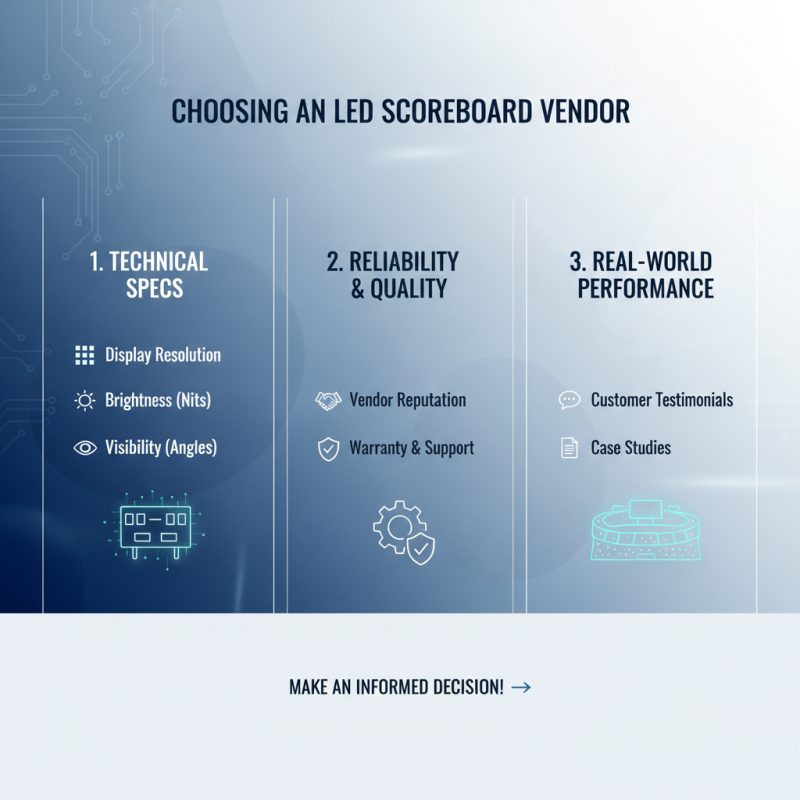
When selecting an LED scoreboard for your sports facility, comparing vendors is a crucial step. Not all scoreboards are created equal, and different manufacturers offer varying features, quality, and reliability. Start by evaluating the technical specifications of the scoreboards, such as display resolution, brightness, and visibility from different angles. Take the time to review customer testimonials and case studies from other facilities that have installed scoreboards from these vendors. This will provide insight into the real-world performance and durability of their products, helping to inform your decision.
Warranties play a vital role in the purchasing process as well. A strong warranty not only protects your investment but also indicates the manufacturer's confidence in their product. Look for vendors that provide comprehensive coverage, which typically includes parts and labor for a specific period. Understanding the warranty terms, such as what is covered and the duration, is essential to ensure you won’t face unexpected costs down the line. Additionally, inquire about the vendor's customer support services, as having access to responsive and knowledgeable assistance can be invaluable for maintaining the scoreboard over its lifespan.
FAQS
: When selecting an LED scoreboard, consider factors such as size and resolution for optimal visibility, durability to withstand environmental conditions, and energy efficiency to align with sustainability goals.
The size and resolution impact visibility, with optimal viewing distances generally ranging from 30 to 150 feet. Higher pixel density ensures that spectators can easily read scores and statistics from any angle.
Durable LED scoreboards are essential for outdoor environments as they can withstand harsh weather conditions, leading to a longer lifespan and reduced long-term maintenance costs compared to standard models.
Different sports require specialized LED scoreboards; for example, soccer scoreboards show scores and player statistics, basketball scoreboards manage shot clocks and fouls, while swimming scoreboards have split-time displays for wet conditions.
For outdoor scoreboards, prioritize weather resistance and visibility, while for indoor scoreboards, focus on resolution and aesthetic appeal in artificial lighting environments.
Assess the specific conditions of your sports facility, including environmental factors, size, and layout, to determine the best scoreboard that maximizes visibility and functionality.
Modern LED scoreboards consume significantly less energy (up to 75% less) than traditional scoreboards, making them a more sustainable option and reducing operational costs.
Look for user-friendly interfaces and connectivity options that simplify operation during events, enhancing ease of use for managing scores and game statistics.
A well-designed LED scoreboard enhances spectator engagement by providing clear and timely information about scores, game time, and player statistics, making the viewing experience more interactive and enjoyable.
Conclusion
When selecting the best LED scoreboard for your sports facility, several key factors must be taken into account. Understanding the specific requirements of your sports applications is crucial, as different sports may require varied types of LED scoreboards. Additionally, it's important to familiarize yourself with the technical specifications, such as brightness and resolution, to ensure optimal visibility and performance in your chosen environment.
Moreover, you'll need to weigh the advantages of outdoor versus indoor LED scoreboards, considering elements like weather resistance and placement options. Budgeting is essential; think about not only the initial costs of purchase and installation but also long-term maintenance and durability. Finally, comparing different vendors and their warranties can help you make an informed decision, ensuring that your LED scoreboard remains a valuable asset for years to come.