When you're dealing with gas-related environments, choosing the right Warning Led Gas Sign really matters. These signs are super important—they help alert folks to potential dangers. You want to make sure they're clear, easy to see, and reliable. Honestly, with so many options out there, picking the right one can feel pretty overwhelming.
It's a good idea to think about your specific needs first. Things like where you'll put the sign, how bright it needs to be, and what message you want to get across all matter. A well-placed warning sign can prevent accidents, no doubt about it. But if you choose the wrong one or don't place it properly, it might just cause confusion or even more risk. That’s why chatting with experts—like those at SafetyFirst Signs—can be a real lifesaver. They have tons of experience and can help you make smarter decisions.
And don’t forget to test out your sign once you get it. Make sure it works well in different conditions—bright sunlight, low light, whatever. It’s also smart to have backup safety measures in place, just to be extra safe. Taking the time to choose and test carefully shows you’re serious about safety, which is super important in environments where hazards are real. Making thoughtful choices today can definitely help save lives down the line.
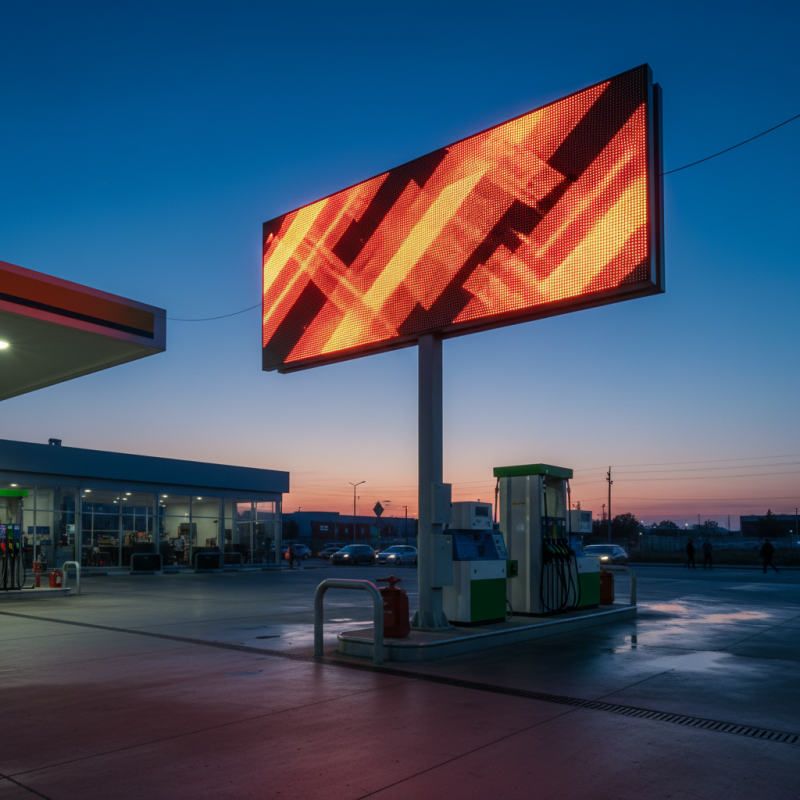
Understanding the Importance of Warning LED Gas Signs in Safety
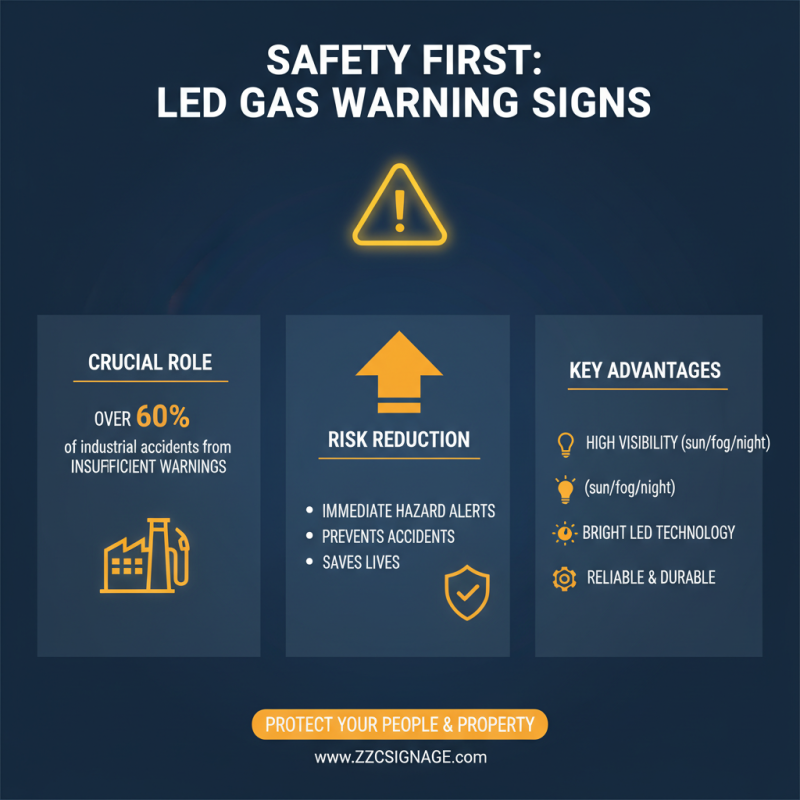
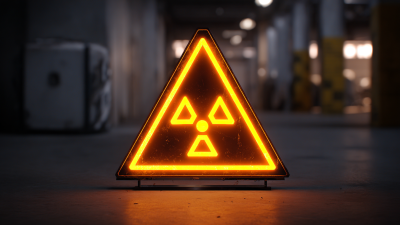
Warning LED gas signs play a crucial role in safety management, especially in high-risk environments like gas stations and industrial facilities. According to industry reports, over 60% of accidents in these settings occur due to insufficient warnings. A well-placed Led Gas Warning Sign can significantly reduce this risk by alerting individuals to potential hazards. The brightness and visibility of LED lights make them effective in various lighting conditions, which enhances their reliability.
However, the effectiveness of a warning LED gas sign goes beyond just visibility. Research indicates that signs with clear symbols and concise text can improve response times by up to 40%. Additionally, the placement of these signs must be strategic. A study revealed that 30% of safety incidents were linked to poorly positioned signs, highlighting the need for careful planning.
Choosing the right LED gas warning sign is essential, as not all signs are created equal. Factors like lumens, color, and durability matter. Interestingly, some facilities may overlook the importance of regular maintenance. A sign obscured by dirt or damage loses its effectiveness quickly. Being proactive in maintaining these warning systems is a vital part of a comprehensive safety strategy.
Key Features to Look for in LED Gas Signs
When selecting a warning LED gas sign, focus on key features that enhance safety. Brightness is paramount; a sign should be visible from a distance, even in harsh lighting conditions. Look for adjustable brightness settings. This allows the sign to remain effective at night and during the day without causing glare.
Durability is another essential feature. Gas signs often face extreme weather conditions, and signs made from weather-resistant materials ensure longevity. Check for waterproof and UV-resistant features. These add layers of protection against environmental damage.
Tips: Prioritize signs with clear, bold lettering. Clarity prevents misinterpretation during emergencies. Additionally, consider automatic sensors that adjust brightness based on ambient light. This not only saves energy but also keeps the sign effective at all times.
In terms of installation, ease is crucial. Complex installations can lead to errors. Choose signs that come with clear instructions. Reflect on the placement of the sign; visibility should be a priority in your selection process. Your final choice should combine functionality with visibility for optimal safety.
How to Choose the Best Warning LED Gas Sign for Safety? - Key Features to Look for in LED Gas Signs
| Feature |
Importance |
Description |
Recommended Specification |
| Visibility |
High |
Should be bright enough to be seen from a distance, even in daylight. |
Minimum 1500 lumens |
| Durability |
High |
Resistance to weather conditions and impacts. |
IP65 rating or higher |
| Power Source |
Medium |
Options for battery-operated or mains-powered units. |
AC and DC power options available |
| Size |
Medium |
Should be large enough to convey the message clearly from afar. |
At least 24 inches in width |
| Language Options |
Medium |
Multi-language options can cater to diverse communities. |
English, Spanish, bilingual versions |
| Energy Efficiency |
High |
Should consume less power for longer operational life. |
LED technology, less than 50 watts |
| Customization |
Medium |
Ability to change messages or graphics as needed. |
Programmable signs |
Types of Warning LED Gas Signs Available in the Market
Safety is paramount in industries dealing with hazardous materials. Choosing the right
Warning LED gas sign can make a significant difference. Various types are available.
Each serves a unique purpose. Understanding these options is crucial.
One popular type is the
Warning Led Pylon Sign. This sign is often tall,
making it visible from afar. Its bright lights can alert individuals to gas leaks or other dangers effectively. A study by the
National Safety Council found that proper signage can reduce accidents by up to
30%. This statistic highlights the importance of visibility in safety.
Flashing LED signs are another option. These can
catch attention quickly in emergencies. Their brightness increases awareness,
even in low-light conditions. However, not all signs are created equal. Some may not meet industry standards, leading to
potential safety risks. It's critical to verify that any sign complies with regulations. Investing in high-quality signs
may seem costly at first. Yet, they provide
long-term safety benefits, making them a wise choice.
Evaluating the Visibility and Brightness of LED Gas Signs
When assessing LED gas signs, visibility and brightness are paramount. The Illuminating Engineering Society states that signage should be visible from at least 500 feet away. A sign must stand out against various backgrounds, especially in varying light conditions. Studies show brightness levels of 2,500 nits or more provide optimal visibility during daylight hours.
Incorporating red and green colors in your design can enhance recognition. Color contrast is vital; a red Warning Led Sign Board on a black background is highly effective. According to ANSI standards, maintaining contrast ratios of 3:1 can significantly improve readability. However, excessive brightness may cause glare, creating distractions instead of safety. Monitoring local light pollution regulations is also essential.
Tips for selecting a sign include assessing the environment where it will be placed. Consider aspects like distance, weather conditions, and light sources nearby. Evaluate offerings with adjustable brightness settings to ensure flexibility. Regularly inspect and maintain your signage to prevent burnout or fading, which diminishes effectiveness. A well-maintained warning led sign board not only enhances safety but also demonstrates commitment to public well-being.
Safety Standards and Regulations for LED Gas Signs
When selecting a Warning Led Gas Sign, adhering to safety standards is crucial. The National Fire Protection Association (NFPA) establishes guidelines for signage in hazardous locations. Their codes emphasize visibility and clarity. A well-designed LED gas sign must meet these recommendations to ensure safe operation.
Research indicates that bright LED signs enhance visibility by up to 40% compared to traditional signs. Proper placement, coupled with the right color contrast, can significantly reduce accidents in gas facilities. Color choices should align with the ANSI Z535 standard, which specifies colors for safety signs. This compliance not only fosters safety but also ensures that signs are recognizable even from a distance.
Regular audits of inspection records have shown that many facilities struggle to maintain compliant signage. Furthermore, nearly 30% of facilities reported outdated warning signs. Operators should frequently review and replace aging signs. Maintaining compliance requires diligence in installation and routine checks. Investing in a reliable Warning Led Lightbox can be a beneficial choice for enhancing safety.
Installation Considerations for Effective Warning LED Gas Signs
When installing warning LED gas signs, placement is key. The sign should be highly visible from a distance to effectively alert individuals. Consider areas with high foot traffic and potential gas hazards. Mount the sign at eye level for maximum impact. Ensure the background does not obscure the sign’s visibility.
The installation process requires attention to detail. Verify that the power source is safe and complies with local regulations. Weatherproofing is crucial if the sign is exposed to the elements. Proper mounting hardware helps in maintaining the sign’s stability. It can be frustrating if a sign becomes loose or falls.
Incorporate regular maintenance checks to ensure the sign is functioning. Experience shows that neglecting this can lead to failures during crucial moments. Think about how your workforce or visitors will interact with the sign. Assess their ability to notice it quickly. The effectiveness of the warning sign heavily relies on its design and placement. Strive for improvements in your installation approach over time.
Maintenance Tips to Ensure Longevity of LED Gas Signs
Maintaining LED gas signs is crucial for safety and longevity. Regular inspections play a vital role. Look for any flickering lights or color inconsistencies. These issues can indicate underlying problems. Addressing them early prevents larger failures.
Cleaning is another essential task. Dust and grime can accumulate over time. This buildup reduces visibility and effectiveness. Use a soft cloth and mild cleaning solution. Avoid abrasive materials that might scratch the sign. Remember, a well-maintained sign is safer.
Check the electrical connections periodically. Loose or corroded wires can lead to malfunction. Professional inspections are valuable. They ensure signs meet safety standards. If signs fail to perform, it reflects poorly on your commitment to safety.
Don’t forget the surroundings. Overgrown weeds or debris can obscure signs. Keep the area clear and well-lit. All these steps seem simple but are often overlooked. A small oversight can have serious consequences.
Safety Sign Performance Comparison
Optimizing Fuel Efficiency and Customer Experience at Hongcheng Petroleum Gas Station
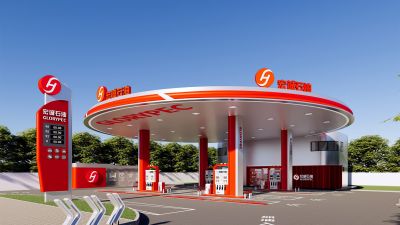
In today's highly competitive landscape of fuel retailing, optimizing fuel efficiency while enhancing customer experience is paramount for gas stations. Our project at Hongcheng Petroleum Gas Station on the Gaopi Expressway integrates innovative design with functionality, aiming to create a seamless experience for motorists. The design concept, characterized by a harmonious blend of Chinese red and pure white, not only captures attention but also symbolizes energy and purity, resonating with the expectations of modern consumers.
Recent industry reports indicate that the incorporation of advanced car wash equipment and convenience store facilities can increase overall customer satisfaction by up to 30%. By implementing a well-thought-out layout that includes a spacious convenience store and designated car wash area, Hongcheng Petroleum provides added value, catering to the diverse needs of its clientele. Additionally, landscaping signage and a prominent pylon sign improve visibility and brand presence, significantly contributing to the station's competitive edge.
Furthermore, the architectural elements such as aluminum ceilings and column coverings not only enhance aesthetic appeal but also ensure durability and low maintenance. This thoughtful integration of design and practicality not only boosts fuel efficiency through optimized operational layouts but also fosters a welcoming environment that enhances customer loyalty. Investing in the customer experience is an essential strategy; projections show that stations prioritizing this can witness revenue increases of up to 15% annually.
FAQS
: Safety standards ensure visibility and clarity in hazardous locations. They help prevent accidents.
Bright LED signs enhance visibility by up to 40%, reducing accidents in gas facilities.
Color choices should align with ANSI Z535 standards for recognition and safety from a distance.
Regular inspections are crucial. Look for flickering lights or color inconsistencies, which can indicate problems.
Use a soft cloth and mild cleaning solution. Avoid abrasive materials to prevent scratches.
Loose or corroded wires can cause malfunctions. Regular checks help maintain safety compliance.
Overgrown weeds or debris can obscure signs. Clear areas ensure visibility and safety.
Neglecting maintenance can lead to larger failures and reflect poorly on safety commitment.
Facilities should review and replace aging signs regularly to maintain compliance and visibility.
Regular audits, inspections, and prompt replacements of signs demonstrate a strong safety commitment.
Conclusion
When it comes to ensuring safety in gas-related environments, choosing the right Warning Led Gas Sign is crucial. These signs play a vital role in alerting individuals about potential hazards, thereby preventing accidents. Key features to consider include visibility, brightness, and compliance with safety standards and regulations. Different types of LED gas signs are available in the market, each designed to fit specific needs and environments.
Evaluating the visibility and brightness is essential, as these factors determine how effectively the sign communicates safety information. Additionally, proper installation and regular maintenance are necessary to ensure the longevity and effectiveness of the Warning Led Gas Sign. By paying attention to these considerations, one can select a sign that not only meets safety requirements but also enhances overall safety in gas-related areas.