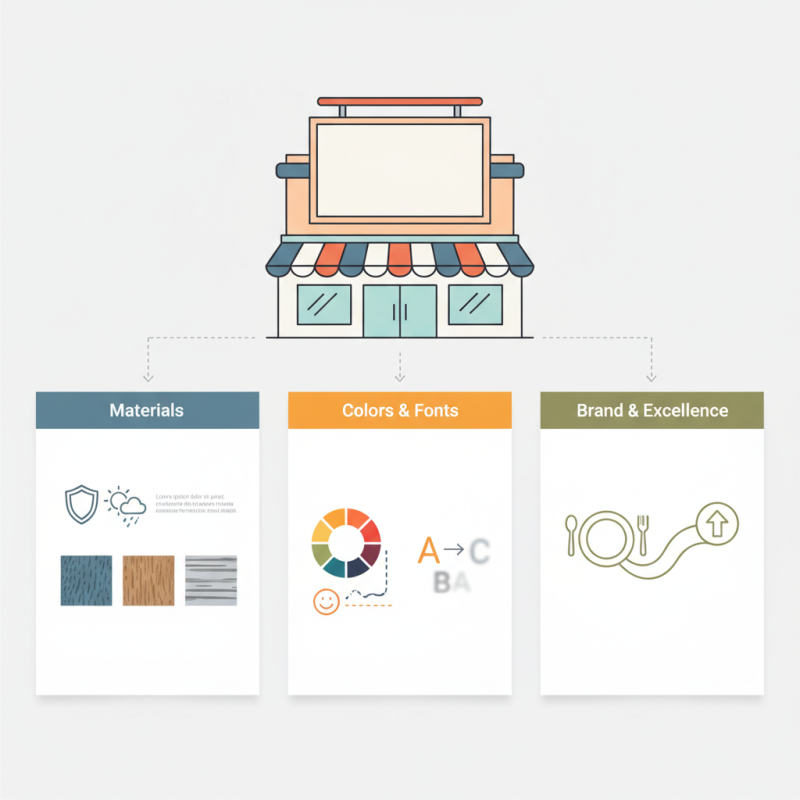
When it comes to standing out in the crowded world of restaurants, having a good Restaurant Sign Board really makes all the difference. Think of it as your first handshake with potential customers—if it catches the eye, you're halfway there. A really eye-catching sign can bring people in, but if it's dull or poorly designed, folks might just walk right past.
Picking the right materials for your sign is super important, too. Quality materials mean your sign will look good and last longer—no one wants to keep replacing signs every year, right? Sadly, some businesses overlook this part, focusing only on how it looks without considering how it can handle weather conditions over time.
And don’t forget about colors and fonts! They might seem like small details, but they actually play a huge role in how your message gets across. Bright, inviting colors can stir up emotions, and clear, easy-to-read fonts are a must—especially since many signs use trendy fonts that are tough to read from a distance. Paying attention to these little things can really boost your restaurant’s visibility and make a solid impression. After all, your sign isn’t just about branding; it’s also about showing that you care about quality and excellence!
Understanding the Importance of a Good Restaurant Sign Board
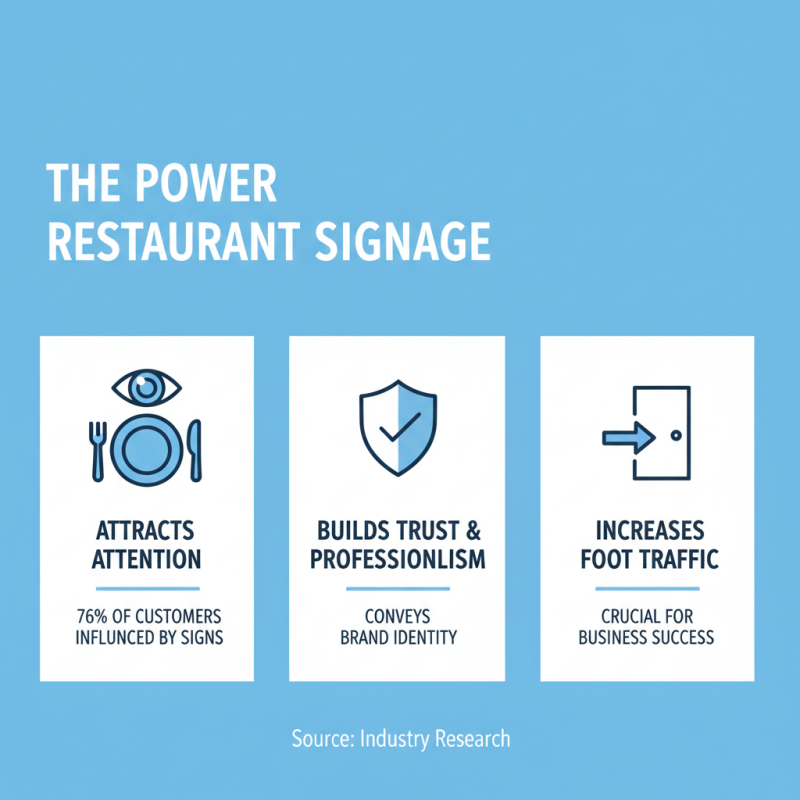
A good restaurant sign board is crucial for business success. Research indicates that nearly 76% of all customers indicate that signage influences their decision to enter a restaurant. A well-designed sign not only attracts attention but conveys your brand's identity. This creates an immediate sense of trust and professionalism, essential for drawing in foot traffic.
Signage should reflect the theme of your restaurant. Studies have shown that a cohesive branding strategy can increase revenue by 10% to 20%. Simple yet effective signs, featuring clear fonts and appealing visuals, enhance visibility. Additionally, maintaining the sign's condition can prevent negative impressions. A worn-out or poorly lit sign can leave potential customers questioning the quality of your food and service.
Investing in a well-thought-out sign board requires reflection on your brand message. Take time to consider color, icons, and fonts. Each element should resonate with your target audience. Regular assessments of your signage's effectiveness will ensure it remains relevant and engaging. Adapting to customer feedback is necessary but can be overlooked. Engaging professionals for advice might be beneficial, as industry trends evolve.
Identifying Your Restaurant's Brand Identity and Message
When selecting a restaurant sign board, understanding your brand identity is crucial. Your sign should reflect the essence of your restaurant. This includes your cuisine type, ambiance, and target audience. A report by the Sign Research Foundation states that 76% of customers enter a business solely based on its signage. Thus, an effective sign is not just an advertisement; it’s a visual representation of your brand's message.
Consider these tips to align your sign with your brand identity. Choose colors that evoke emotions associated with your food and atmosphere. For example, warm colors can create a welcoming environment, while cooler tones may suggest elegance. Fonts should be easy to read and consistent with your theme. If you're a casual diner, opt for playful typography; if upscale, lean towards sleek and modern designs.
Evaluate your sign regularly. Ask for feedback on its effectiveness. You might find that it doesn’t resonate with your audience as intended. Perhaps your message isn't clear, or the design feels outdated. Keeping your brand fresh is essential. Update your sign to reflect any changes in your menu or ambiance. Understanding and communicating your restaurant's identity through your sign board can attract the right customers and enhance brand loyalty.
Choosing the Right Material for Your Sign Board
Choosing the right material for your restaurant sign board is crucial. The sign is often the first thing customers see. Therefore, it should reflect the essence of your business. Materials like wood, metal, or acrylic each have their own advantages. Wood can give a warm, rustic feel, while metal can look sleek and modern. Acrylic can offer vibrant colors and durability.
Consider your restaurant's theme when selecting materials. A casual eatery might benefit from a chalkboard sign, inviting and informal. Meanwhile, a fine dining establishment may require a polished finish. Think about weather resistance as well. For an outdoor sign, materials must withstand the elements. You wouldn’t want to replace your sign frequently, right?
Engaging a restaurant renovation contractor in Guangzhou can provide valuable insights. They understand local design trends and can suggest materials that fit your budget. This collaboration can lead to a well-crafted sign that catches the eye. However, it’s also important to be open to adjusting ideas during the process. Flexibility can lead to unexpected, delightful results. Don't hesitate to explore unconventional materials or finishes that may enhance your branding.
Selecting Effective Colors and Fonts for Visibility
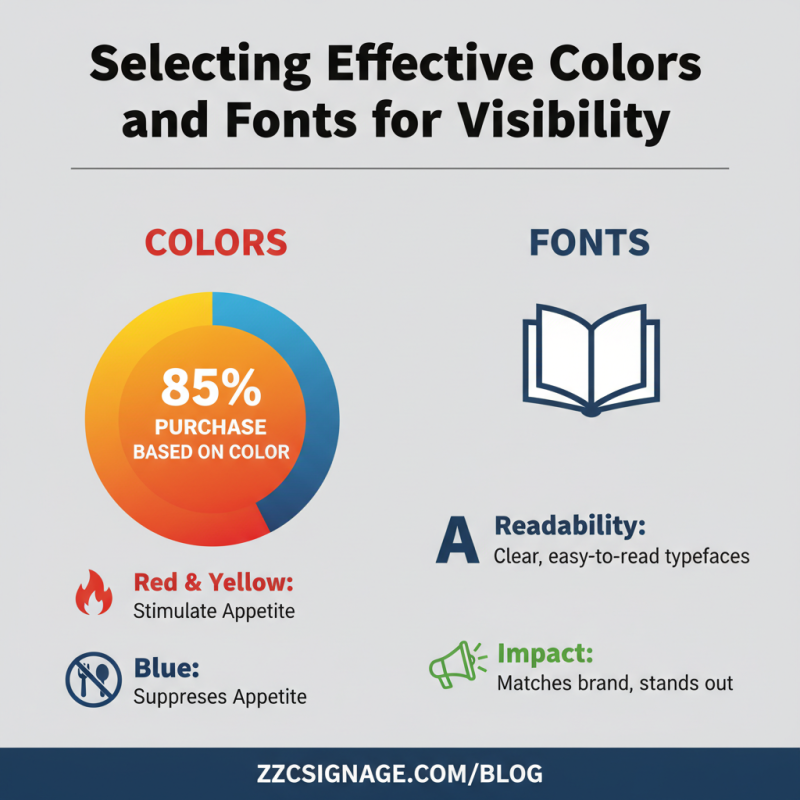
Choosing effective colors and fonts for your restaurant sign board is vital for attracting customers. Research indicates that 85% of consumers make a purchase based on color alone. Bright colors like red and yellow can stimulate appetite, while blue is known to suppress it. Thus, if you're exploring how to design a profitable restaurant layout, consider these color implications carefully.
Fonts also play a significant role in visibility and brand perception. A readable font can enhance the sign's impact. According to a survey, 70% of people believe that the quality of a font reflects the quality of a business. Simple, bold fonts often work best in outdoor signage due to their easy readability from a distance.
Tip: Test color combinations and font styles in real-world settings. Get feedback from potential customers on what draws their attention. Also, ensure that your sign contrasts well against its background to maintain visibility. A backlit design can improve nighttime visibility, making it easier for patrons to find your restaurant in low-light conditions.
Determining the Optimal Size and Placement of Your Sign
Choosing the right size and placement for your restaurant sign board is crucial. A well-placed sign can increase visibility and attract more customers. According to a study by the Sign Research Foundation, about 60% of customers reported that they often decide where to eat based on signage. The location of your sign matters immensely. It should be positioned where foot traffic is highest.
Consider mounting your sign at eye level. This height allows it to catch the attention of passersby easily. Additionally, the size of the sign should correspond to the distance from which it will be viewed. Larger signs work well for busy streets, while smaller signs can suffice in quieter areas. Research suggests that signs with clear, bold fonts are read more quickly, making communication straightforward.
Tip: Always test your sign’s visibility from different angles. Stand at various distances to ensure it’s easily readable. Think about how the sign fits with the overall aesthetic of your restaurant. It should complement your brand without overwhelming it.
Experiment with different placements before making a final decision. Sometimes, relocating a sign a few feet can enhance visibility significantly. Frequent adjustments based on customer feedback may illuminate what works best in your area.
Optimal Size and Placement of Restaurant Sign Boards
Incorporating Lighting and Digital Elements into Your Signage
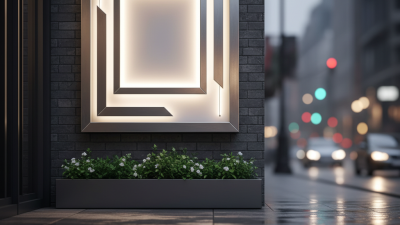
When selecting a signboard for your restaurant, consider the impact of lighting and digital elements. A well-lit sign automatically draws attention. For example, backlit signs can create a soft glow that highlights your brand during nighttime. LED lights provide brightness and energy efficiency, making them a smart choice. They can be programmed to change colors or even display dynamic messages, enhancing visibility and ambiance.
Digital signage is becoming more common in modern restaurant design. It allows for flexibility in updating menus or promoting events. Imagine showcasing daily specials on a vibrant screen. This keeps your content fresh and engaging. However, balance is key. Overly bright screens can be overwhelming. They might distract rather than attract potential customers.
Incorporating these elements requires careful planning. Analyze your location and target audience. For instance, an upscale dining venue may opt for subtle lighting. In contrast, a family-friendly restaurant could benefit from a colorful digital display. The concept of Xishangxi restaurant design emphasizes the harmony of aesthetics and functionality. Always remember to reflect on your choices. Ensure your signage aligns with your overall brand identity and enhances the customer experience.
Navigating Local Regulations and Permitting for Signage
Navigating local regulations for signage can be tricky. Each city or state may have different rules about what types of signs are permissible. You must check zoning laws first. These laws dictate where and how you can display your sign. Ignoring these regulations can lead to fines or forced removal.
Permits are often required for installing an Acrylic Sign Board. The application process can be daunting. Some local councils may have specific guidelines for size, lighting, and materials. Preparing your documents beforehand can save you time. If your application is denied, it may feel disheartening. Reflecting on why it was rejected can help you make the necessary adjustments.
Consider consulting a local expert. They can provide insights that improve your chances for approval. Understanding aesthetic standards can also be critical. A sign that blends with the community is more likely to be accepted. While you may have a vision for your Acrylic Sign Board, compromising can lead to better outcomes. Every detail counts in ensuring compliance with local regulations.
How to Choose the Best Restaurant Sign Board for Your Business? - Navigating Local Regulations and Permitting for Signage
| Sign Type |
Material |
Size (ft) |
Cost Estimate ($) |
Permitting Required |
| Awning Sign |
Fabric |
10 x 3 |
300 |
Yes |
| Channel Letter Sign |
Metal |
8 x 2 |
1500 |
Yes |
| Sandwich Board |
Wood |
2 x 3 |
100 |
No |
| Pylon Sign |
Plastic |
12 x 6 |
2500 |
Yes |
| Window Sign |
Vinyl |
Varies |
75 |
No |
Innovative Design Strategies for Transforming Your Restaurant Interior with Xishangxi's Expertise
In today's competitive dining landscape, the interior design of restaurants plays a vital role in attracting and retaining customers. Innovative design strategies not only enhance the aesthetic appeal but also influence the overall dining experience. According to a report by the National Restaurant Association, 60% of diners believe that the ambiance of a restaurant significantly impacts their choice of where to eat. As such, transforming restaurant interiors with fresh, engaging designs can be a game changer.
One effective strategy is the integration of functional spaces that promote social interaction while providing comfort. For example, incorporating communal tables or flexible seating arrangements allows restaurants to cater to both large groups and intimate gatherings. The utilization of vibrant colors and unique textures can create a stimulating environment that encourages diners to linger, thus increasing table turnover rates. Additionally, using local materials and sustainable practices can resonate with eco-conscious consumers, reinforcing positive brand perception.
Furthermore, leveraging technology in the design process, such as augmented reality or virtual reality, can present an immersive experience for prospective clients. Studies suggest that immersive design techniques can increase customer engagement by up to 50%. By tailoring the interior layout and aesthetics to fit the target demographic, restaurants can create a memorable dining experience that not only satisfies but also captivates the audience, ultimately leading to increased customer loyalty.
FAQS
: A well-designed sign attracts customers and conveys trust. About 76% of customers are influenced by signage.
Cohesive branding can boost revenue by 10% to 20%. Simple signs with clear fonts enhance visibility.
Reflect on your brand message, colors, icons, and fonts. Each element should resonate with your audience.
Well-lit signs grab attention. Backlit and LED lights enhance visibility but should not be overly bright.
Digital signage allows for flexible updates. It keeps content fresh, like showcasing daily specials on vibrant screens.
Local laws vary; check zoning rules before displaying your sign. Ignoring them can result in fines.
Permits may be required for installation. Preparation can streamline the application process and avoid rejections.
Local experts guide you on regulations and aesthetic standards, improving your chances for sign approval.
Regular assessments ensure your sign remains relevant. Customer feedback should guide improvements, despite potential challenges.
A denied application can be frustrating. Reflect on the reasons and make necessary adjustments to increase approval chances.
Conclusion
A restaurant sign board is a crucial element of your business, as it serves as the first impression to potential customers. Understanding the importance of a well-designed sign can set the tone for your brand identity and message. When creating your sign board, consider the material that best suits your restaurant's aesthetics while ensuring durability.
Effective colors and fonts are essential for visibility, allowing your sign to stand out and attract attention. The size and placement of your sign should be optimal, ensuring it is easily seen by passersby. Additionally, incorporating lighting and digital elements can enhance visibility during nighttime and engage customers. Lastly, it’s important to navigate local regulations and permitting requirements to ensure your sign complies with local laws, allowing your restaurant sign board to effectively draw in patrons while adhering to community standards.