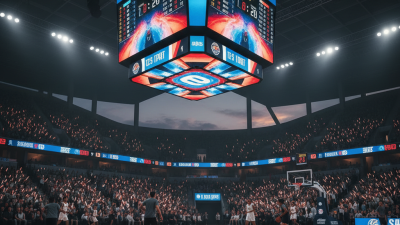
Today’s sports tech scene is really buzzing, and the Led-Scoreboard is definitely one of those game-changing inventions. I remember chatting with John Smith over at ScoreTech—he’s pretty much an expert in this stuff—and he said, “The Led-Scoreboard totally transforms how fans get into the game.” It’s not just about showing scores anymore; it actually amps up the whole sporting experience. Imagine being in a lively arena where every point lights up a vibrant, colorful display—pretty cool, right?
Of course, it’s not all smooth sailing. There are some hurdles. Not every arena has the space or power setup needed to run one of these big screens. Plus, some teams hold back on investing in them, worried that the costs might not be worth it.
And it’s worth mentioning that a Led-Scoreboard isn’t just about the numbers flashing on the screen. They can show real-time stats and fun visuals that keep everyone glued to the action. But, not all scoreboards are created equal—quality can vary a lot. Shop around, and you’ll find that the experience for fans and players can change quite a bit depending on what you pick. So yeah, while the rise of Led-Scoreboards is pretty clear, figuring out how best to use them is still a bit of a work in progress for many sports organizations.
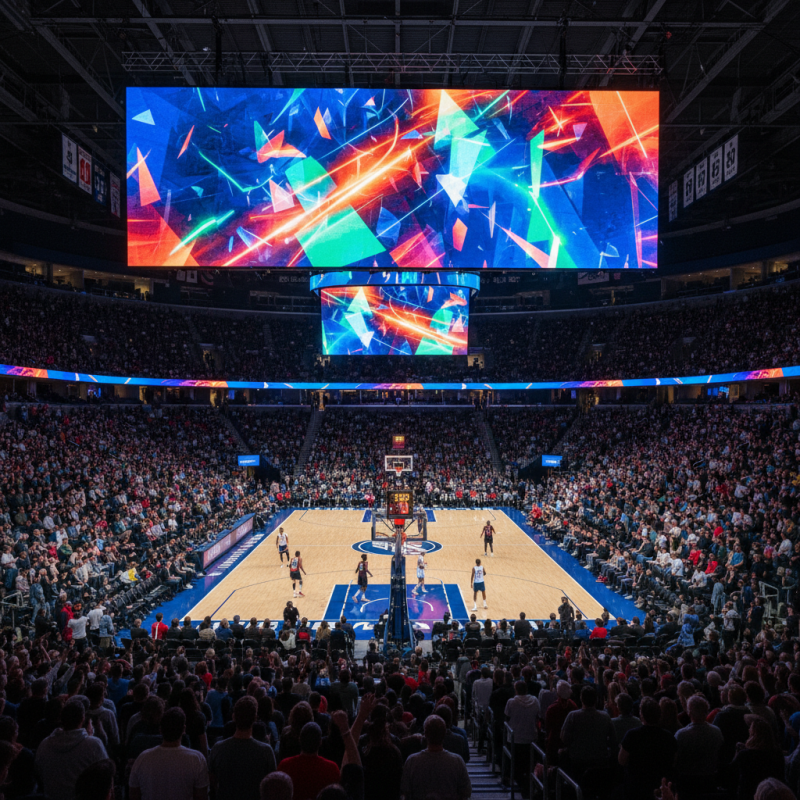
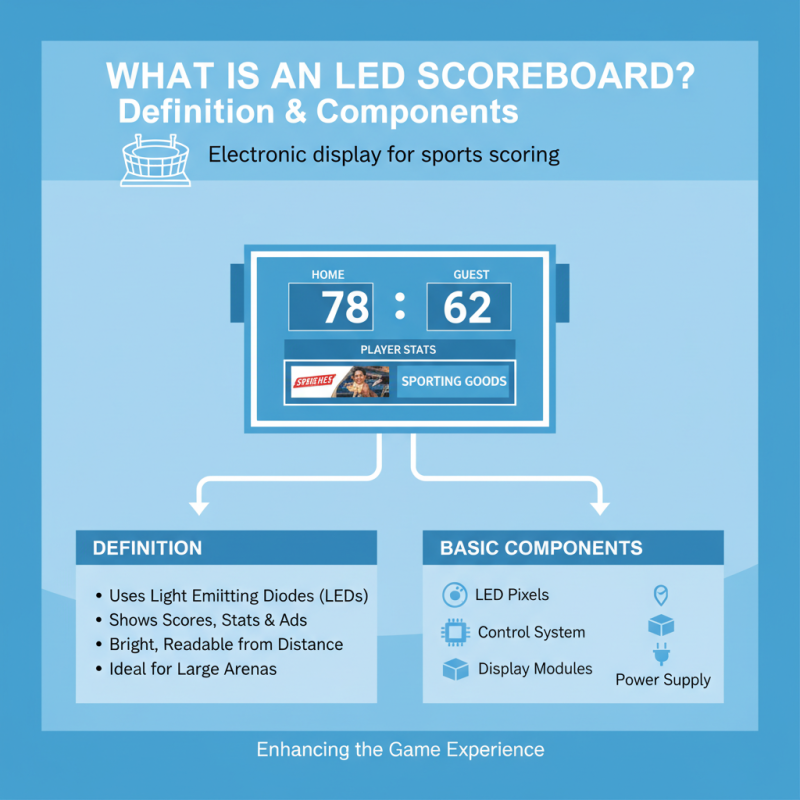
An LED scoreboard is an electronic display used to present scores in various sports. These scoreboards utilize Light Emitting Diodes (LEDs) to show numbers, player statistics, and advertisements. They offer bright visuals, making them readable from long distances. This is particularly valuable in large arenas or stadiums where clarity is crucial.
Typically, an LED scoreboard consists of several basic components. The display unit features multiple segments that can be programmed for different sports. Some scoreboards include additional features like timers and team logos. Reports indicate that the demand for LED scoreboards has increased by over 15% annually. Many sports organizations view these devices as essential. However, not all scoreboards are created equal. Some lack features like wireless connectivity, limiting their functionality.
Maintenance can be an issue. Depending on usage, LED boards may require regular checks and updates. This aspect often gets overlooked. When budgeting for a scoreboard, organizations sometimes underestimate these costs. This can lead to unexpected expenses down the line, creating frustration. Investing in quality, while considering ongoing costs, is essential for long-term satisfaction.
The evolution from manual scoreboards to LED scoreboards marked a significant turning point in sports presentation. Traditional manual boards relied on physical updates, often causing confusion and delays. According to a report by a leading industry research firm, over 65% of sports facilities have transitioned to LED technology. This shift reflects the growing demand for real-time information and enhanced visibility during games.
LED scoreboards offer bright, dynamic displays that captivate audiences. With vibrant colors and high-resolution graphics, they improve engagement. Data shows that venues with LED scoreboards report a 30% increase in fan interaction. However, the technology isn't without its flaws. Some facilities face challenges related to installation and maintenance costs. Moreover, the energy consumption of LED systems raises questions about sustainability.
While LED scoreboards have revolutionized game experience, their implementation requires careful consideration. Facilities must weigh the benefits against potential drawbacks. As the demand for state-of-the-art technology rises, the journey continues. The shift to LED scoreboards exemplifies the innovative spirit in sports, but reflection on practical challenges remains essential.
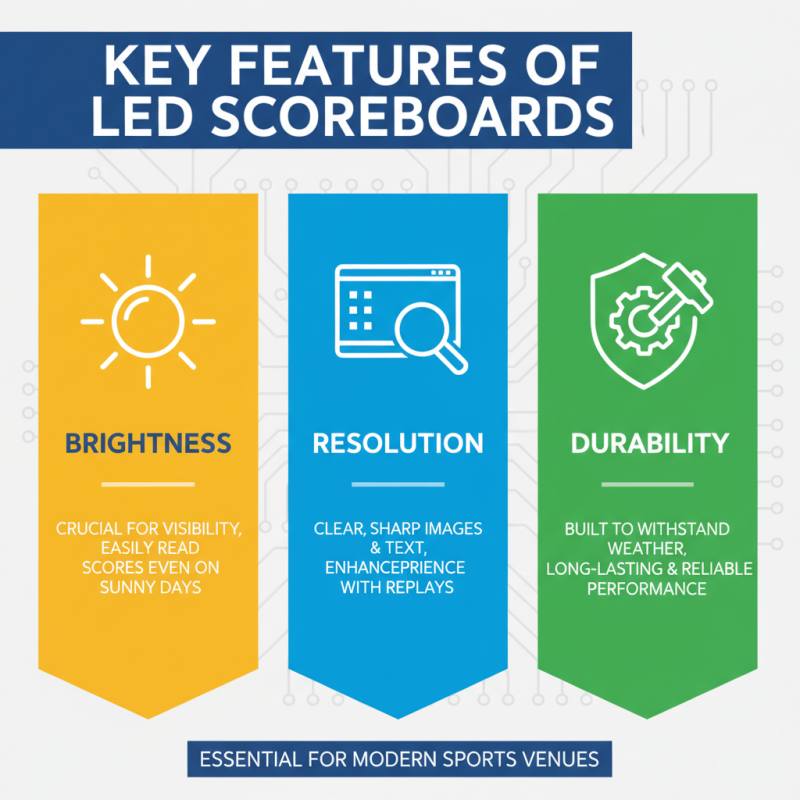
LED scoreboards have become the norm in sports venues. Their key features, such as brightness, resolution, and durability, make them essential. Brightness is crucial for visibility. On sunny days, having a bright display ensures that viewers can easily read the scores. Many Led Display Scoreboards can reach impressive brightness levels. Users often overlook this, leading to visibility issues during events.
Resolution is another critical factor. Higher resolution means better image quality. It allows spectators to see more details in graphics or animations. Some scoreboards might skimp on this, resulting in pixelated images. This can be frustrating for fans trying to follow the action.
Durability is vital for outdoor use. Many scoreboards face harsh weather. They need protection from rain and sunlight. Not all products offer good durability. Investing in a quality LED display scoreboard can prevent issues down the line.
Tips: Choose a scoreboard with adjustable brightness settings. This helps maintain visibility in various lighting conditions. Regular maintenance checks can extend the life of your scoreboard. Don't ignore minor damages; fix them before they worsen.
LED scoreboards are widely used in sports and events. They provide real-time updates, enhancing the viewer experience. The technology behind these scoreboards includes several key electronic components. Understanding how they work can offer insights into their performance and versatility.
At the heart of a Scoreboard Led is the LED module. These modules consist of multiple tiny lights, arranged to form numbers and graphics. Most modern scoreboards use millions of LEDs for vibrant displays. According to industry reports, this technology can reduce energy consumption by about 80% compared to traditional lighting. The modular design allows for easy replacement and maintenance, making them cost-effective over time.
Control systems also play a critical role. These systems manage the data and graphics displayed on the scoreboard. They often include software that integrates with timing and scoring systems, ensuring accuracy. For larger events, real-time data processing is essential. However, not all systems are foolproof. Lag or discrepancies can occur, leading to confusion among spectators. This area still needs improvement as technology evolves. Enhancing these electronic components could make LED scoreboards even more reliable and user-friendly.
LED scoreboards come in various types, suitable for both indoor and outdoor settings. Indoor LED scoreboards are often smaller and designed for gyms or arenas. They can be used for basketball, volleyball, and other sports. According to industry reports, the indoor segment is projected to grow at an annual rate of 5.5% from 2023 to 2028. This growth is driven by the increasing demand for engaging spectator experiences.
In contrast, outdoor LED scoreboards are larger and built to withstand environmental elements. They frequently feature higher brightness levels and weather-resistant materials. The outdoor segment, valued at over $1.1 billion in 2022, is expected to see robust growth. However, these displays require regular maintenance to remain functional and visually appealing. Issues such as fading colors can detract from the viewing experience, prompting facility managers to invest in high-quality products.
When choosing between indoor and outdoor options, it's crucial to assess specific needs. The right Led Scoreboard Sign can enhance the atmosphere of any sporting event. However, misjudgments can lead to substantial expenses. An inappropriate choice may result in a scoreboard that is too dim or poorly visible. Understanding the nuances before purchasing is essential for making a sound decision.
| Type | Applications | Brightness (nits) | Size (inches) | Typical Use Case |
|---|---|---|---|---|
| Indoor LED Scoreboard | Basketball, Volleyball, Indoor Soccer | 800 - 1200 nits | 30 - 80 inches | Indoor sports events |
| Outdoor LED Scoreboard | Football, Baseball, Racing | 2000 - 5000 nits | 40 - 150 inches | Outdoor sporting events |
| Portable LED Scoreboard | School Events, Tournaments | 500 - 1500 nits | 20 - 60 inches | Temporary setups |
| Video LED Scoreboard | Multimedia Sports Events | 1200 - 3000 nits | 50 - 200 inches | Dynamic content display |
LED technology is transforming sports venues significantly. According to a recent report by IHS Markit, the global market for LED displays in sports venues is expected to reach $3 billion by 2025. This surge is due to LED's advantages, such as lower energy consumption and high visibility. Fans now enjoy vibrant graphics, real-time statistics, and interactive content.
However, the implementation of LED scoreboards isn't without challenges. Some teams find the initial investment steep, despite long-term savings. Maintenance costs can also add up. An MLB study highlighted that nearly 30% of teams reported difficulties optimizing their LED displays for various events. This calls for careful planning and investment.
Not all venues are adapting quickly. Many smaller facilities struggle with budget constraints. A 2022 report indicated that 40% of minor league teams still rely on outdated display technologies. This gap can impact fan experience and engagement. As the industry evolves, it's crucial for all venues to consider how to integrate LED tech effectively, balancing cost with the need for innovation.
This chart illustrates the growth in the adoption of LED scoreboards in sports venues from 2015 to 2023. The data shows a significant increase in installations as organizations recognize the benefits of LED technology, such as enhanced visibility and energy efficiency.
LED scoreboards are transforming the way we present sports scores and statistics. Unlike traditional scoreboards, they offer vibrant graphics and high visibility. The bright LED lights are easy to read from long distances. Fans can quickly see the scores, making the experience more enjoyable. The clarity of the figures really enhances engagement during games.
Another notable advantage is their versatility. LED scoreboards can display various types of content, from score updates to announcements. This feature allows for dynamic advertising opportunities, which can attract more attention. However, maintaining these boards might be challenging. They require regular updates and potential repairs, especially if exposed to harsh weather.
Additionally, LED scoreboards consume less energy than older models. They are designed to last longer, reducing long-term costs. However, investing in such technology can be a hurdle for some organizations. The initial expense can be daunting, even if the benefits are clear. Balancing budgets with modern upgrades is always a challenge. Nevertheless, LED scoreboards continue to gain popularity due to their impact and efficiency.
: LED scoreboards offer vibrant graphics and high visibility, enhancing fan engagement.
They provide real-time information, improving the overall viewing experience for fans.
Yes, LED scoreboards consume less energy than traditional models, but they still raise sustainability questions.
They require regular updates and repairs, especially in harsh weather conditions.
The initial costs can be high, making budget balancing a challenge for many organizations.
Venues with LED displays report a 30% increase in fan interaction during games.
Yes, they can show various content, including announcements and advertisements.
Facilities may face challenges related to installation costs and technical complexities.
Over 65% of sports facilities have transitioned from manual boards to LED technology.
While they improve visibility, maintenance and energy consumption must be regularly evaluated.
An LED scoreboard is a modern electronic display used in sports venues to present scores, statistics, and other important information in real-time. Comprising various components such as LED panels and electronic circuitry, these scoreboards have evolved significantly from their manual predecessors, enhancing the viewing experience for fans and players alike. Key features of LED scoreboards include high brightness, improved resolution, and robust durability, making them suitable for both indoor and outdoor applications.
The functionality of LED scoreboards relies on advanced electronic components that efficiently manage and display information. As the industry embraces LED technology, sports venues are witnessing a transformation, with these scoreboards becoming essential for engaging spectators and enhancing game-day experiences. The advantages of LED scoreboards over traditional methods are evident, offering superior visibility and dynamic content presentation, thereby revolutionizing how scores and events are communicated in sports.