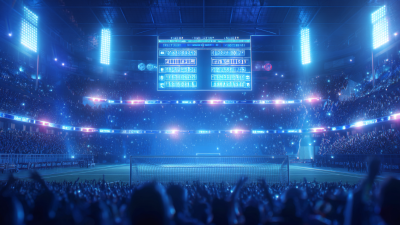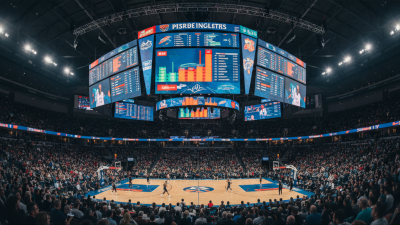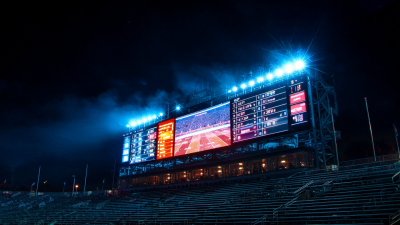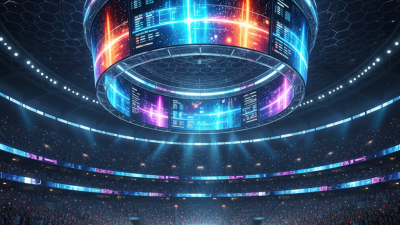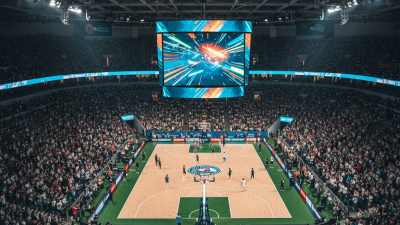
When you think about sports, having up-to-the-minute info is a total game-changer. That’s where the Led Scoreboard Display really comes into play, whether you're a fan cheering from the stands or a player keeping track on the field. Emily Wright, who's pretty much an expert over at BrightScore Technologies, puts it nicely: “A well-designed score display amplifies the thrill of any game.” Her insights give us a peek behind the curtain of the tech that makes all this possible.
So, how does the Led Scoreboard actually work? It uses a bunch of tiny light-emitting diodes—those little LEDs—that light up in vibrant colors and are easy to see from really far away. In stadiums, having clear scores and messages can honestly make or break the whole experience for the spectators. Every display is tailored to the venue, from size to features, so it fits just right.
Of course, it’s not all smooth sailing. Maintaining these displays can be a bit tricky, especially with tech evolving so fast. Teams often have to stay on top of updates to keep things fresh and relevant. More than just a fancy gadget, the Led Scoreboard really shapes how we experience sports these days. And as Emily Wright reminds us, it's all about finding that sweet spot between cutting-edge innovation and practical function—that’s what keeps everything running smoothly and exciting for everyone involved.
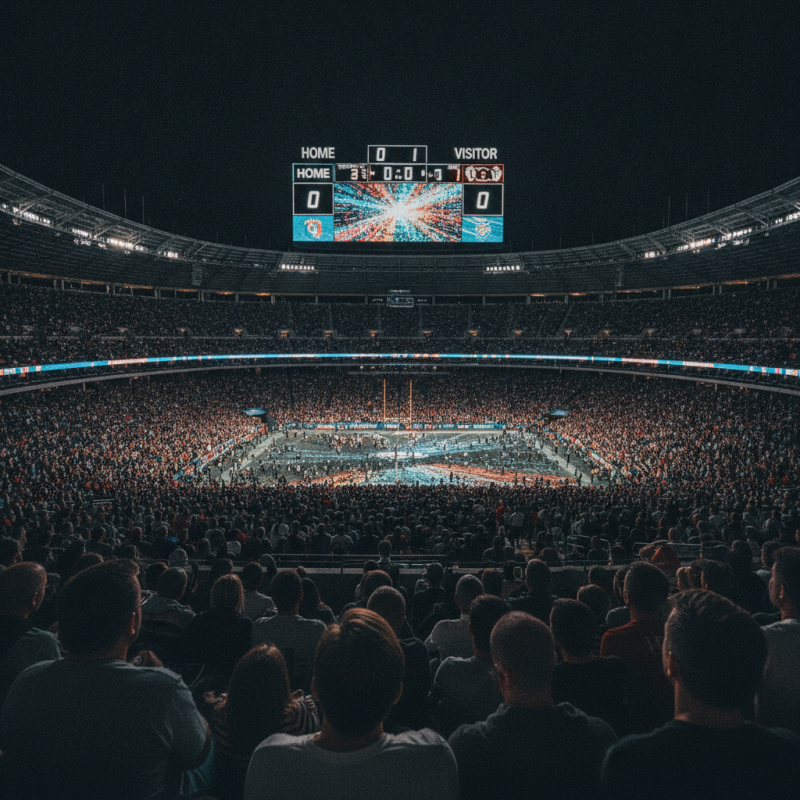
An LED scoreboard display is a modern solution for showing scores in various sports and events. Composed of light-emitting diodes, these displays provide bright and clear visuals. They are used in stadiums, arenas, and even schools. Their energy efficiency is a key advantage, allowing them to operate without consuming excessive power.
LED scoreboards can show scores, time, and even real-time statistics. Their flexibility means they can be programmed for different sports. For instance, a scoreboard for basketball displays fouls, timeouts, and player statistics. Upgrading can enhance game experiences for fans and players alike. However, some scoreboards may not be user-friendly. Operators can struggle with programming complex features.
Despite their advantages, LED scoreboards require regular maintenance. Keeping them bright and functional is essential. However, errors can occur, such as pixel failure or software glitches. These issues can lead to misinformation during an event. It’s crucial to have trained personnel who understand both the technology and the sport. Having this expertise ensures accuracy and enhances audience engagement.
The evolution of scoreboard technology in sports has been remarkable. Traditional manual boards required constant attention and maintenance. Updating scores was often slow and labor-intensive. This process didn't always keep fans engaged. As stadiums became larger, so did the need for better visibility and immediacy.
LED scoreboard displays revolutionized how scores are shared during games. These digital boards allow for real-time updates. They provide bright, clear visuals that capture attention. The ability to customize displays means teams can showcase sponsorships, player stats, and replays effectively. However, with this advancement, there are new challenges. For instance, reliance on technology means that any system failure can disrupt the game experience. Fans may feel disconnected if screens malfunction or fail to update promptly.
Moreover, the rapid pace of technological change necessitates continual investment. Teams need to stay current with the latest advancements, balancing budget constraints with fan expectations. Engaging fans in creative ways is essential but can complicate the straightforwardness of displaying scores. Coaches and players must also adapt to this environment, integrating technology into their strategies and communication. Understanding these dynamics is crucial for a successful sports experience.
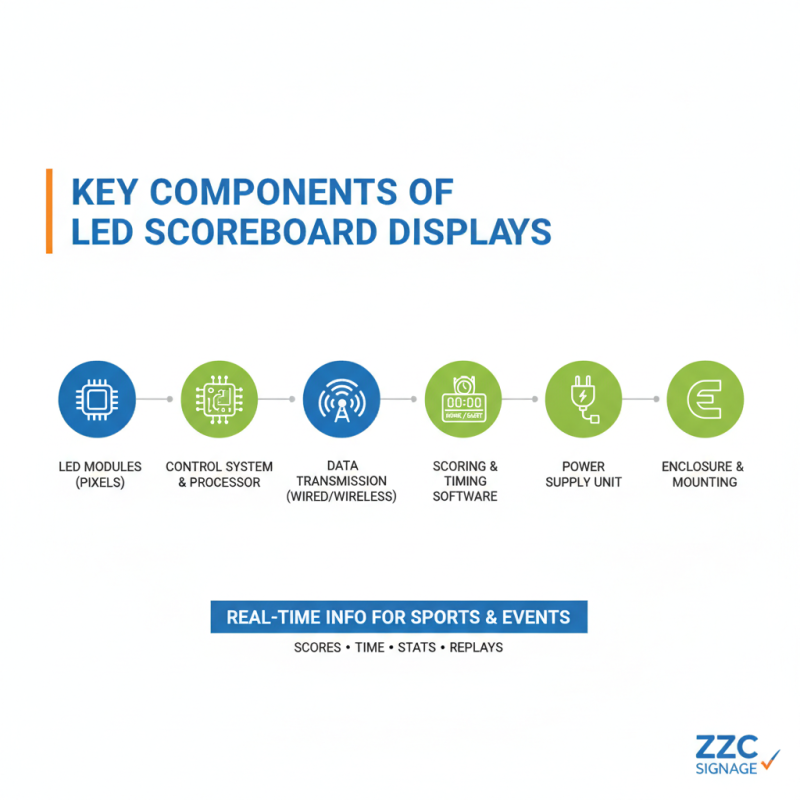
Led Scoreboard Displays are essential in various sports and events. These displays show scores, time, and statistics in real-time. Understanding their key components helps in selecting the right system.
A typical LED Scoreboard Display includes several crucial elements. The LED modules make the images bright and clear. The control system allows operators to update information quickly. A weatherproof casing ensures durability in outdoor environments. According to a report by the National Association of Sports Officials, nearly 70% of sports facilities have upgraded their scoreboards to LED for better visibility and energy efficiency.
Tips: Always assess the location where the scoreboard will be installed. This affects brightness needs and viewing angles. Choosing the right control system also matters. A user-friendly interface improves efficiency during events. Remember that while LED technology is advanced, keeping backup systems is wise. This can minimize disruptions during critical moments, ensuring reliability remains a top priority.
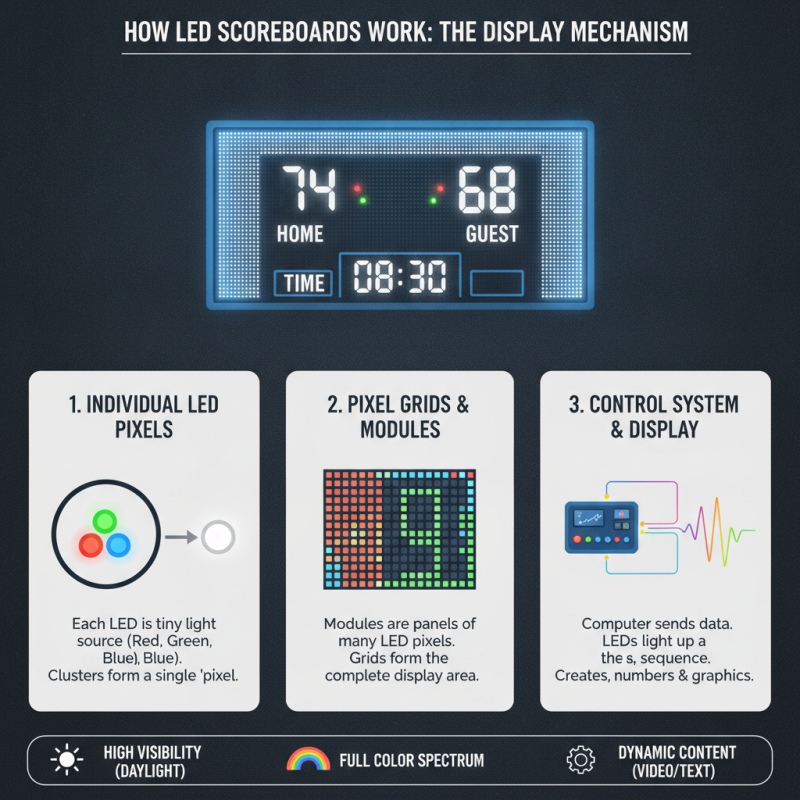
LED scoreboards have transformed how we display scores and information in sports and events. These scoreboards utilize Light Emitting Diodes (LEDs) for their vibrant displays. Each LED acts as a tiny light source, creating clear digits and graphics. The technology allows for high visibility, even in bright daylight. Unlike traditional scoreboards, LED displays can produce a wide range of colors, enhancing the viewing experience.
The display mechanism involves several components. A microcontroller manages the scoreboard's operations. It receives data from game officials. This data is processed and transformed into visual outputs. The brightness of the LEDs adjusts automatically depending on ambient light. Still, the quality of the display can vary based on the manufacturing process. Some scoreboards may not maintain uniform brightness across the display, leading to readability issues.
Additionally, maintenance can be tricky. Over time, certain LEDs may fail while others continue to operate. This can create distracting spots on the display. Ensuring the durability of these components is vital for reliability. Regular checks are essential to ensure optimal performance. While these innovations in scorekeeping are impressive, room for improvement remains in both technology and durability aspects.
LED scoreboards have become popular alternatives to traditional scorekeeping methods. Their bright, vibrant displays ensure high visibility during games and events. This technology offers several advantages over conventional models, making them a preferred choice in various settings.
One notable benefit of LED scoreboards is their versatility. They can showcase multiple types of information, from scores to timers, and even advertisements. This adaptability enhances the spectator experience, providing more engaging content. Traditional scoreboards often lack such flexibility, leaving audiences with limited information.
Tips: When considering an upgrade to an Led Display Sign Board, evaluate your specific needs. Think about the type of events you host and how much information you want to display. This will help you choose a model that fits your venue perfectly.
Another advantage of LED scoreboards is energy efficiency. They consume less power compared to older models, decreasing operating costs. However, the initial investment can be significant. Reflect on your budget and long-term savings before making a decision. It's essential to weigh the pros and cons of both options.
Tips: Always ask for expert opinions when selecting an LED display sign board. Research installation and maintenance requirements first. This knowledge can save you headaches down the line.
LED scoreboards have become essential in sports venues. According to a recent industry report, more than 75% of stadiums use these displays for their visibility and adaptability. They provide real-time game stats, player scores, and entertaining graphics. This elevates the fan experience and enhances game-day excitement.
A survey indicated that 65% of sports venues plan to upgrade their current displays within the next five years. Pylon Displays are often utilized not only for scores but also for advertising and sponsorship visibility. This versatility is crucial for revenue generation. Yet, while many venues invest in advanced technology, maintaining these displays can be costly and complex.
In some cases, the integration of LED scoreboards has faced challenges. Issues with synchronization and maintenance have been reported. Some venues struggle with outdated systems that cannot efficiently support new technology. A balance between investment in state-of-the-art displays and ongoing support is necessary for optimal performance.
LED scoreboard technology is evolving rapidly, showcasing impressive advancements in design and functionality. Recent industry reports indicate that the global LED scoreboard market is projected to grow at a compound annual growth rate (CAGR) of 12.5% over the next five years. This growth reflects the increasing demand for innovations in display technology, particularly in sports arenas and entertainment venues. Enhanced resolution, energy efficiency, and durability are driving the trends.
High-definition displays are becoming the norm, allowing for better viewing experiences. Additionally, integrated features, such as real-time statistics, social media feeds, and interactive elements, are now standard in many designs. These enhancements not only engage fans but also improve the overall atmosphere of events. However, manufacturers face challenges in balancing advanced technology with affordability. The competition among suppliers can lead to price fluctuations, affecting investment decisions for small and mid-sized venues.
Moreover, the rise of smart technology is influencing LED scoreboard design. This includes the integration of mobile app connectivity, enabling users to access updates directly on their devices. Data utilization is more critical than ever, leading to deeper insights into audience engagement. While innovation is exciting, the pressure to stay on the cutting edge can overshadow practical considerations. Facilities must ask themselves: how can they invest wisely in future technology, such as a Price Sign Display, without compromising budget constraints? The future of LED scoreboards holds great promise, but the path forward requires careful reflection and strategic planning.
| Feature | Description | Advantages | Future Trends |
|---|---|---|---|
| Display Type | Full-color LED matrix display for scores, stats, and animations. | High visibility, dynamic content, and bright colors. | Integration with IoT devices for real-time updates. |
| Control System | Computer-based software linking to hardware for operation. | User-friendly interface and remote accessibility. | Cloud-based control for remote scoring management. |
| Power Efficiency | Uses less energy compared to traditional scoreboards. | Lower operating costs and reduced environmental impact. | Advancements in LED technology for energy savings. |
| Content Flexibility | Supports various media formats including video and graphics. | Engaging displays for fans, enhancing game experience. | Augmented reality features for interactive viewing. |
| Maintenance | Modular design allows for easy repairs and upgrades. | Reduced downtime and cost-effective maintenance. | Predictive analytics for maintenance scheduling. |
: An LED scoreboard display shows scores using light-emitting diodes. It’s bright and clear, suitable for various events.
They use a microcontroller to manage operations. Data from officials gets transformed into visual outputs for viewers.
They provide energy efficiency and high visibility. Their flexibility allows programming for different sports and events.
Errors like pixel failure or software glitches may arise. These can lead to misinformation during games.
Regular checks are needed to ensure brightness. Maintenance prevents distracting spots on the display from failing LEDs.
High-definition displays, integrated features, and smart technology are key trends. However, balancing cost and advanced tech remains a challenge.
The brightness adjusts automatically based on surroundings. However, variations can affect readability in some scoreboards.
Trained operators can manage technology and ensure accuracy. This enhances audience engagement and reduces misinformation risks.
Data is crucial for audience engagement insights. It informs design choices and improves the viewing experience.
Companies must balance innovating with affordability. Price fluctuations can affect smaller venues' investments and decisions.
The LED Scoreboard Display has revolutionized the way sports events convey real-time information to fans and players alike. Initially evolving from traditional scoreboard technology, modern LED displays integrate vibrant visuals and dynamic capabilities, enhancing the spectator experience. Key components of these scoreboards include high-brightness LED modules, control systems, and display mechanisms that ensure clear visibility and quick updates during games.
The advantages of LED Scoreboard Displays over traditional models are substantial, ranging from lower power consumption to greater visibility in various lighting conditions. Moreover, statistics reveal a significant adoption of LED scoreboards across sports venues, reflecting a trend towards more interactive and engaging fan experiences. Looking ahead, advancements in LED technology and design are expected to further transform stadium displays, paving the way for more innovative features and enhanced interactivity.