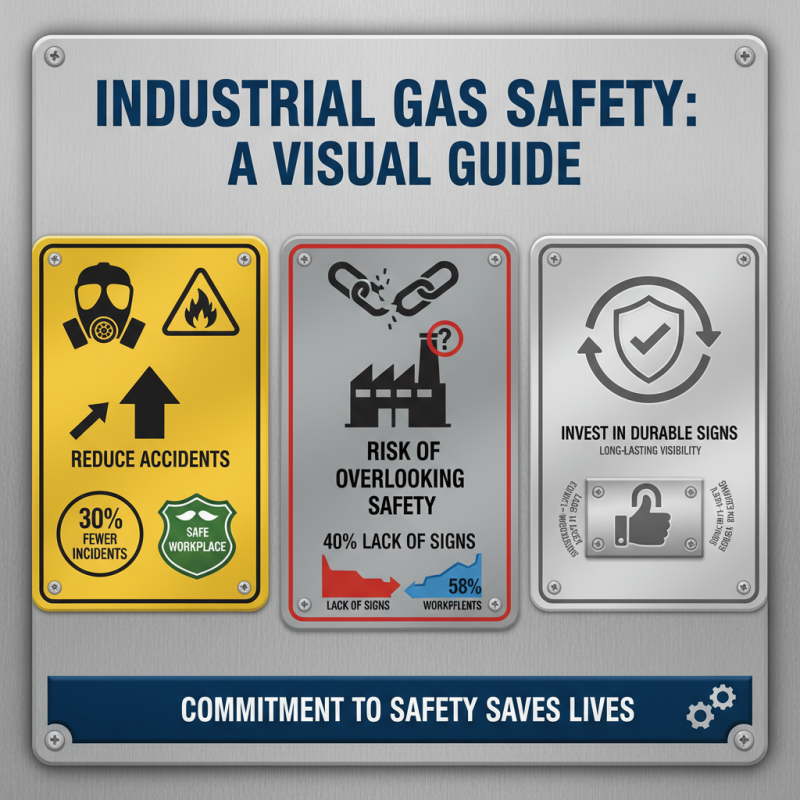
Hey, you know, in industrial environments, safety really has to come first. And one of the key things you can't overlook is the Metal Gas Warning Sign. Think of these signs as your visual alerts—they basically shout out, "Hey, watch out! There's a gas leak or some flammable stuff nearby." Interestingly, the National Fire Protection Association (NFPA) mentions that about 58% of workplace accidents happen because safety signs weren’t properly in place or visible enough.
Having a good Metal Gas Warning Sign where everyone can see it really can make a difference. For example, OSHA data shows that workplaces with the right signage tend to see around 30% fewer accidents. That just goes to show, investing in sturdy, top-quality metal signs is worth it—they’re built to handle tough conditions and stay visible over the long haul.
That said, surprisingly, a lot of workplaces still skip on proper signage. A recent survey by the American Society of Safety Engineers (ASSE) found that nearly 40% of workplaces don’t even have clear gas warning signs up. That’s concerning when it comes to safety compliance. Putting up a reliable Metal Gas Warning Sign isn’t just about ticking a box; it’s a real sign of caring about your team’s safety. If everyone notices these signs, it really can make a difference and even save lives.
What is a Metal Gas Warning Sign?
A metal gas warning sign serves as a crucial visual cue in various environments, particularly in industrial and commercial settings. These signs are designed to alert personnel and the public about potential hazards related to gas containment or usage. According to a report by the National Fire Protection Association, improper handling or disregard of gas safety measures contributes to thousands of accidents each year. Metal gas signs help prevent such incidents by providing clear, concise warnings.
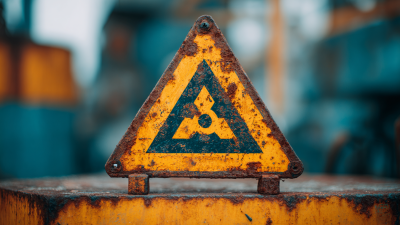
These signs come in various forms, ranging from bright yellow or red backgrounds to simple, universally recognized symbols. Their durability is essential. Metal construction ensures that the signs withstand various weather conditions. For example, a Vintage Metal Gas Sign may catch the eye, but it must also convey vital safety information effectively. A weathered sign could be easily overlooked.
In some cases, organizations fail to update their safety signage, leading to confusion. Workers may misinterpret older signs lacking modern symbols or colors. While vintage metal gas signs may have nostalgic appeal, they may not meet current safety standards. Regular audits of safety signage are necessary to maintain a safe work environment and reduce risks associated with gas exposure.
The Composition and Materials Used in Metal Gas Warning Signs
Metal gas warning signs play a critical role in safety and hazard communication. They are composed of various materials, primarily aluminum and steel. Aluminum is lightweight and resistant to corrosion, making it ideal for outdoor use. Steel, on the other hand, is sturdier and provides a longer lifespan against wear and tear.
Recent industry reports highlight that using high-quality materials can reduce maintenance costs by up to 40%. Many signs also employ reflective coatings, enhancing visibility at night or in low-light conditions. These features are crucial for ensuring that these signs are noticed and understood swiftly.
The design of a 3d Metal Gas Sign often includes bold colors and high-contrast elements. This improves recognition, especially under poor weather conditions. However, not all signs are created equal. Some may fade or lack durability, requiring replacements more frequently than expected. Proper material selection can make a significant difference in a sign's effectiveness.
Ensuring standards are met is essential; even minor lapses can pose risks.
Key Features and Visual Elements of Gas Warning Signs
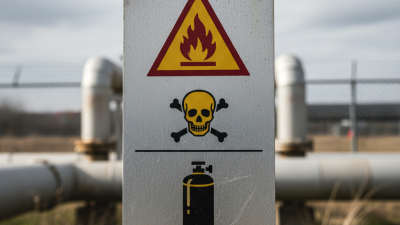
Metal gas warning signs serve a crucial function in ensuring safety within various environments. These signs are often made of durable materials to withstand harsh conditions. Bright colors like yellow and red are commonly used to attract attention. A key feature of these signs is the use of universal symbols. For instance, a gas cylinder icon is instantly recognizable and communicates danger quickly. According to a report by the National Safety Council, effective signage can reduce accidents by up to 30%.
Visibility is another essential aspect of gas warning signs. They must be easy to read from a distance. This means using legible fonts and adequate sizing. Industry standards recommend that signs be displayed at a height of 5 to 7 feet for optimal visibility. Still, many people overlook the importance of maintaining these signs. Faded or damaged signs can lead to dangerous situations. A study indicates that 40% of workplaces reported incidents due to insufficient signage.
Moreover, the placement of metal gas warning signs is critical. Placing them near hazardous areas is vital. However, there's often a tendency to overlook locations where risks are less obvious. Regular assessments are necessary to ensure signage is effective. An analysis by the Occupational Safety and Health Administration found that routine checks on signage can significantly enhance workplace safety.
The Importance of Metal Gas Warning Signs in Safety Protocols
Metal gas warning signs play a crucial role in safety protocols across various industries. These signs alert workers and the public to potential hazards associated with gas leaks. According to a report from the National Fire Protection Association, around 10% of workplace incidents involve gas leaks, which underscores the need for effective warning systems. Metal signs are durable and can withstand harsh environments, ensuring they remain visible during emergencies.
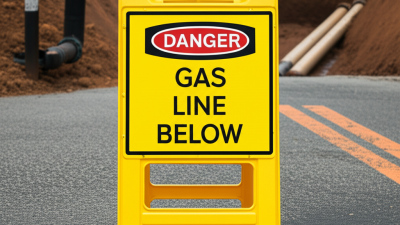
The placement of these signs is equally important. They should be located near gas lines, storage areas, and equipment using flammable gases. This strategic positioning helps prevent accidents. The Occupational Safety and Health Administration (OSHA) emphasizes that proper signage can reduce accidents by up to 50%. Yet, many businesses neglect this critical aspect of safety. Regular inspections and updates to these signs can help maintain visibility and effectiveness, but these practices are often overlooked.
An effective warning sign should not just state "Gas Leak" but should also use symbols and colors that immediately grab attention. A study by the American Industrial Hygiene Association found that visual cues significantly enhance recognition. Clear communication helps prevent misunderstandings in emergencies. However, despite this knowledge, some facilities still use outdated or unclear signs, which can lead to confusion during a crisis. This gap in safety culture should prompt a reevaluation of existing protocols.
Regulatory Standards Governing Metal Gas Warning Signs
Metal gas warning signs play a crucial role in safety and regulatory compliance in various industries. According to the Occupational Safety and Health Administration (OSHA), proper signage can reduce accidents by 40%. These signs inform personnel about the presence of hazardous gases, ensuring that everyone is aware of the potential risks in the work environment.
Regulatory standards govern the design, placement, and maintenance of these signs. For instance, ANSI Z535 outlines specific color codes and symbols that enhance visibility and comprehension. A sign that clearly indicates the type of gas and associated hazards can prevent dangerous situations. However, many facilities overlook updating these signs when regulations change or when new gases are introduced.
Data from the National Safety Council highlights that many incidents arise from inadequate signage. In fact, 27% of workers report that they do not receive proper training on reading safety signs effectively. This gap in knowledge underscores the need for continuous education and reinforcement of safety protocols. Ensuring the clarity and accuracy of metal gas warning signs is not just a regulatory requirement; it is essential for protecting lives.
Best Practices for Installing Metal Gas Warning Signs
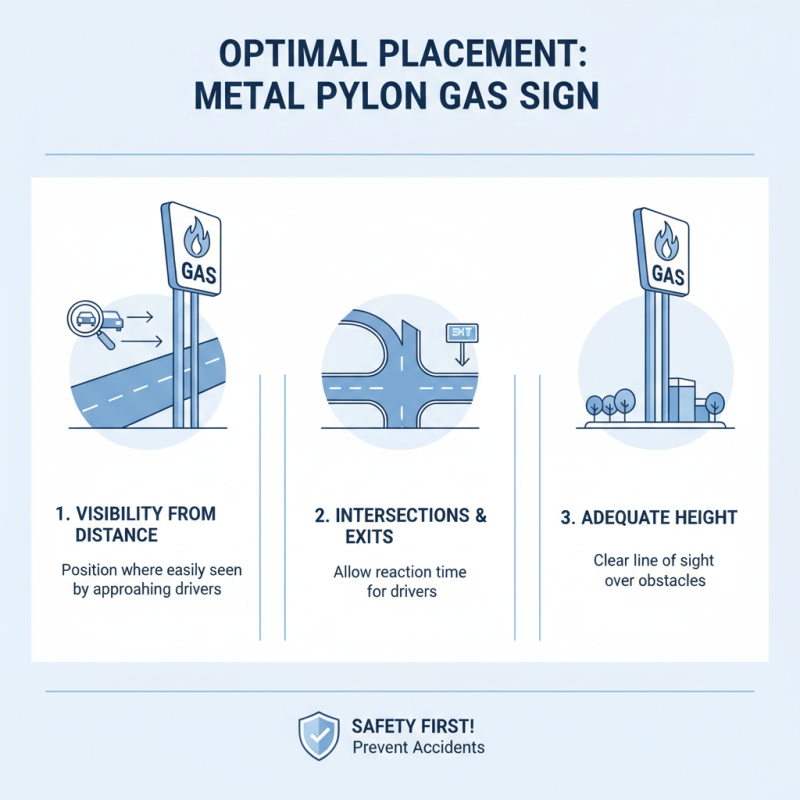
When installing a Metal Pylon Gas Sign, placement is crucial. Signs should be clearly visible from a distance. Consider placing them at intersections or exits. This provides enough time for drivers to react. The height of the sign should be adequate to ensure visibility over surrounding obstacles. A properly positioned sign can prevent accidents.
Material choice is another important aspect. Metal signs are durable and withstand weather conditions. They don't fade easily, ensuring long-term visibility. However, regular inspections are essential. Signs may require cleaning or repainting. Corrosion can also be an issue over time. Stay vigilant about maintenance.
Additionally, local regulations may dictate specific requirements for gas signs. Compliance avoids potential legal issues. Consider community feedback on sign aesthetics too. Not everyone appreciates bright colors or designs. Engaging the community could lead to better acceptance. Ultimately, effective communication through signs can save lives. A simple yet effective Metal Pylon Gas Sign can make all the difference.
Common Applications and Locations for Metal Gas Warning Signs
Metal gas warning signs are vital for safety in various environments. Common applications include industrial sites, commercial buildings, and residential areas. These signs help to communicate the presence of hazardous gas. A study by the National Fire Protection Association indicates that clear signage reduces accidents by up to 30%. Proper placement of these signs can save lives.
Metal gas warning signs are often found near gas storage areas, processing facilities, and gas pipelines. A Large Metal Gas Sign should be installed at key locations to ensure visibility. Clarity and legibility are crucial, especially in high-traffic areas. Research shows that poorly positioned signs can lead to confusion. A report from the Occupational Safety and Health Administration highlights that many incidents occur due to unclear warnings.
In industrial settings, compliance with safety regulations is non-negotiable. Gas leaks can result in catastrophic outcomes. Metal gas warning signs provide essential guidance and should not be overlooked. Workers must be trained to recognize these signs. Regular inspections and updates to signage are equally important. If a sign is worn or unclear, it defeats its purpose. A proactive approach can make a significant difference in safety outcomes.
FAQS
: Gas warning signs promote safety by alerting individuals to hazardous conditions.
They are often made from durable materials to withstand harsh environments.
Bright colors like yellow and red attract attention and signal danger quickly.
They should be displayed at a height of 5 to 7 feet for optimal visibility.
Faded signs can lead to dangerous situations and increase accident risks.
They are found near gas storage areas, processing facilities, and gas pipelines.
Regular checks ensure that signs remain clear and effectively communicate hazards.
Poorly positioned signs can cause confusion, increasing the likelihood of incidents.
Workers must be trained to recognize these signs to ensure safety on-site.
Regular inspections and timely updates to signage can significantly improve safety outcomes.
Conclusion
A Metal Gas Warning Sign is a crucial safety tool used to alert individuals to the presence of hazardous gases, ensuring awareness and prompt action in potentially dangerous situations. Typically made from durable materials, these signs feature essential visual elements and symbols designed to communicate risks effectively. The importance of Metal Gas Warning Signs cannot be overstated, as they form a key part of safety protocols across various industries, helping to prevent accidents and promote safe practices in environments where gases are present.
Moreover, regulatory standards guide the design, placement, and installation of Metal Gas Warning Signs to ensure they meet safety requirements. Best practices involve strategic installation in common locations such as industrial sites, laboratories, and residential areas where gas exposure risks exist. Ultimately, Metal Gas Warning Signs play an essential role in safeguarding lives and property by providing clear warnings and facilitating a proactive approach to safety.