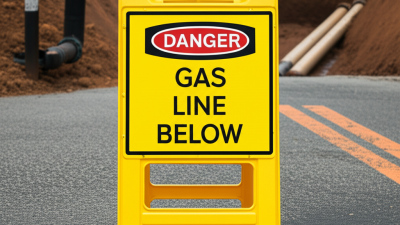
In today’s world, where safety really matters more than ever, you can’t underestimate how important Pylon Warning Gas Signs are—especially in places that are pretty risky. These signs are super key for giving people a heads-up about gas leaks or hazards, making sure everyone stays safe whether it’s in factories, construction sites, or even public areas. ZZC Decoration Material Co., Ltd., started back in 2011 as part of DingRong Group, and they’ve got over ten years of experience in creating all kinds of sign solutions tailored for clients all over the world. They’re a full-on sign manufacturer committed to crafting high-quality Pylon Warning Gas Signs that do more than just warn; they also help meet safety rules and standards. By really focusing on clear hazard communication, ZZC shows they’re serious about making workplaces and public spaces safer for everyone.
The Role of Pylon Warning Gas Signs in Industrial Safety Protocols
You know, pylon warning gas signs really play a huge part in keeping things safe, especially in industries that handle high-voltage gear or dangerous materials.
I read a report from the Health and Safety Executive (HSE) recently — it’s pretty eye-opening. Turns out, when safety measures aren’t up to scratch, the consequences can be pretty serious.
For example, there was this incident where a maintenance worker got badly burned because the warning signs weren’t clear enough during a high-voltage job.
That investigation led to a hefty fine of £3.2 million! It just goes to show how essential good safety signage and clear risk communication are when you're dealing with such risky environments.
Having strong signaling protocols, like proper warning gas signs, isn’t just about ticking boxes.
These visual cues actually help workers stay alert and remind everyone to follow safety rules.
According to the HSE, clear warnings can cut down accidents by up to 70%.
So, it’s really worth employers making an effort—investing in the right safety gear and signs isn’t just about following the law; it’s about genuinely protecting people and avoiding unnecessary risks.
Plus, it helps create a safety-first culture at work, which benefits everyone involved.
Key Features and Design Elements of Effective Warning Gas Signs
Clear warning gas signs are super important when it comes to keeping folks safe, especially in busy industrial or construction areas where you might be dealing with dangerous gases. When designing these signs, it’s key to make sure they’re easy to spot, with simple, straightforward messages and universally recognized symbols. Bright colors like yellow or red do a great job of catching the eye and signaling caution. Plus, using clear icons helps people get the message right away—so if something goes wrong, they can react fast.
Here at ZZC Decoration Material Co., Ltd., we really get how vital it is to make signs that not only look good but also last. We’ve got over 12 years of experience crafting tough, reliable signs that can stand up to the toughest environments. Our team pays close attention to details like font size and color contrast, making sure the messages are easy to understand—even from far away. We’re dedicated to providing safety signs that are effective, durable, and tailored to meet the unique needs of clients all around the world.
How to Properly Install and Maintain Pylon Warning Gas Signs
Making sure you install pylon warning gas signs properly is super important for keeping everyone safe and aware. First off, you wanna pick the right spot for the sign—something that’s easy to see from a distance and meets any local rules or regulations. It’s best to mount the sign high enough so it’s visible but not blocked by trees, buildings, or anything else. Use durable materials and solid mounting methods so it can handle different weather conditions without falling down or getting damaged over time.
Taking care of these signs is just as crucial as putting them up. Regularly check them to see if they’ve faded, gotten chipped, or taken a hit. Things like peeling paint or rust should be dealt with quickly. Also, giving the signs a quick clean now and then helps keep them easy to read. If a sign is so worn out that you can’t tell what it says, or it’s been physically damaged, it’s best to replace it ASAP. Clear, legible signs are key to making sure everyone stays safe around gas hazards.
Training Staff on the Importance of Gas Sign Awareness
Training staff to recognize gas warning signs isn't just a box to check — it's actually crucial for keeping everyone safe, especially in industries where hazardous gases might be lurking around. According to OSHA, when you provide proper training, it can really make a difference and cut down the chances of accidents and injuries. And a report from NIOSH shows that good signage combined with proper training can even slash gas-related incidents by about half. It’s super important for workers to know not just what those signs look like, but also what kinds of dangers different gases can pose.
Having regular safety sessions focused on gas warning signs helps build a real safety-first vibe in the workplace. When folks understand what those signs mean, they’re more likely to take quick and proper action — like evacuating immediately or putting on protective gear. Plus, the NFPA points out that ongoing training and safety drills can boost workers’ reaction times in emergencies by up to 70%. So, by making gas sign awareness a key part of training, companies can really empower their teams to stay confident and act swiftly when things get dangerous.
Common Misconceptions about Pylon Warning Gas Signs and Their Impact on Safety
Pylon warning gas signs might seem pretty straightforward, but honestly, they’re super important for keeping everyone safe. Yet, surprisingly, lots of folks have the wrong idea about what they really do. Some people think these signs are just for show or decoration — like, they don’t actually do much. But that’s not true at all. These signs are there to alert you about potential gas dangers and help you act quickly before things get out of hand. If we misunderstand their purpose, we might get complacent, and that could lead to serious, even dangerous, situations.
A couple of safety tips:
- Always pay attention to those warning signs. Seriously, don’t ignore them! They’re there to protect you from harmful gases.
- It’s a good idea to learn what different signs mean—not just for yourself but also so you can help others understand. Building a safety-aware community starts with small steps.
A lot of people also buy into the myth that gas dangers are exaggerated or no big deal. But research shows that breathing in toxic gases can cause real health problems, like breathing issues and other serious conditions. By
busting these myths and taking the importance of pylon warning signs seriously, we’re all helping to make safety a shared priority. Staying informed and proactive about gas risks isn’t just on you — it’s a community effort. Let’s look out for each other and
stay safe together.
Best Practices for Responding to Pylon Warning Gas Sign Alerts
When dealing with Pylon Warning Gas Sign alerts, acting quickly and sensibly is really important to keep everyone safe. First off, it’s a good idea to get familiar with what those signs look like around you—different colors and symbols mean different levels of danger, after all. And hey, staying calm when you see a warning sign flashing is key; take a moment to figure out what’s going on before rushing into action. If it’s pointing to a gas leak or something dangerous, the best move is to get out of there ASAP—no trying to fix or fixate on the problem yourself, especially if there's a risk of sparks or ignition nearby. Once you’re at a safe distance, make sure to call the authorities—like fire services or the gas company—so they can handle things properly. It’s also smart to know your escape routes and where the safe zones are, just in case. Doing regular drills and safety training can really make a difference, helping everyone know what to do if a gas emergency pops up. Basically, staying alert and taking safety seriously with these signs can help minimize risks and keep lives protected when stuff hits the fan.
Understanding the Importance of Pylon Warning Gas Signs for Safety Awareness
| Sign Type |
Gas Indicated |
Response Protocol |
Importance Level |
| Pylon Sign A |
Methane |
Evacuate Area, Alert Authorities |
High |
| Pylon Sign B |
Propane |
Ventilate Area, Seek Shelter |
Medium |
| Pylon Sign C |
Hydrogen Sulfide |
Immediate Evacuation and Medical Attention |
Critical |
| Pylon Sign D |
Ammonia |
Wear Respirator, Evacuate |
High |
| Pylon Sign E |
Chlorine |
Use Gas Mask, Stay Indoors |
Critical |
FAQS
: Proper installation ensures effective safety communication by making the signs visible from a distance, adhering to regulatory requirements, and preventing damage from weather conditions.
The signs should be installed at a height that maximizes visibility while avoiding obstructions like trees or buildings.
Regular inspections should be conducted to check for fading, damage, or wear, and signs should be cleaned periodically. Any signs that are illegible or compromised should be replaced promptly.
Training enhances workplace safety by educating employees on recognizing signs and understanding the dangers of various gases, significantly reducing accidents and injuries.
Ongoing training and drills can enhance employee response times in emergencies by up to 70%, empowering them to act confidently and efficiently.
A common myth is that these signs are merely decorative; in reality, they are essential for informing the public about potential dangers related to hazardous gas levels.
By educating oneself and others about the meanings of different gas warning signs, individuals can encourage vigilance and proactive measures in safety practices.
No, exposure to toxic gases poses serious health risks including respiratory problems, making awareness and proper response to gas warning signs critical for safety.
Conclusion
Pylon Warning Gas Signs are pretty important when it comes to keeping things safe in industrial settings. They give clear, easy-to-see alerts about potential gas dangers—no confusion there. A good warning sign should have key features that make it stand out so folks notice it right away. Of course, making sure these signs are installed correctly and kept in good shape is super important to keep them effective. Plus, training your team on why these signs matter can really help cut down on accidents.
On top of that, clearing up some common misunderstandings about these gas warning signs can make safety measures even better. When everyone understands what these signs mean and knows how to react properly, it just creates a safer work environment overall. Here at ZZC Decoration Material Co., Ltd., we’ve got over 12 years of experience designing top-notch sign solutions that address these safety needs—not just for us but for clients all around the world.