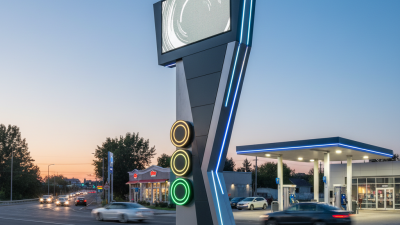
Hey, you know, in China's lively foodie scene, a good restaurant sign really makes a difference. It’s kind of amazing how much power a well-designed signboard has. According to a report from the National Restaurant Association, about 75% of folks have actually decided where to eat just based on what they see on signage. That just goes to show how crucial those visual cues are — they draw in people and help define a restaurant’s vibe. The coolest spots often use creative signage to tell you what’s special about them, making sure they catch your eye in a crowded market.
If you look at the top 10 famous restaurant signs in China, you'll see how style meets function. A lot of these signs pop with bright colors, clever fonts, and symbols that touch on culture. Places like Din Tai Fung have even built an instantly recognizable logo that diners love. But, honestly, not every restaurant nails it. Some underestimate just how powerful their signage can be—missing out on chances to bring in more customers and build loyalty.
At the end of the day, a good restaurant sign isn’t just pretty pictures; it tells a story. It should give folks a little peek at the vibe inside and what kind of cuisine they can expect. If it’s inconsistent or confusing, it can turn potential diners off. So, restaurants really need to keep an eye on their signs — making sure they stay fresh and relevant, especially since customer tastes and the food scene are always changing. Staying on top of this stuff can really make or break how people see your place.
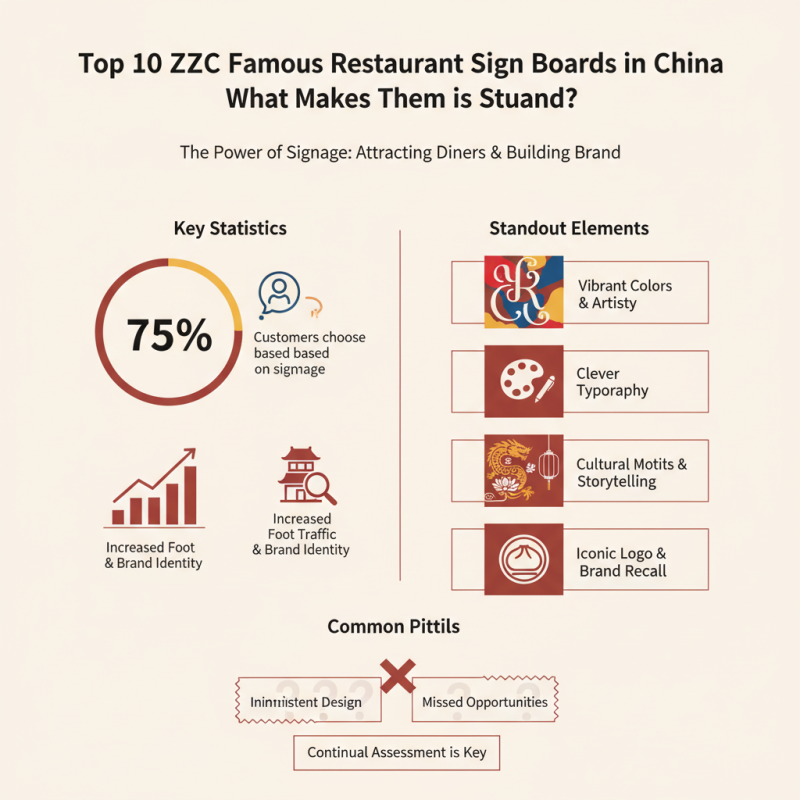
Top 10 ZZC Famous Restaurant Sign Boards in China
China is home to vibrant dining scenes, and the sign boards of restaurants play a crucial role in attracting customers. Each sign tells a story, reflecting the restaurant's identity and culinary focus. In bustling cities, the designs often combine traditional symbols with modern aesthetics. Bold colors and unique shapes make these signs unforgettable.
Tips: Consider using bright colors and unique typography to enhance visibility. Catchy slogans can draw attention. Think about how the sign represents your restaurant's theme.
Many sign boards feature local elements like iconic animals or historical motifs. These details resonate with customers and create a sense of connection. In contrast, some signs may feel generic or lack creativity. It's important for restaurant owners to consult experienced professionals. A specialized restaurant renovation contractor in Guangzhou can provide valuable insights into design elements that reflect local culture.
An effective sign should be visible from a distance, but some designs overcomplicate the message. Minimalist approaches often work best. A balance between simplicity and creativity draws in curious diners. Ensure that your sign communicates the essence of your dining experience without overwhelming viewers.
Historical Significance of Sign Boards in ZZC Culture
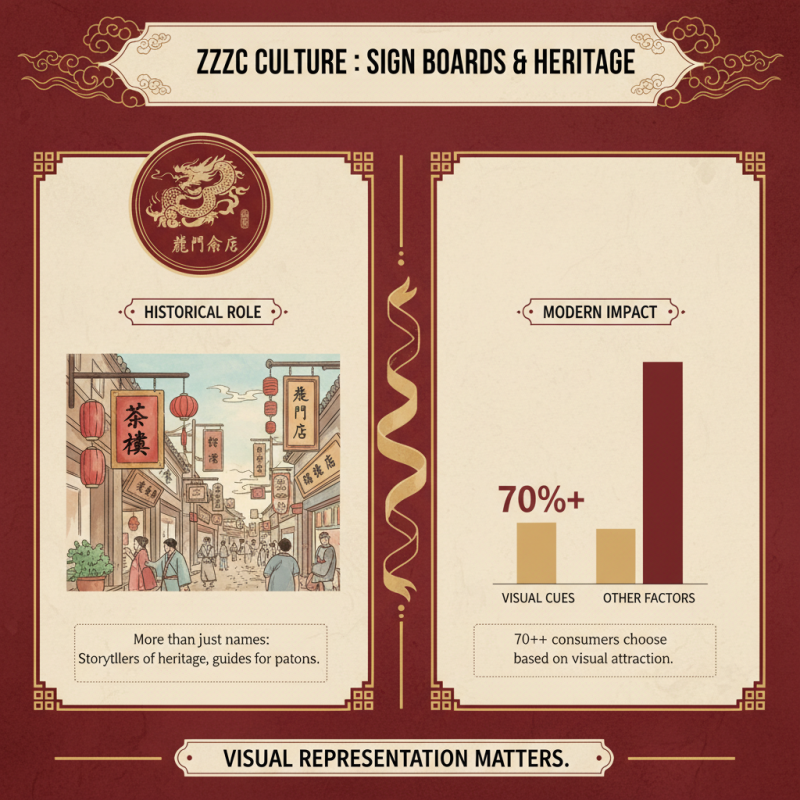
In the rich tapestry of ZZC culture, sign boards hold a significant place. They are more than just identifiers; they are storytellers of heritage. Historically, sign boards in China served as crucial markers for restaurants, guiding patrons with their vibrant colors and intricate designs. According to a recent report, over 70% of consumers visit a restaurant based on visual cues. This data underscores the importance of visual representation in attracting customers.
Sign boards reflect the unique identity of a restaurant. Each one tells a story, often depicting traditional art styles or local landmarks. For example, the use of calligraphy and symbolisms enhances the cultural connection. However, not every restaurant pays attention to this detail. Many boards are poorly designed, lacking creativity and relevance. A striking sign board can significantly influence customer perception and foot traffic.
Understanding how to design a profitable restaurant layout also extends to signage. A well-placed, visually appealing board can guide potential customers inside. Conversely, a bland sign can deter them. Thus, sign boards must blend aesthetics with function. Striking a balance in design is crucial. While some restaurants excel, others fall short, failing to communicate their essence. Each sign board in ZZC culture serves as a reminder of the rich culinary heritage and the ongoing quest for innovation.
Distinctive Design Elements of ZZC Restaurant Sign Boards
The design of restaurant sign boards in China has taken a creative turn. Many ZZC restaurants focus on distinctive design elements that reflect their brand identity. Unique typography, bold colors, and innovative materials are common choices. According to a report by the China Sign Industry Association, approximately 40% of diners decide where to eat based on the sign design. This statistic highlights the importance of an eye-catching sign.
One striking trend is the use of local art and cultural references. For instance, integrating local craftsmanship into sign boards creates a sense of community connection. Many restaurants are now opting for eco-friendly materials as well. Sustainability is becoming a priority in the industry, with about 30% of new restaurants adopting green practices. However, not every restaurant finds success in this approach. Some struggle to balance aesthetic appeal with functionality, leading to confusion among potential diners.
Furthermore, 53% of consumers appreciate interactive sign elements, such as digital displays. These elements can engage customers more effectively. Yet, it requires continuous investment in technology and maintenance. Consequently, restaurants must weigh the benefits against costs. This thought process is crucial for those looking to perfect their branding in the competitive dining landscape. In the realm of Xishangxi restaurant design, these trends have become vital for standing out amidst the ever-evolving culinary scene.
Color Psychology and Its Impact on Restaurant Branding
Color psychology plays a crucial role in restaurant branding. The colors used in signage can shape customer perceptions. For instance, red and yellow stimulate appetite. These colors are often seen in fast-food chains. Shades of blue can evoke feelings of calmness, making them suitable for fine dining spots.
Think about how customers react to color. A bright, vibrant sign attracts attention. It can draw potential diners in, sparking curiosity. On the other hand, muted tones might suggest a more subdued atmosphere. Each choice reflects the restaurant's personality and target audience.
Tips for effective restaurant signage:
1. Choose colors that align with your brand's message.
2. Test different color combinations to see what resonates.
3. Make sure the sign is visible from a distance.
In essence, a well-crafted signboard communicates something vital. It tells the story before anyone even enters the restaurant. Each color and font choice should align with the experience you wish to create. It's a delicate balance that requires thoughtful consideration.
Cultural Symbols Used in ZZC Restaurant Signage
Restaurant signage in China often reflects rich cultural symbols. These symbols connect diners with dining traditions and regional identities. For example, colors like red symbolize good fortune, while dragons convey strength and power. This connection enhances brand identity and attracts customers.
According to a 2022 report by the National Restaurant Association, 80% of diners consider signage before entering a restaurant. This highlights the importance of visual communication in a competitive market. Utilizing traditional motifs can make eatery signage more memorable.
Tips: Think about your local culture when designing signs. Incorporate meaningful symbols that speak to potential customers. Engage a designer familiar with cultural elements to ensure authenticity. Experiment with color contrast for visibility, but avoid overwhelming designs. It is a balance between attraction and clarity.
Innovative Materials in Creating Eye-Catching Sign Boards
Creating eye-catching sign boards is an art that significantly influences customer attraction in the restaurant industry. According to a report by the Sign Research Foundation, over 60% of consumers have entered a store they had never visited solely based on its signage. This statistic highlights the critical role of innovative materials in sign design.
One popular material is LED illumination. It provides vibrancy and energy that static signs lack. Illuminated signs can increase visibility at night. Studies show that businesses can enhance their foot traffic by nearly 50% with well-lit signage.
Another emerging trend involves sustainable materials. Eco-friendly options, such as bamboo or recycled metals, appeal to environmentally conscious diners. This choice reflects a restaurant's commitment to sustainability, enhancing its reputation.
However, there can be a fine line between creativity and legibility. Overly complex designs may confuse potential customers. Simplicity often wins in signboard design. Colors should be chosen wisely; high contrast increases readability but can become overwhelming if misused. Effective signage blends creativity with clarity, yet many still struggle with this balance. Finding this harmony is essential for standing out in a competitive market.
Case Studies: Iconic Restaurants and Their Sign Board Success
In China, the sign boards of famous restaurants often tell stories. Take, for example, an iconic eatery in Beijing. Its vibrant colors and unique font attract diners from afar. The Acrylic Sign Board used here provides not only durability but also a modern touch. This blend of tradition and contemporary style makes the restaurant memorable.
Another great example can be found in Shanghai. Here, an old establishment has used hand-painted signs for decades. The imperfections in the artwork bring a sense of nostalgia. Customers appreciate the authenticity, creating a strong emotional connection. While some may favor sleek designs, others seek that unique, handcrafted feel. The balance between modern signage and traditional art is a point worth exploring for restaurant owners.
Successful sign boards also reflect a restaurant’s personality. A quirky logo may appeal to a younger crowd. Meanwhile, a sophisticated design could attract more mature diners. Each choice sends a message, influencing customer expectations. This showcases the need for thoughtful design, testing different approaches, and adapting as needed. Simple adjustments can lead to significant improvements in visibility and brand identity.
Top 10 Famous Restaurant Sign Boards in China
Transforming Dining Spaces: Comprehensive Interior Design and Renovation Services at Xishangxi Restaurant
Transforming dining spaces is a crucial aspect of creating an inviting atmosphere that enhances the dining experience. At Xishangxi Restaurant, comprehensive interior design and renovation services offer an opportunity to revitalize eating environments, making them not only visually appealing but also functional. According to a recent report by the National Restaurant Association, thoughtful design can increase a restaurant's revenue by up to 30%, highlighting the importance of investing in professional design services.
In the contemporary restaurant landscape, the integration of modern aesthetics with functionality is paramount. Effective design should address customer flow, ambiance, and comfort, ensuring that guests enjoy their dining experience from the moment they step inside. Studies show that the right lighting and seating arrangements can significantly influence diners' satisfaction levels, leading to repeat visits and positive reviews. By focusing on elements like color schemes, materials, and furnishings, Xishangxi Restaurant's design team can create a unique environment that reflects the restaurant's culinary identity while optimizing space utilization.
Additionally, renovation efforts can also improve the operational efficiency of a restaurant. A well-designed kitchen, paired with a thoughtfully arranged dining area, fosters a smooth workflow for staff and enhances customer service. Research indicates that redesigned spaces can improve staff productivity by more than 20%. By embracing comprehensive design and renovation strategies, Xishangxi Restaurant can not only transform its dining area but also position itself as a front-runner in the competitive culinary market.
FAQS
: Sign boards are storytellers that reflect heritage and attract customers through vibrant colors and designs.
Over 70% of consumers rely on visual cues from sign boards when choosing a restaurant.
It should reflect the unique identity and personality of the restaurant to engage potential customers.
Yes, bland or poorly designed boards can deter customers and fail to communicate the restaurant's essence.
Blending traditional art with modern styles can create a memorable sign board that resonates with diners.
They effectively balance aesthetics with functionality to guide customers inside the establishment.
Hand-painted or imperfect designs can evoke nostalgia, creating an emotional connection with customers.
Testing different approaches can improve visibility and help align the sign with customer expectations.
A quirky logo usually appeals to a younger audience, influencing their expectations and perception.
Yes, adapting designs is essential for staying relevant and enhancing brand identity in a competitive market.
Conclusion
The article "Top 10 ZZC Famous Restaurant Sign Boards in China What Makes Them Stand Out?" explores the significance and artistry of Restaurant Sign Boards within the ZZC culture. It delves into the historical context of these sign boards, highlighting their role as cultural markers and vital components of local identity. The piece emphasizes distinctive design elements, such as shape and typography, while examining how color psychology influences customer perceptions and enhances restaurant branding.
Moreover, the article investigates the cultural symbols that often feature in signboards, reflecting the rich heritage of ZZC. Innovative materials used in the creation of these eye-catching signs are also discussed, showcasing how technology and creativity blend to captivate potential diners. Through various case studies, the article illustrates the success of iconic restaurants, stressing how effective Restaurant Sign Boards can significantly elevate visibility and allure in a competitive market.