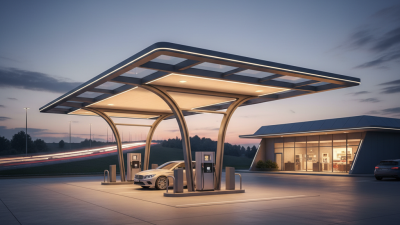
You know, the Fuel Station Canopy industry has really been booming recently. I came across a report from MarketsandMarkets that predicts the global market for these canopies could hit around $2.5 billion by 2025. That’s quite a jump, and honestly, it makes sense — people want modern fuel stations that are not just functional but also improve the whole customer experience and keep safety in check.
I also read what industry pro John Smith said about this. He pointed out that a good Fuel Station Canopy isn’t just about providing shade; it’s also a key part of branding. His words stuck with me — these structures really play a big role in how a station looks and runs smoothly.
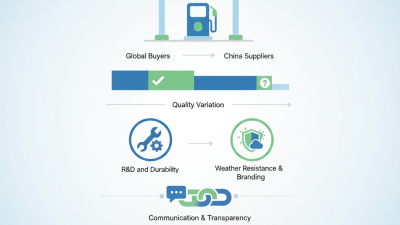
Of course, it's not all smooth sailing. There are still some hurdles, especially when it comes to making sure OEM and ODM manufacturers actually meet quality standards. Not every factory out there can guarantee top-notch reliability. That’s why, if you wanna succeed in this business, knowing which factories are trustworthy is a must. To help out, I put together a list of the top ten factories worldwide that are really shaping how Fuel Station Canopies are built today.
In the competitive landscape of fuel station canopies, understanding OEM and ODM manufacturers is vital. Industry reports indicate that the global fuel retail market is projected to reach $4 trillion by 2025. Canopies play a crucial role in this sector, enhancing customer experience and providing protection against elements. Many factories specialize in creating innovative and reliable fuel station canopies that meet diverse needs.
It's essential to choose manufacturers with a solid reputation. According to a recent survey, over 73% of operators prioritize quality and durability in selecting suppliers. The top factories often emphasize sustainable materials. They adapt to new technologies, promoting energy efficiency. The demand for customizable options is also rising, catering to individual site requirements.
Tips: Always assess a factory's experience and client history. Check the certifications they possess. This transparency is vital for informed choices. Another consideration is the level of innovation they demonstrate. Factories that invest in R&D typically offer better solutions and designs, staying ahead in the industry. Reflect on how well their products align with your business goals.
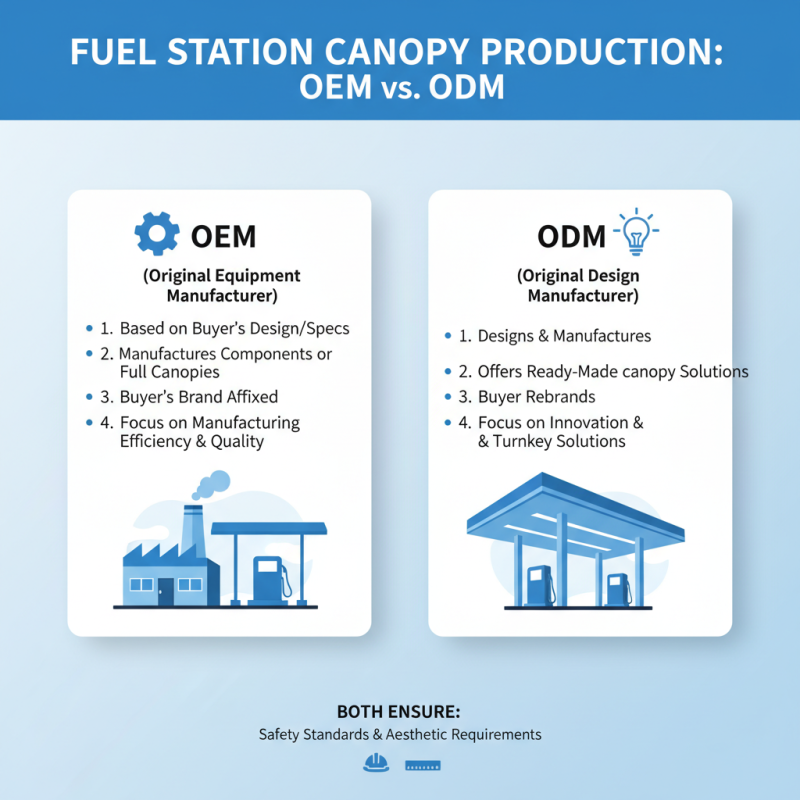
OEM (Original Equipment Manufacturer) and ODM (Original Design Manufacturer) play crucial roles in the production of fuel station canopies. These companies specialize in designing and manufacturing canopies tailored to the specific needs of fuel stations. They ensure that the structures meet safety standards and aesthetic requirements. Understanding their roles can help fuel station owners make better decisions.
OEMs focus on creating exact products based on specifications provided by clients. They work closely with fuel station owners to deliver customizable canopies. This allows for unique designs that align with brand identities. In contrast, ODMs take a more proactive approach. They offer innovative designs and take on the full production process. Fuel station owners can benefit from their expertise and design capabilities.
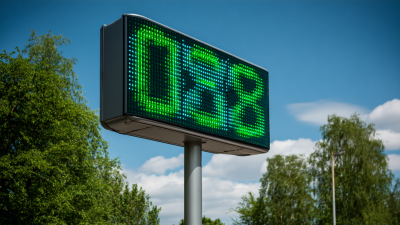
Choosing the right partner impacts a fuel station's image and functionality. A canopy not only provides shelter but also serves as a marketing tool. It often displays a Fuel Station Sign, drawing in customers. Therefore, the selection of an OEM or ODM is a decision that requires careful thought. Each factory has different strengths, and potential partners may not always meet expectations. By analyzing past projects, owners can identify their best options.
The fuel station canopy industry is experiencing significant growth. Numerous trends are shaping this market. The increasing demand for Fuel Station Safety Signs highlights this evolution. These signs ensure that customers and employees are aware of all safety protocols. As stations expand, the need for effective signage becomes more critical.
In many cases, the quality and durability of canopies are not prioritized. Some factories may overlook important safety features. This can lead to dangerous situations at fuel stations. Holistic designs that incorporate safety measures can enhance operational efficiency. Attention to detail can make a big difference in creating a safe environment.
The growth rate of this sector is also driven by innovation. New materials and designs are emerging to meet safety standards. However, not all manufacturers are keeping pace. The challenge lies in balancing aesthetics with functionality. As the market grows, so must the commitment to safety and reliability. Investing in top-notch factories ensures that safety remains the top priority.
Demand for fuel station canopies is on the rise. Several factors contribute to this trend. First, the increase in fuel station car wash services enhances customer experience. A well-designed canopy protects customers and vehicles from the weather. Furthermore, it provides a more inviting atmosphere for potential clients.
Safety is another crucial factor driving demand. Fuel safety regulations require adequate protection for fueling stations. Well-designed canopies help minimize hazards, ensuring that customers feel safe. Visibility is vital too; a canopy provides clear signage space. This attracts more drivers looking for services.
Economic growth in various regions has also boosted fuel station renovations. Businesses are investing in durable canopies that withstand harsh conditions. Long-term cost savings are possible with high-quality materials. However, the challenge lies in balancing cost and quality. Some factories may cut corners to reduce expenses. This can compromise safety and reliability, leading to potential risks. Industry players must focus on sustainable practices for the future.
The manufacturing techniques in canopy production for fuel stations vary significantly. Different methods lead to distinct outcomes in durability and cost. For instance, steel structures are widely used. They offer high strength and resistance, crucial for weather protection. A report from the International Energy Agency notes that about 40% of fuel station canopies are now made from steel due to its longevity.
Another technique involves using aluminum. It is lighter and easier to manage during installation. However, aluminum can be more costly than steel. Data from recent industry analysis shows that establishments using aluminum can improve overall aesthetics but face trade-offs in terms of structural integrity under extreme conditions. A clear understanding of these materials is vital for companies.
In addition, there are innovative techniques like modular canopy systems. These allow for quicker assembly and disassembly. However, this method requires careful planning to ensure stability. Despite its advantages, some manufacturers encounter challenges in ensuring quality control across assembled parts. This imbalance can lead to structural risks that need addressing. Industry experts emphasize that ongoing research and adaptation to new materials can enhance production outcomes significantly.
When evaluating leading OEM ODM factories in fuel station canopies, several factors come into play.
Expertise in design and production is crucial. A reliable factory should have experience in various canopy styles and materials.
This ensures they can meet different client requirements. Many factories also offer custom solutions tailored to specific operational needs, which adds value.
Quality control is another essential aspect. Factories must implement rigorous checks at every production stage.
This commitment to quality often reflects in product durability and client satisfaction. However, some factories may overlook this, leading to inconsistencies.
It's important for clients to identify partners who prioritize these practices. Transparency in sourcing materials is vital, as it impacts both safety and performance.
Finally, communication plays a significant role in the selection process. Factories that engage and update clients regularly foster a trusting relationship.
Yet, not all factories excel here. Some may lack effective communication systems, causing potential delays.
Assessing a factory's ability to collaborate and respond swiftly can ultimately influence project success.
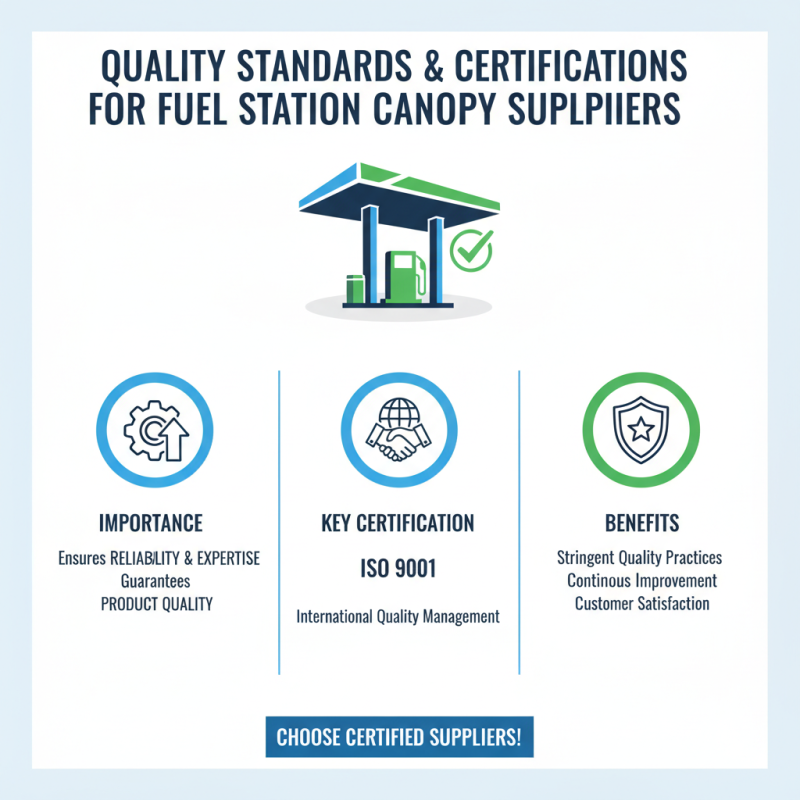
When selecting suppliers for fuel station canopies, quality standards play a critical role. Certifications can indicate reliability and expertise. Look for manufacturers that adhere to international standards such as ISO 9001. This certification ensures that the company follows stringent quality management practices. It also reflects commitment to continuous improvement and customer satisfaction.
Moreover, safety certifications are vital. A canopy must withstand various weather conditions, ensuring protection at fuel stations. Suppliers should have certifications that comply with local regulations and safety standards. This helps guarantee that the structures are dependable and safe for the public.
Design is another key factor in fuel station retail design. A well-designed canopy not only serves functional purposes but also enhances the aesthetic appeal of the station. Factories must be experienced in creating designs that attract customers while maintaining structural integrity. It's important to reflect on suppliers' portfolios and their approach to innovation in retail design. This can affect the overall success of the fuel station.
: OEM stands for Original Equipment Manufacturer. ODM means Original Design Manufacturer. Both design and create canopies.
Canopies enhance customer experience and protect them from elements. They also serve as marketing tools for stations.
Assess their experience and client history. Check for necessary certifications and focus on innovation and sustainability.
Unique designs align with a station's brand identity. Customizable options reflect individual site requirements, enhancing aesthetics.
Factories investing in R&D offer better solutions. They stay ahead by creating designs that meet changing industry needs.
OEMs follow client specifications closely. ODMs take the initiative, providing unique designs and full production services.
Quality and durability prevent future issues. It also ensures that the canopy meets safety and aesthetic standards.
Analyze past projects and client feedback. This can highlight their strengths and weaknesses, guiding better choices.
Yes, canopies help create a positive brand image. They attract customers and enhance the overall functionality of the station.
Sometimes, expectations don’t align with reality. Inconsistencies in product quality or service can lead to frustrations.
This article delves into the top 10 OEM and ODM factories specializing in Fuel Station Canopy production, emphasizing their crucial roles in the industry. It examines the current market trends, highlighting the growing demand for Fuel Station Canopies driven by various factors, including increased fuel consumption and the need for enhanced presentation of fuel stations.
The piece also compares different manufacturing techniques utilized in canopy production, evaluates leading factories based on quality and service, and discusses the necessary standards and certifications required for suppliers in this sector. Overall, understanding these elements is vital for stakeholders looking to make informed decisions in the Fuel Station Canopy market.