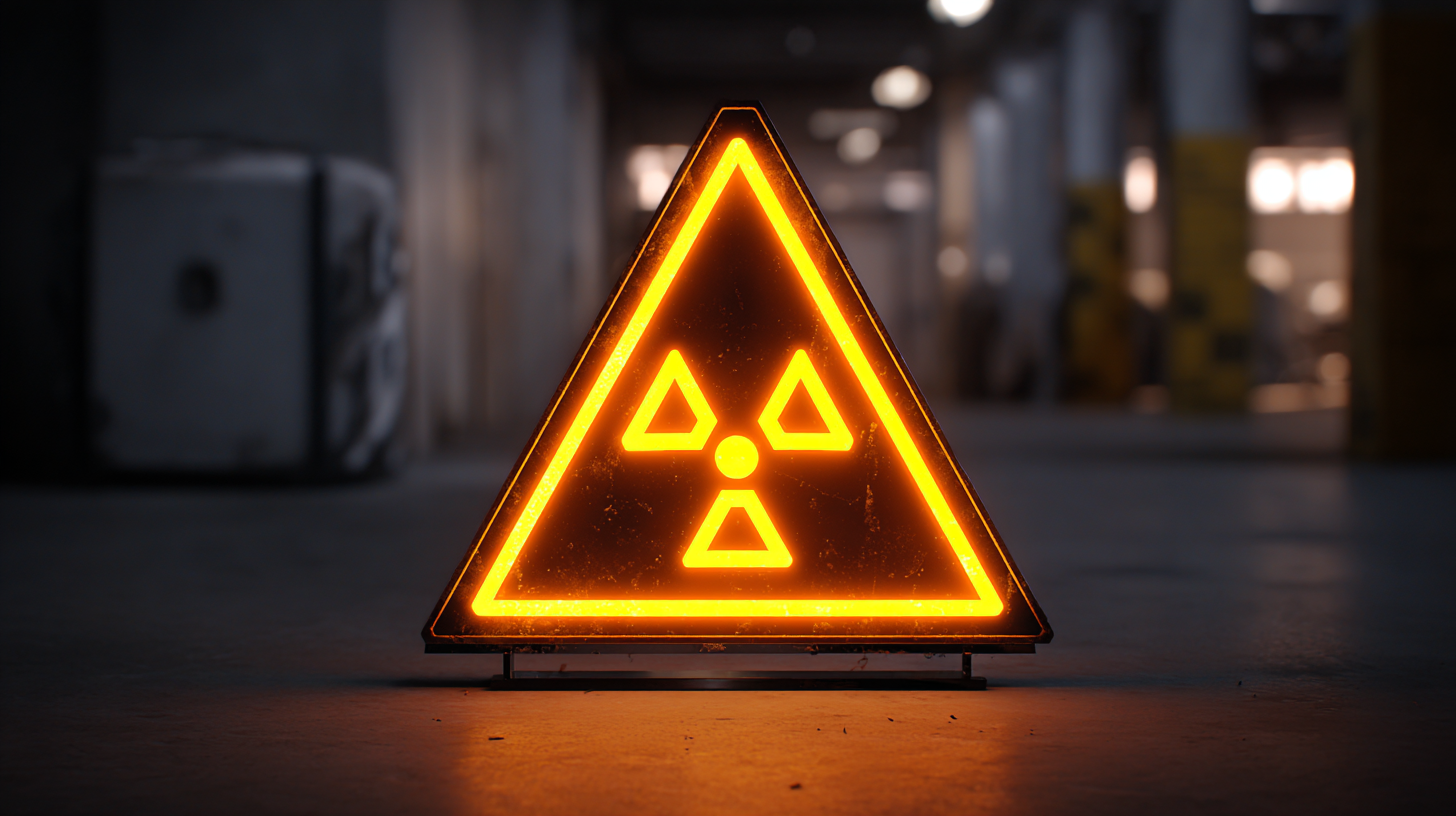
When it comes to industrial safety, you really can't underestimate how important
Warning LED Gas Signs are. I mean, according to the
National Fire Protection Association, over a quarter of fire emergencies are due to
gas-related issues — and honestly, the damage they cause can be pretty devastating.
ZZC Decoration Material Co., Ltd. has been in the game for over 12 years, and they truly understand how crucial
good signage is when it comes to reducing these risks. They’re all about creating smart, effective signs that help keep
everyone safe around gas hazards. Investing in high-quality Warning LED Gas Signs isn’t just
about ticking a box for regulations — it’s a smart move to protect lives and property.
Thanks to state-of-the-art tech and thoughtful design, ZZC’s signs are designed to stand out and get noticed in emergencies,
helping people react quickly and potentially lowering the chances of disaster.
Importance of Gas Warning Signs in Preventing Accidents
Gas warning signs are so important when it comes to preventing accidents, whether you're at home or in an industrial setting. Knowing what these signs mean can really be the difference between staying safe and getting into a serious mess. At ZZC Decoration Material Co., Ltd., we totally get how crucial clear signals are. With over 12 years of experience in manufacturing and engineering, we've put together a bunch of sign solutions that make sure those lifesaving messages get through loud and clear to everyone.
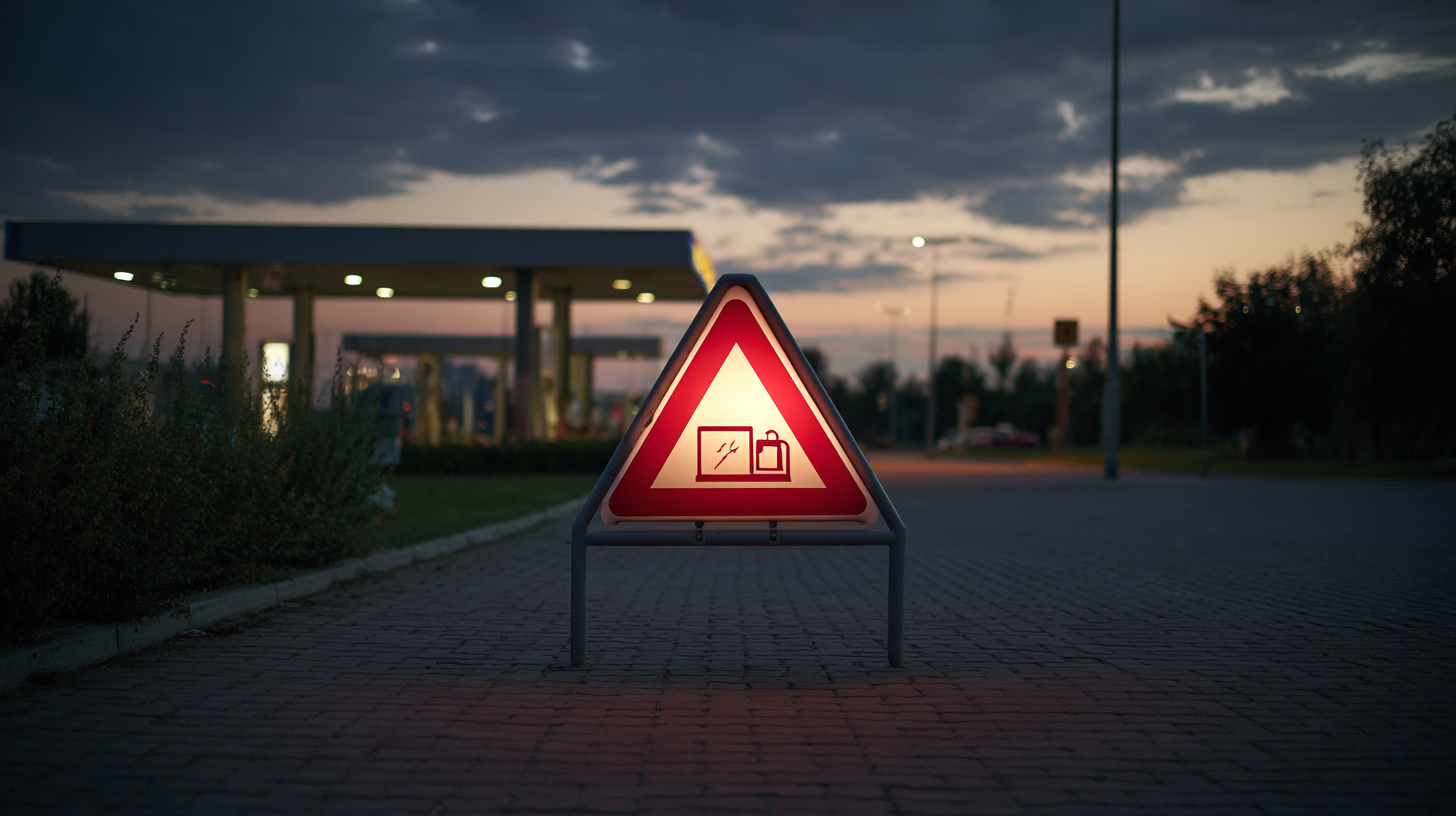
A quick tip—familiarize yourself with the symbols and colors used around you. For example, a yellow sign usually means 'be cautious,' while a red one signals 'danger, right now!' It’s also a good idea to participate in regular training on how to recognize these signs and what to do if you see them. That way, you’ll feel more confident jumping into action if something happens.
And here’s another thing—make sure all your gas warning signs are easy to see and stay in good shape. Regular check-ups can catch signs that are hidden or damaged before it’s too late. Plus, placing them in spots where lots of people pass by makes them even more noticeable, which can really cut down on accidents and keep everyone safer overall.
Key Components of Effective Gas Safety Signage
Getting a good handle on what makes gas safety signs effective is pretty important if you want to prevent accidents and keep people safe in places where hazardous gases are around. First off, making sure the signs are super easy to see is key—think bold colors and big, clear fonts so folks can spot them from across the room or even outside. Using well-known symbols, like warning triangles or gas icons, really helps get the point across quickly—especially for anyone who might not speak the local language fluently.
On top of that, the signs shouldn't be overloaded with info but still need to hit all the important points. They should clearly tell you what kind of gas is there, what dangers it poses, and what steps to take if something goes wrong. Including details like where the gas shut-off valves are or how to find escape routes definitely boosts safety. Plus, it’s a good idea to regularly check and update these signs—worn-out or damaged signs can cause serious confusion in emergencies. By paying attention to these basics, organizations can create a much safer environment and seriously cut down on gas-related mishaps.
Why Understanding Warning Led Gas Signs Can Save Lives - Key Components of Effective Gas Safety Signage
| Sign Type |
Color Code |
Symbol/Message |
Purpose |
Regulation Reference |
| Warning Sign |
Yellow with Black |
Caution: Gas Leak |
Indicates presence of a potential gas leak |
OSHA 1910.145 |
| Prohibition Sign |
Red with White |
No Open Flames |
Prohibits actions that can ignite gas |
ANSI Z535.1 |
| Mandatory Sign |
Blue with White |
Wear Protective Gear |
Indicates required personal protective equipment |
OSHA 1910.132 |
| Information Sign |
Green with White |
Gas Shut-Off Location |
Provides information regarding gas emergency procedures |
ISO 3864-1 |
Understanding Different Types of Gas Warning Signs
Gas warning signs are pretty crucial when it comes to keeping folks safe around hazardous gases. Different signs serve different purposes — for example, some tell you there's flammable gas nearby, while others warn you about toxic substances. According to OSHA, if everyone pays attention to these signs, accidents could be cut in half. That just goes to show how important it is to recognize and understand these signs so we can avoid potentially deadly situations.
There are various types of gas warning signs out there. Some indicate that there's an explosive atmosphere, others warn about toxic fumes, and some about combustible dust. Usually, you’ll see red signs for flammable gases — kind of a warning color — and yellow signs for toxic stuff that needs cautious handling. The NFPA points out that in workplaces where gas hazards are a thing, ignoring these warning signs can lead to serious accidents, injuries, or even worse. That’s why it’s super important for workers to get proper training on how to spot and react to these signs. Data even shows that good training can boost safety awareness and cut incident rates by almost 40%. So, knowing your signs really does make a difference!
How to Interpret Warning Levels on Gas Signs
Getting the hang of what those gas warning signs mean is super important if you want to stay safe around potentially risky environments. Usually, these signs use colors to give us a quick heads-up about how dangerous stuff is. For example, the National Fire Protection Association (NFPA) uses a pretty straightforward color code:
blue indicates health hazards,
red warns about flammability issues, and
yellow shows reactivity. Knowing what these colors stand for can make a huge difference—especially for workers or emergency folks who need to figure out the risk level in a flash.
When you're looking at gas signs, here are a couple of tips I’d toss out there: First, get familiar with what each warning level means in your specific workplace. Checking out the local rules or standards, like OSHA guidelines, often helps you react the right way. Second, keep a safety checklist handy—something that reminds you to wear the right PPE, tailored to the hazards these signs point out. And don't forget, regular training sessions really make a difference—they keep everyone sharp on how to read these signs and respond properly.
Honestly, investing in good training and staying aware of what these warning signs mean can seriously cut down on accidents at work. According to the American Society of Safety Professionals (ASSP), workplaces that run frequent safety trainings see up to 75% fewer incidents. So yeah, understanding these warning levels isn’t just about following rules—it can actually save lives.
Training and Awareness: Empowering Individuals for Safety
Getting a good handle on warning LED gas signs is super important for keeping folks safe around gas. These signs are pretty much the first line of defense, giving a clear heads-up about potential dangers that could turn life-threatening if ignored. Of course, just having the signs isn’t enough — training and awareness are key. Teaching people what these signs mean and how to react can make all the difference. When folks understand how to read and respond to these warnings, they’re more likely to take preventive steps, which helps keep accidents at bay and makes the workplace way safer.
Over here at ZZC Decoration Material Co., Ltd., we really understand how vital good signage is for safety. With more than 12 years under our belt in manufacturing and engineering tailored sign solutions, we focus on creating warning LED gas signs that aren’t just sturdy but also really easy to see. We’re committed to safety — that’s why we offer full-service manufacturing, so we can customize our signs to fit exactly what our clients need, no matter where they are in the world. We believe that raising awareness through effective signage is a big part of making any environment safer, and that’s a mission close to our hearts.
Real-life Examples: Success Stories in Gas Safety Compliance
Getting the hang of gas warning signs is super important if you want to stay safe around places where gas is stored or used. There are plenty of real-world stories that show just how crucial it is to pay attention to those signals—because, honestly, catching a warning early can totally prevent a disaster.
Take this one example: a busy commercial kitchen where the staff was trained to spot the signs of a gas leak. One day, they smelled gas and noticed a warning light about equipment malfunctioning. Instead of ignoring it, they quickly evacuated everyone and called emergency services. That fast action likely prevented a huge explosion that could’ve hurt a lot of people.
And it’s not just in kitchens—homes have their own stories, too. For example, a family was alerted by a notice about their boiler acting up, with a clear warning sign of a gas leak. Because they knew what to look out for and didn’t hesitate, they called in a licensed technician who fixed things right away. Thanks to their awareness and quick thinking, they managed to keep themselves safe and protected their neighbors as well.
These stories really drive home how understanding gas safety signs and acting fast can make all the difference in avoiding dangerous situations. It’s all about staying vigilant and knowing when to respond—literally could save lives.
Optimizing Fueling Experience: Unveiling the Benefits of Heshun Energy Gas Station
At Heshun Energy Gas Station, the commitment to optimizing the fueling experience is reflected in its innovative design and cultural resonance. Located on Mulian West Road in Tianxin District, China, the gas station encapsulates the charm of Hunan with a carefully curated color palette of off-white, light yellow, and Chinese red. This vibrant combination not only enhances the aesthetic appeal but also symbolizes the energy and spirit inherent in Hunan's rich culture.
Central to the design is the iconic hibiscus flower, which serves as the brand's visual emblem. This bloom, celebrated as a sign of Hunan's cultural heritage, is artistically integrated into the station's signage and architectural elements. From eaves and column wrappings to the aluminum buckle ceiling, the hibiscus motif radiates warmth and approachability, inviting travelers to experience the hospitality of Hunan from the moment they arrive. Furthermore, by intertwining local culture with modern fuel service, Heshun Energy creates a unique platform that enriches the fueling experience and fosters a deeper connection with its community.
FAQS
: Gas warning signs are indicators used to communicate the presence of hazardous gases in an environment. They are important because they help reduce the risk of accidents by up to 50% according to OSHA, thus preventing potentially life-threatening situations.
The colors on gas warning signs indicate various levels of hazard: blue indicates health risks, red signifies flammability, and yellow denotes reactivity. Understanding these colors helps workers and emergency responders assess risk levels effectively.
Training can significantly enhance safety awareness and reduce incident rates. Data suggests that effective training programs can improve safety awareness and cut incident rates by nearly 40%, while workplaces with regular safety training experience up to 75% fewer incidents.
If you see a gas warning sign, you should familiarize yourself with its meaning and take appropriate action, such as alerting others, evacuating the area, or using personal protective equipment (PPE). It's crucial to follow your organization's safety protocols.
One example is from a commercial kitchen where staff trained to recognize gas warning signs evacuated the premises and alerted emergency services upon detecting a gas odor and malfunctioning equipment. Their quick response prevented a potential explosion.
Understanding and following local regulations, such as those set by OSHA, enhances the ability to respond appropriately to hazards indicated by gas warning signs, thereby improving overall safety in the workplace.
Regular training ensures that all personnel are updated on how to interpret and respond to gas warning signs, which can effectively prevent accidents and save lives in case of gas-related emergencies.
The specific PPE required may vary based on the hazards identified by gas warning signs. It's important to maintain a safety checklist that includes PPE suited to those specific hazards.
Recognizing warning signs of a gas leak is critical because it allows for timely action to evacuate the area and alert emergency services, thus preventing potential disasters and ensuring the safety of individuals.
Conclusion
You know, understanding the warning signs related to gas isn’t just some technical detail — it's actually a life-saver. The article titled "Why Understanding Warning Led Gas Signs Can Save Lives" really drives home how crucial good gas safety signs are. These signs aren’t just for show; they pack important info that can make all the difference when you're in a potentially dangerous environment. When you get to know the different kinds of gas warning signs and how to read them, you’re basically arming yourself to make smarter, safer choices.
And here’s the thing: training and awareness are just as vital. When people know what to look out for and how to react, it can really prevent accidents before they happen. The article even shares some real-world stories — proof that following proper safety protocols actually works. As a company that specializes in making signs, ZZC Decoration Material Co., Ltd. takes this seriously. Their high-quality warning LED gas signs aren’t just about looks — they’re a key part of keeping everyone safe and avoiding mishaps in all kinds of places.