Leave Your Message
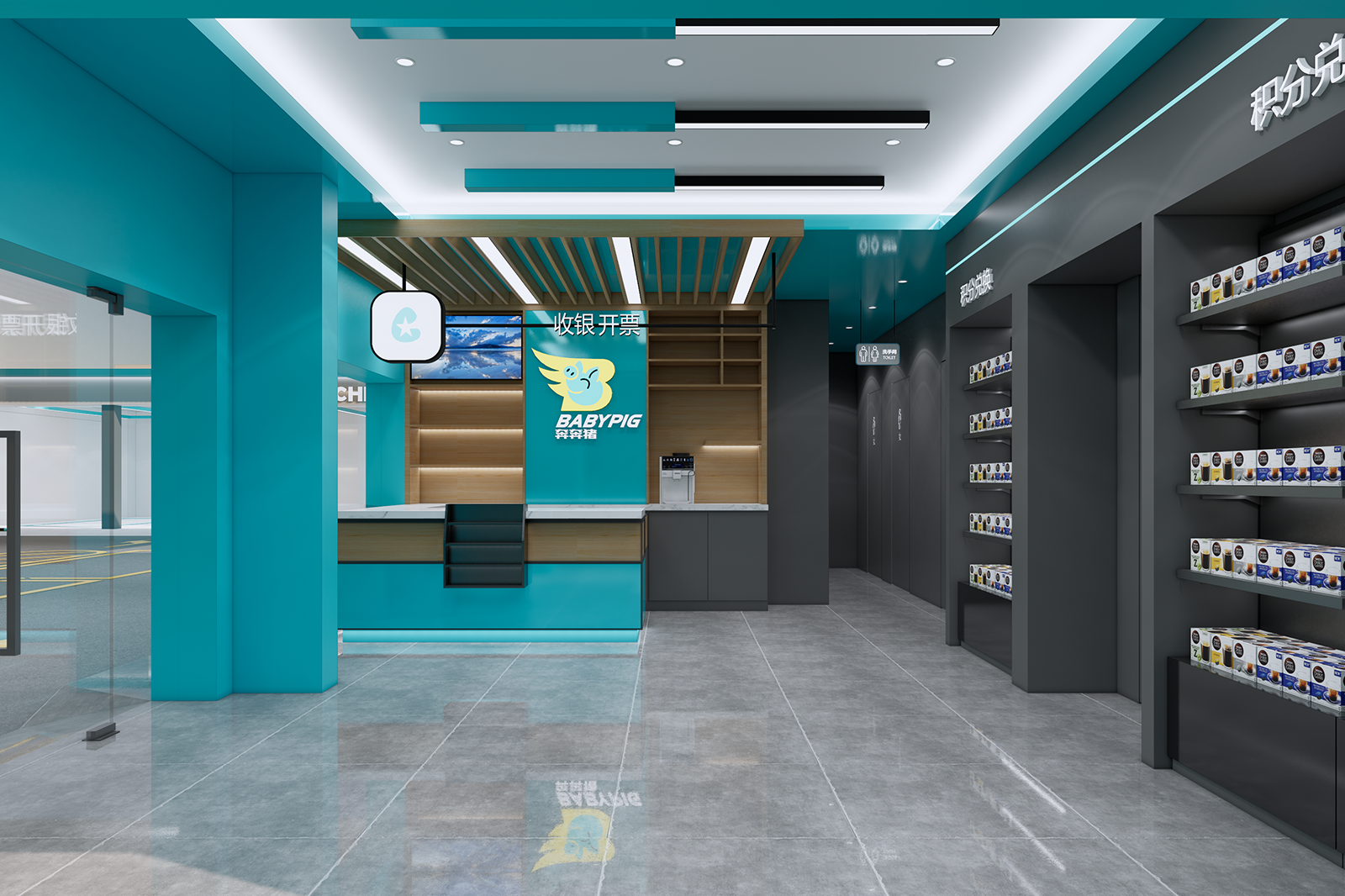
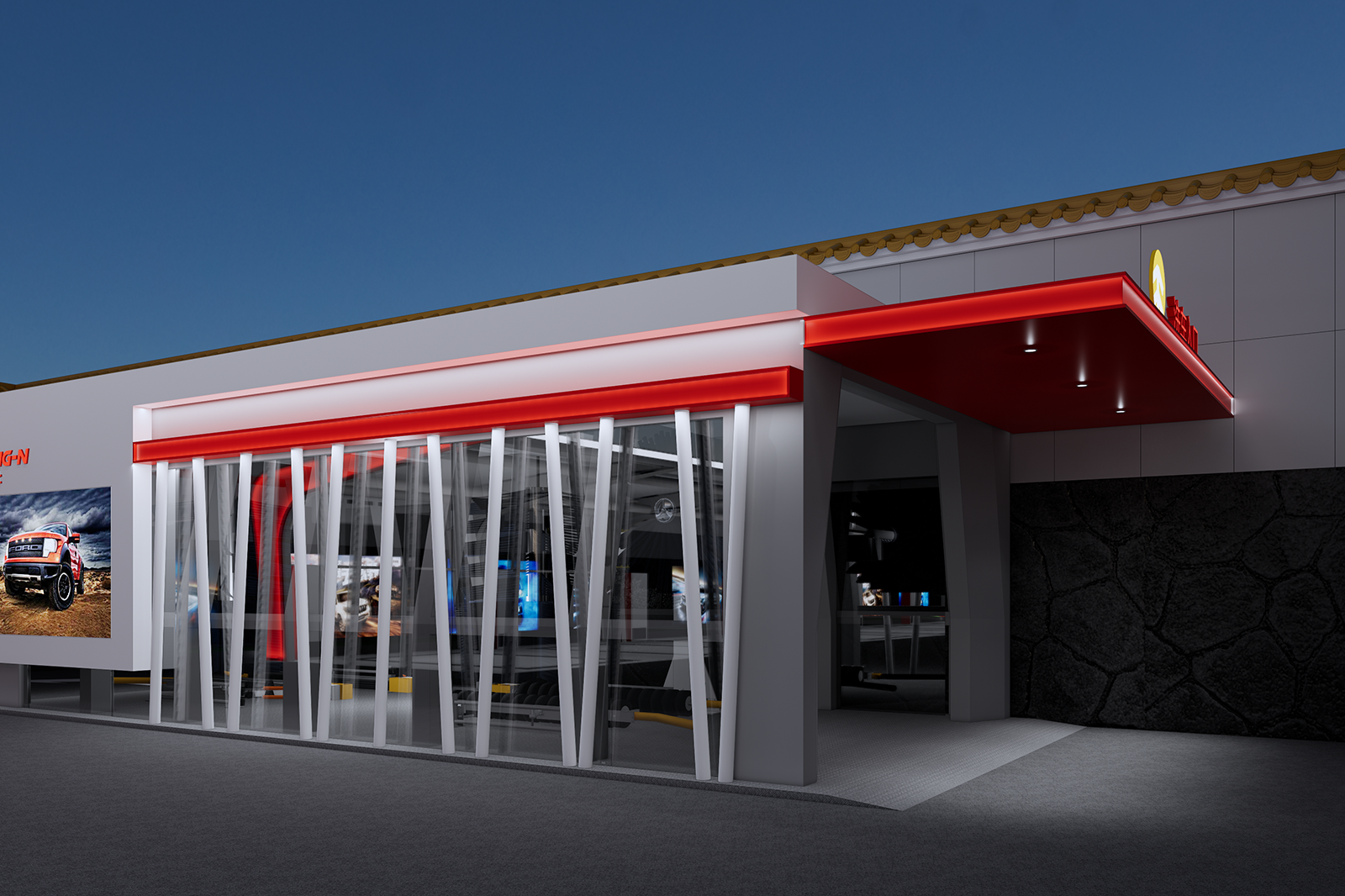
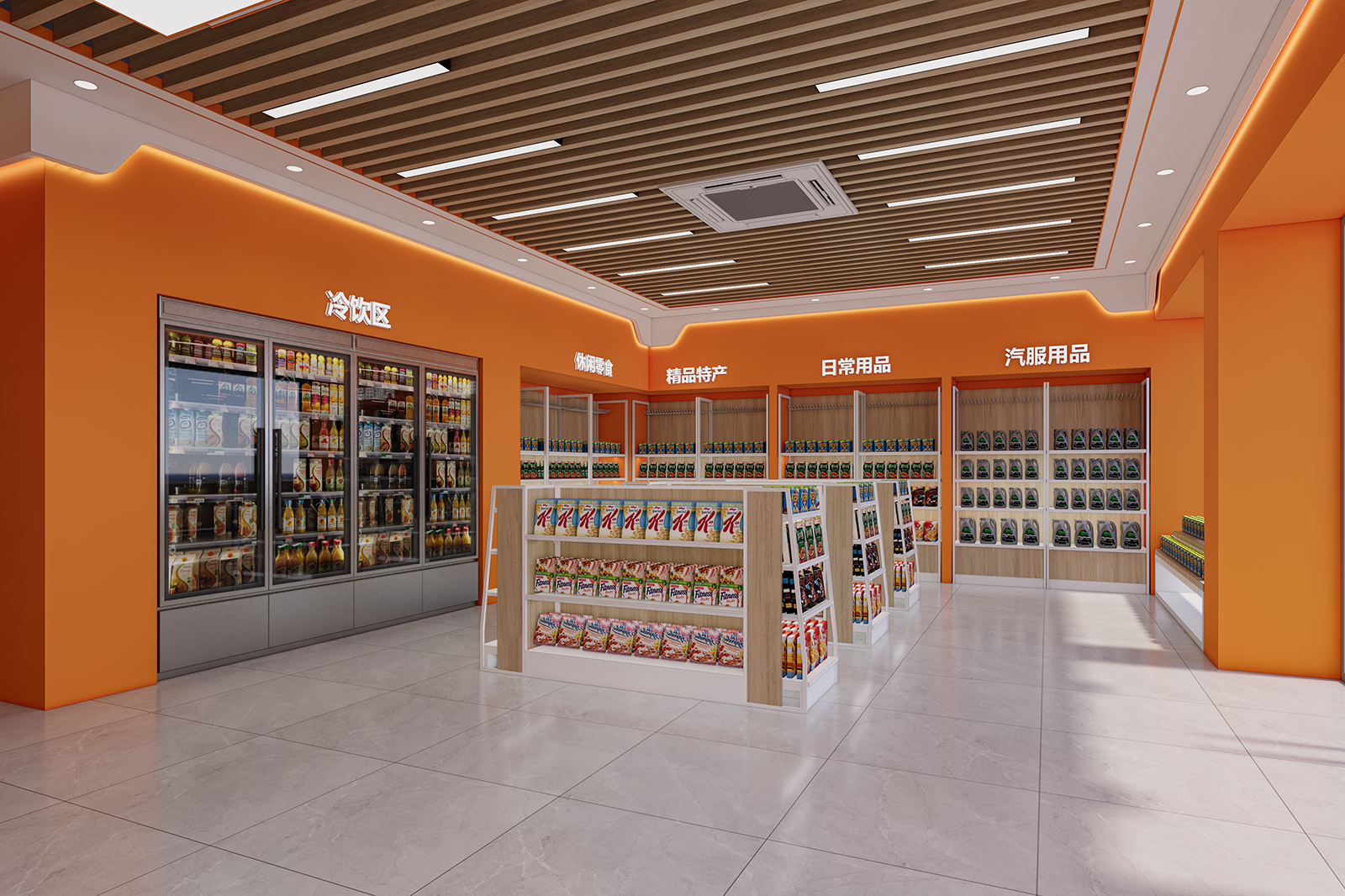
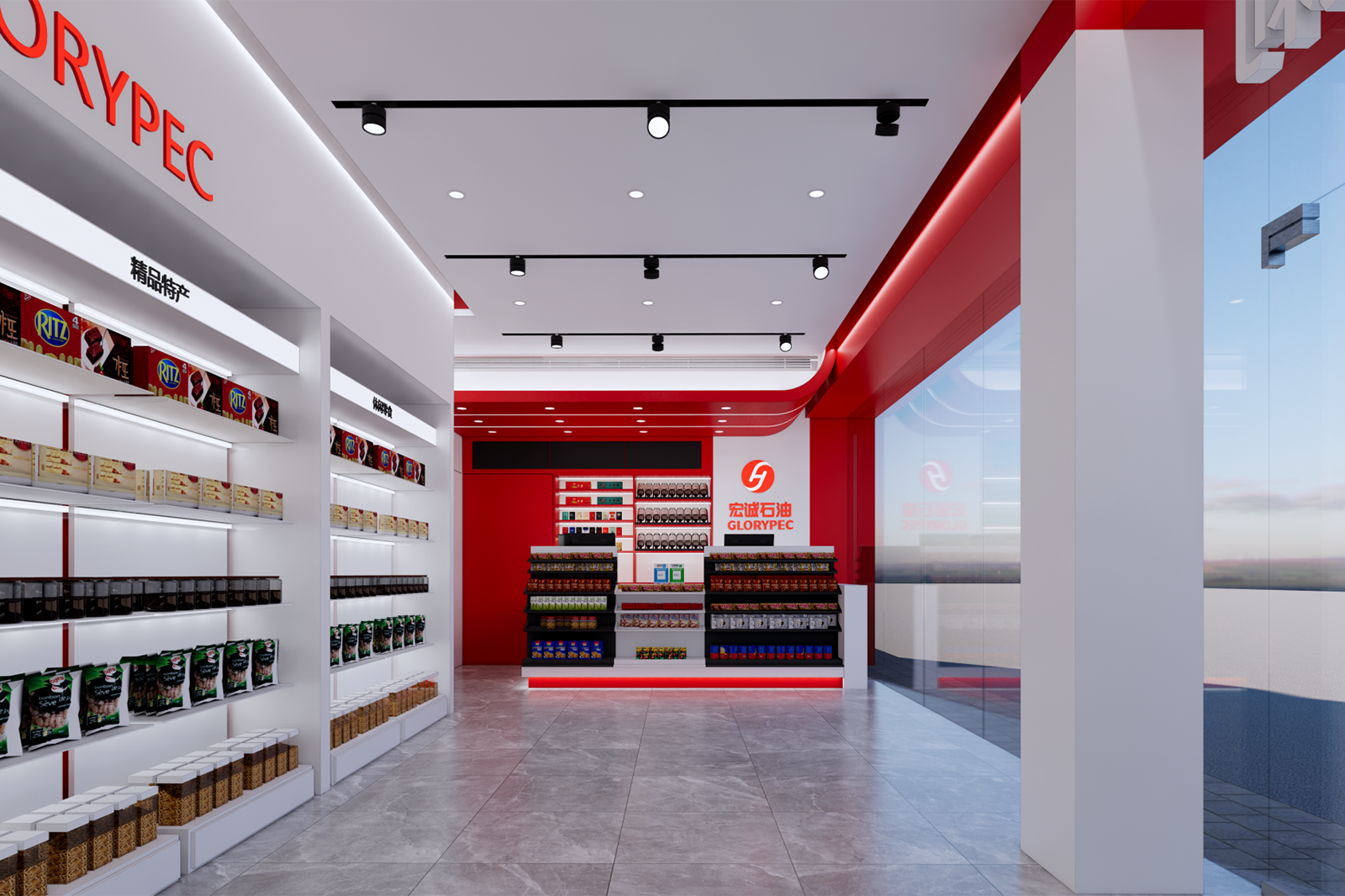
Nagoya, the capital of Aichi Prefecture, stands as the epicentre of Japan's automotive and manufacturing prowess. As home to global industrial giants, the Chubu region demands infrastructure that matches its forward-thinking technological standard. The retail fuel sector in Nagoya is undergoing a massive paradigm shift. Traditional petrol stations are transitioning into multi-energy hubs, offering not only gasoline but also electric vehicle (EV) fast charging, hydrogen fuel cells, and automated convenience stores (C-stores).
In this high-density urban environment, fuel station signs act as critical visual anchors. They serve a dual purpose: ensuring maximum daytime and nighttime visibility along busy transport corridors like the Tomei Expressway and Nagoya Expressway, while adhering to strict local municipal landscape regulations. High-brightness LED price displays (MIDs), illuminated canopy fascias, and smart directional signage are essential components for modern stations trying to capture market share in this highly competitive landscape.
Signage in Japan must comply with local Outdoor Advertisement Regulations, which dictate height limits, color saturation, and wind-load resistance. ZZC designs signs specifically engineered to withstand typhoons and seismic activities common in the Chubu region, ensuring structural integrity and longevity.
As the automotive capital, Nagoya is leading the adoption of hybrid and electric vehicles. Consequently, fuel station sign factories are redesigning standard pylons to integrate dynamic electronic display panels that show real-time fuel prices alongside EV charging bay availability and pricing. This integration of smart IoT systems requires advanced engineering, precise thermal management for LED panels, and robust weatherproof enclosures. ZZC is at the forefront of this evolution, delivering signs that seamlessly interface with station management software.

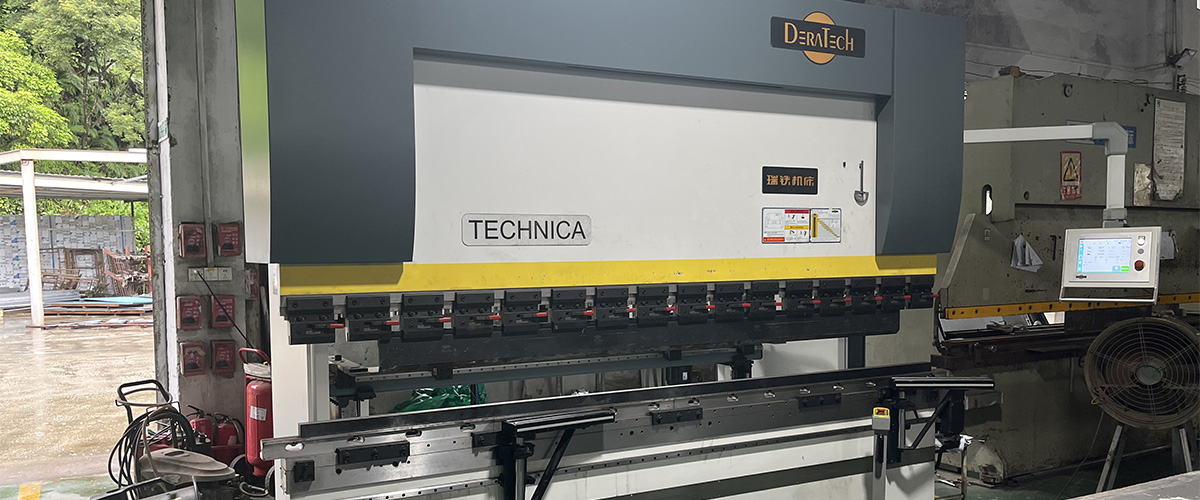
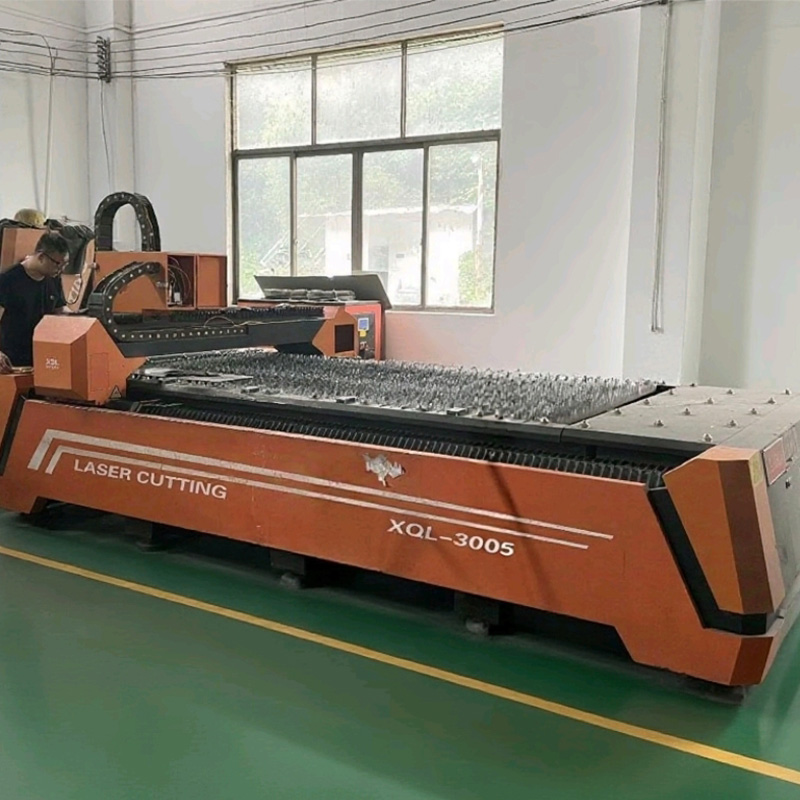
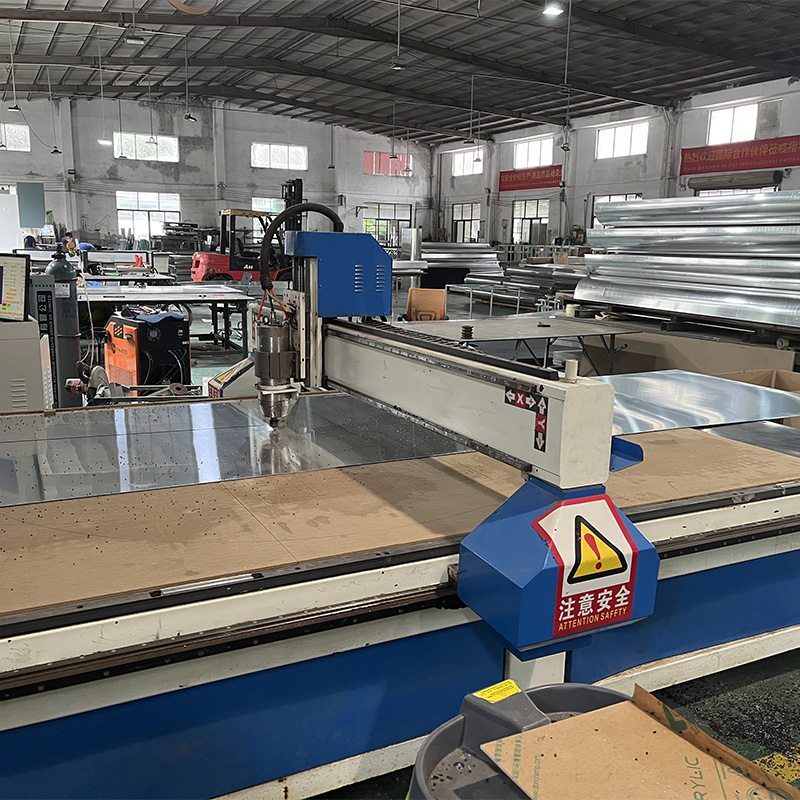
Our engineering and manufacturing capabilities allow us to serve demanding industrial markets like Japan. By combining state-of-the-art sheet metal production, vacuum forming, precision LED assembly, and rigorous quality testing, we ensure that every fuel station sign leaving our facility is built to endure decades of exposure.
Years Industry Experience
Factory Area (㎡)
Cooperative Customers
Team Members
The layout of gas stations in Nagoya varies significantly between dense urban centers and sprawling suburban districts. Each environment presents distinct challenges for signage design and manufacturing:
In central Nagoya, land is premium, and gas stations are often compact, sometimes featuring overhead fueling hoses rather than ground-standing dispensers. For these sites, space-saving pylon signs with high-luminosity LEDs are critical. These signs must be visible from elevated expressways, requiring precise angle calculations and anti-glare coatings to ensure drivers can read prices safely at high speeds without causing light pollution in nearby residential high-rises.
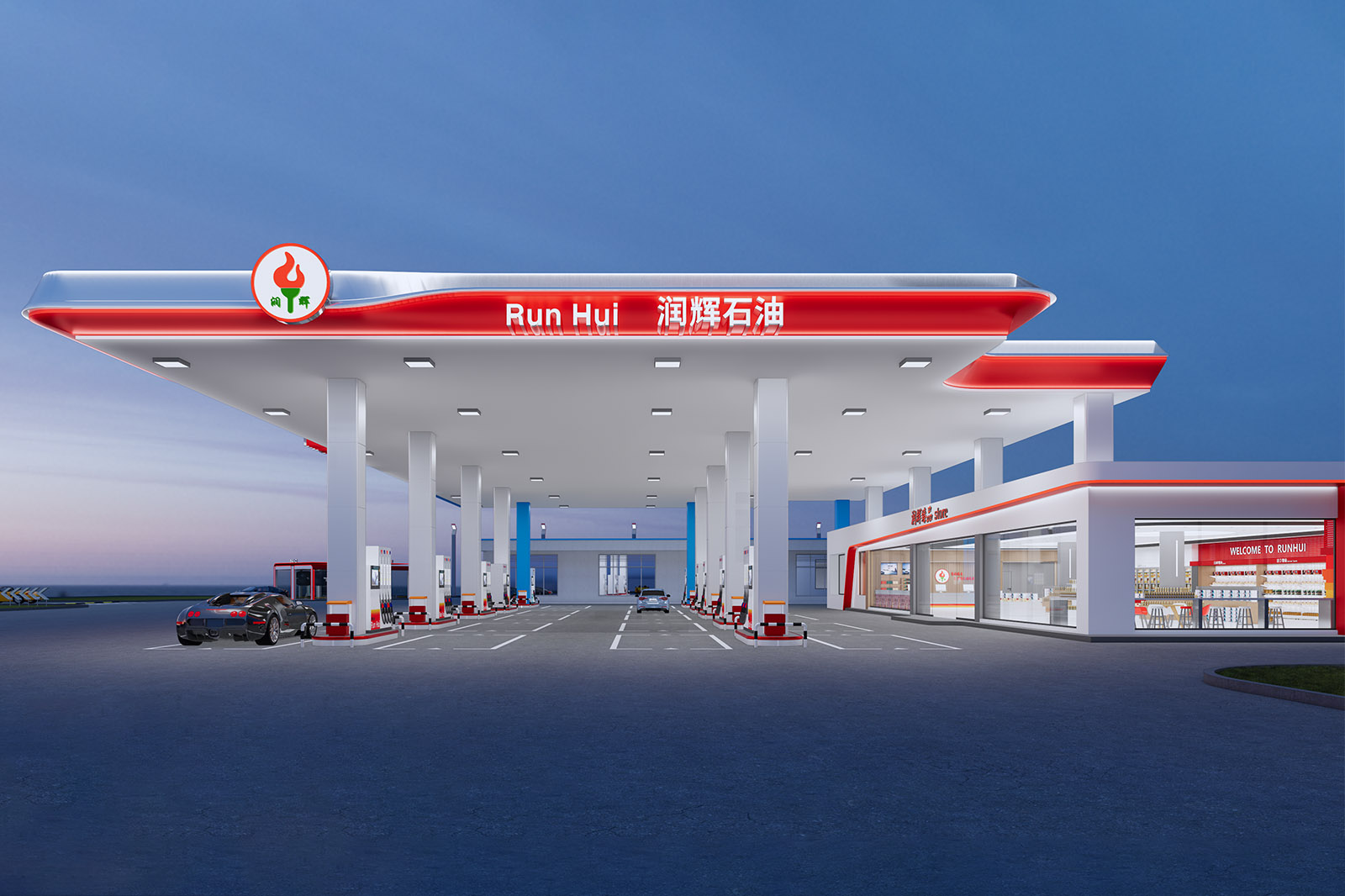
Along major provincial routes outside the city center, stations are expanding into full-service rest stops. Here, signs must coordinate multiple services: traditional petroleum, hydrogen dispensers, EV charging docks, automated car wash systems, and 24-hour convenience stores. ZZC specializes in creating unified visual identity (VI) systems where the main pylon, canopy fascia, directional signs, and C-store entrance signs work in harmony to build brand trust and attract customers.
Being close to Ise Bay, Nagoya's coastal winds carry corrosive salt spray. Fuel station signs installed in these areas require marine-grade aluminum alloys, specialized anti-corrosion powder coatings, and IP67-rated waterproof LED modules. ZZC's manufacturing process utilizes advanced surface treatments that prevent oxidation and fading from UV exposure, ensuring the signs maintain their premium look for years.
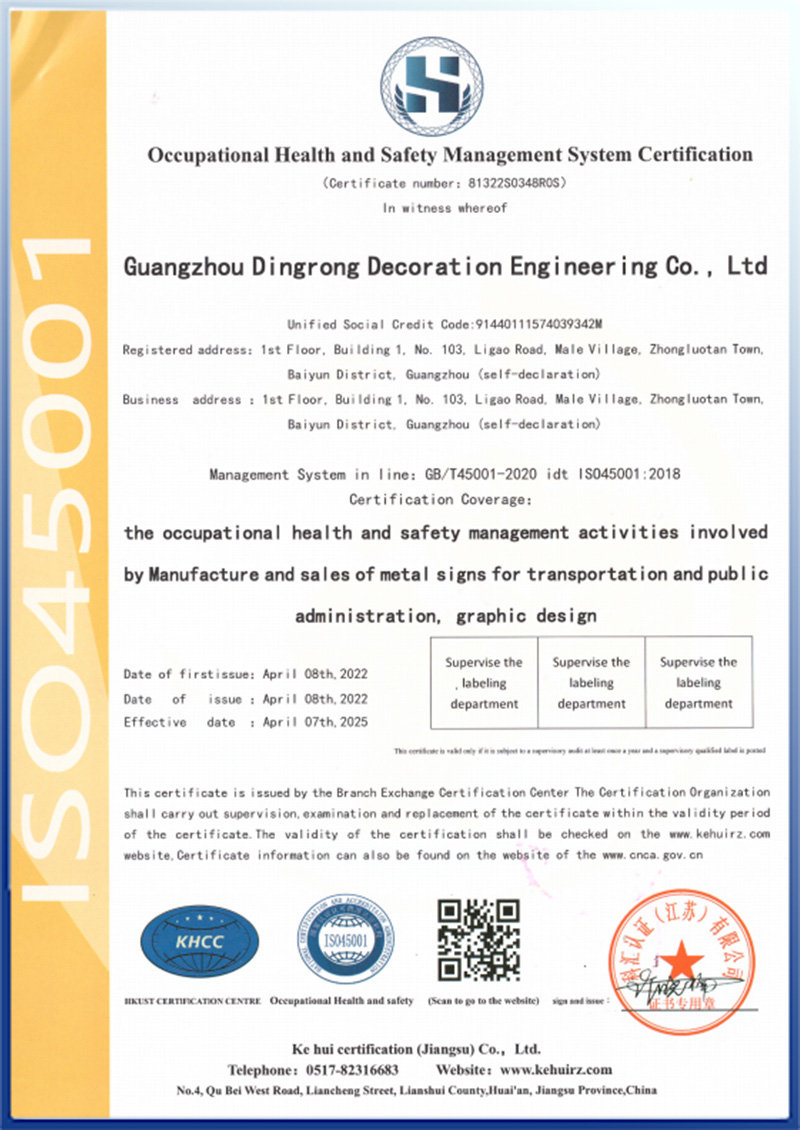
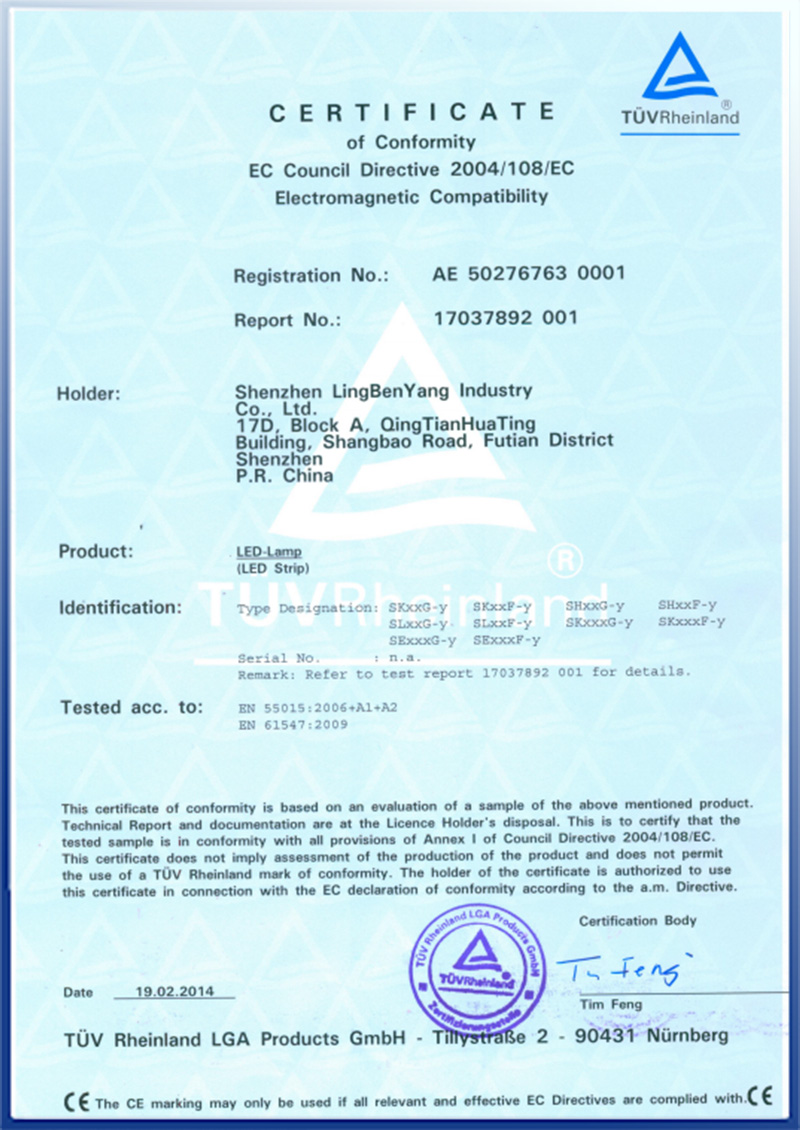
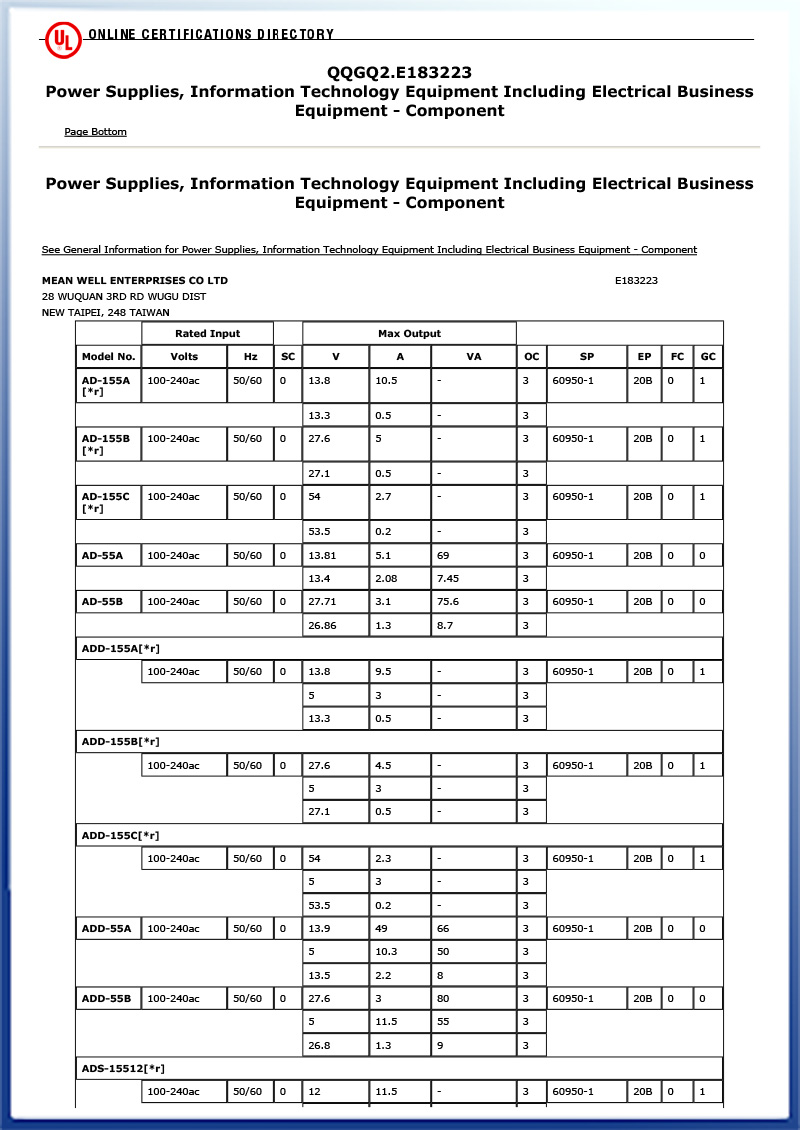
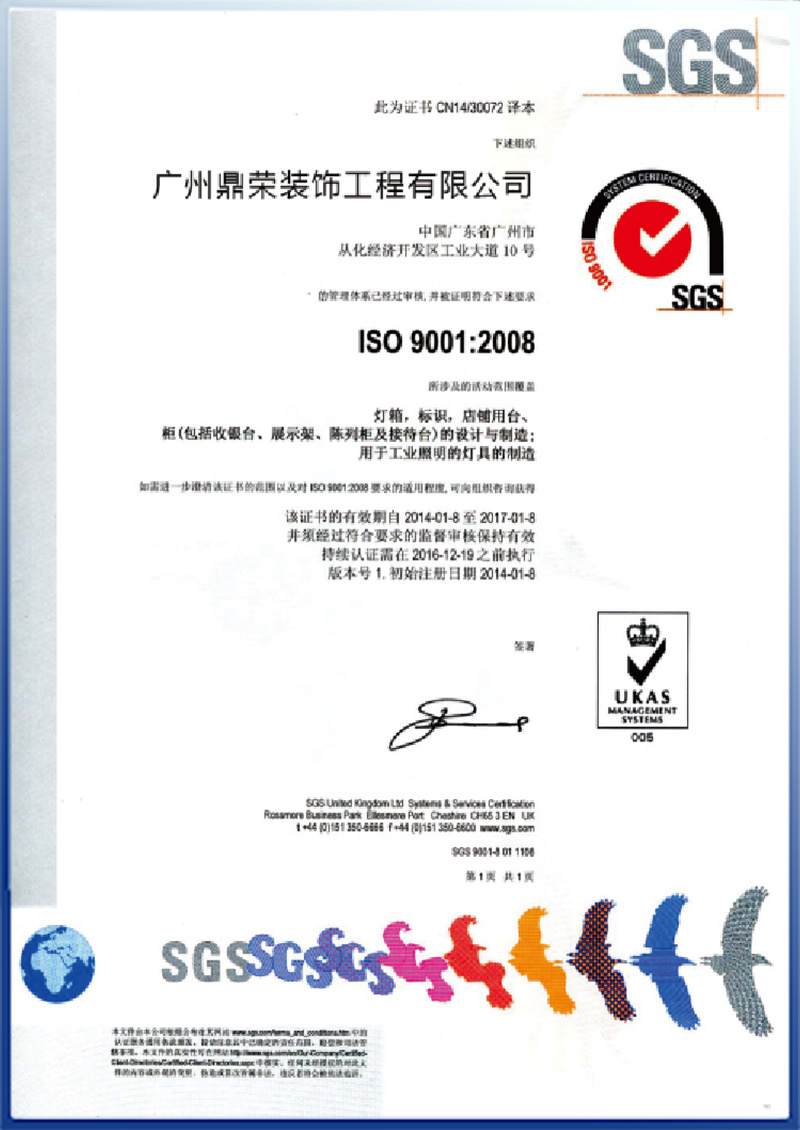
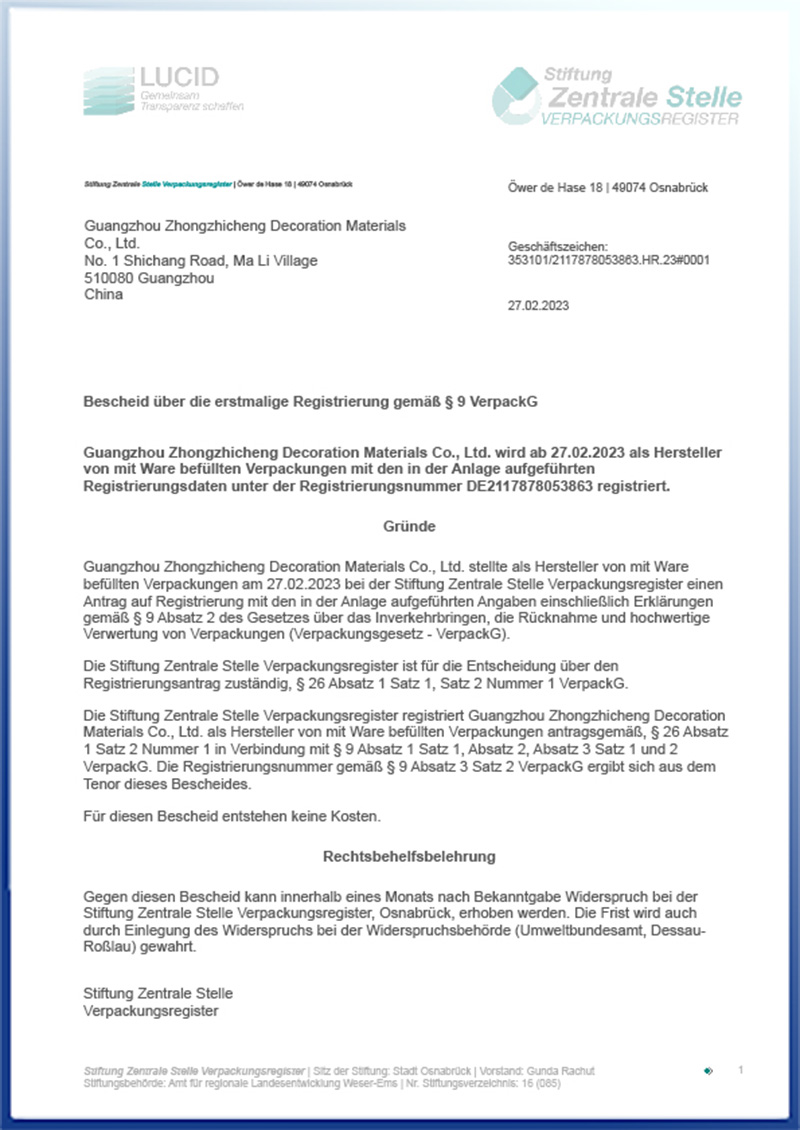
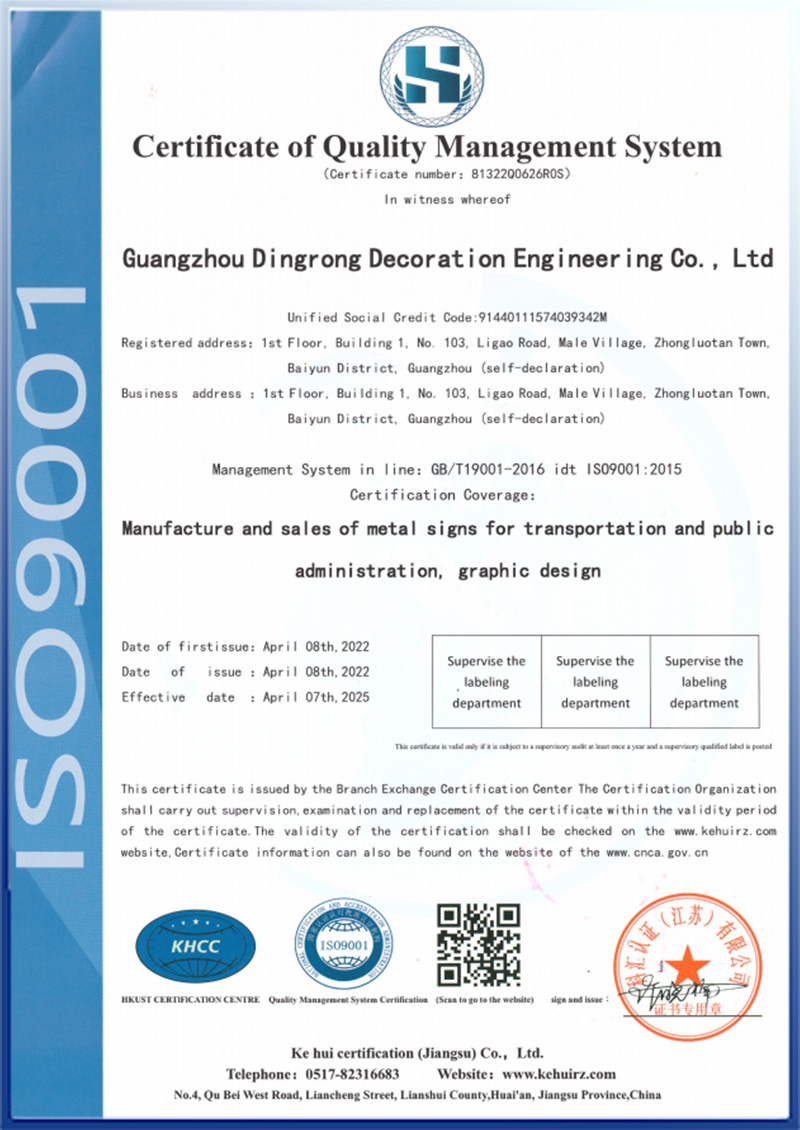
Our commitment to quality and innovation is reflected in our certifications:
SGS International Certification.
ISO 9001, ISO 9000 (Quality Management).
ISO 14001 (Environmental Management).
ISO 45001 (Occupational Health and Safety).
We adhere to international production standards and hold triple-system certifications for quality, environment, and occupational health.

Creative and strategic branding solutions tailored to match local architectural guidelines.

In-house manufacturing with state-of-the-art technology and high-grade materials.

Efficient global distribution and seamless on-site implementation across the Nagoya market.

Reliable support and hardware warranties to ensure long-term performance and peace of mind.
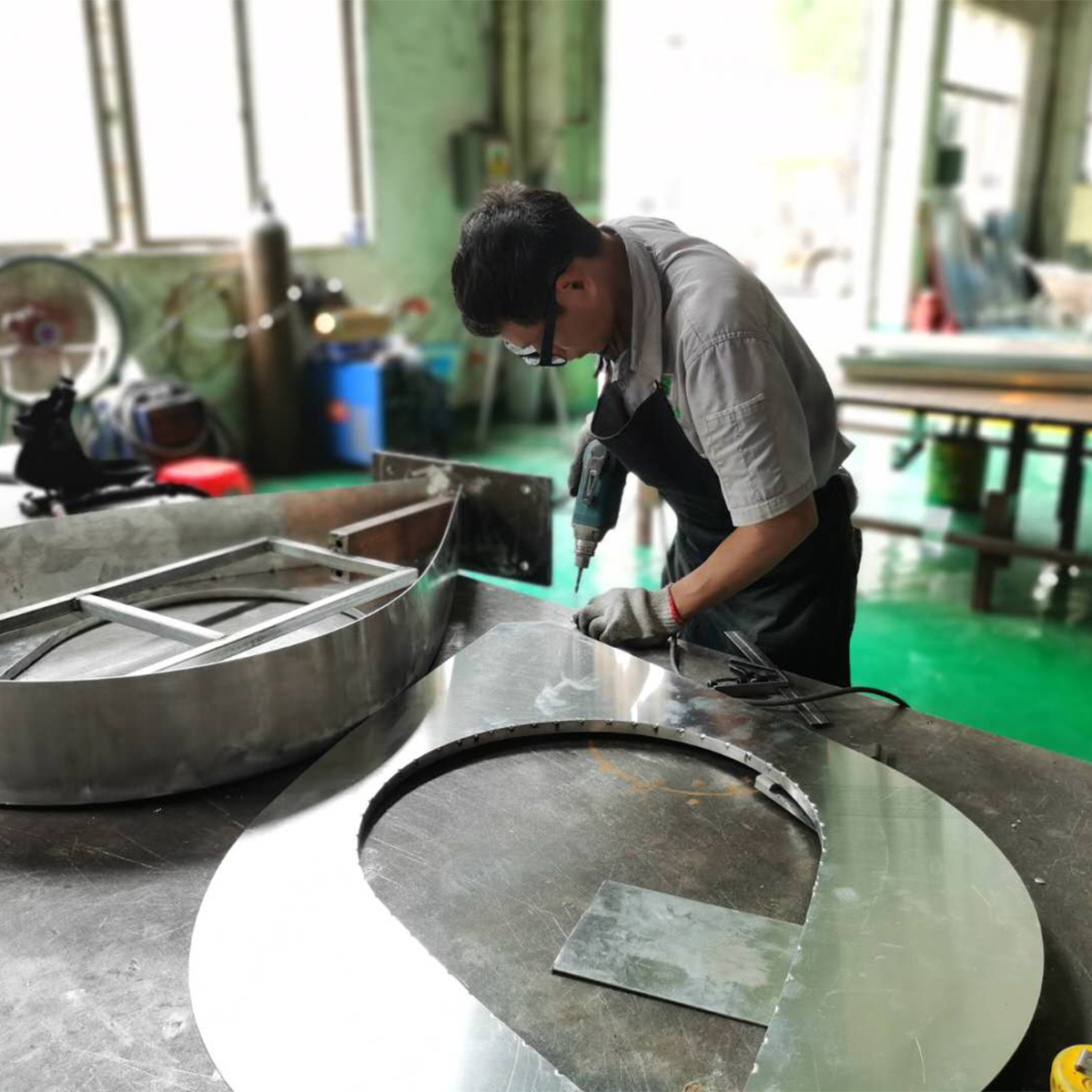
To successfully serve the Nagoya market, sign manufacturers must implement rigorous quality control. Japanese clients are known for their meticulous attention to detail, expecting flawless welds, uniform illumination, and precise color matching to corporate guidelines. ZZC addresses these high expectations by utilizing automated CNC cutting, robotic welding, and dust-free painting booths. Every element, from the acrylic faces of vacuum-formed logos to the internal steel support structures, undergoes strict inspection.
To guarantee zero electrical failures upon delivery, ZZC subjects all LED modules, power drivers, and control systems to a continuous 48-hour 100% full-load aging test. This eliminates early-stage electronic component failures before shipping.
The choice of materials determines how well a sign ages. ZZC utilizes UV-stabilized polycarbonate and high-grade acrylic sheets that prevent yellowing under intense sunlight. For structural elements, hot-dip galvanized steel is combined with aluminum cladding to reduce total weight while maintaining high wind-load ratings. This is particularly important for high-profile pylon signs that must survive seasonal typhoons in Japan.
Factory Showcase
All electronic products undergo rigorous testing, including CE, UL, and RoHS certifications, and are subjected to a 48-hour 100% full-load aging test before shipment. We offer a 2-year warranty on all products, ensuring durability and customer satisfaction.